Heads up: This post contains affiliate links. As an Amazon Associate I earn from qualifying purchases, at no extra cost to you. Learn more
Specs are compiled from manufacturer listings and verified buyer reviews and can change over time — please confirm the key details on the product page before buying.
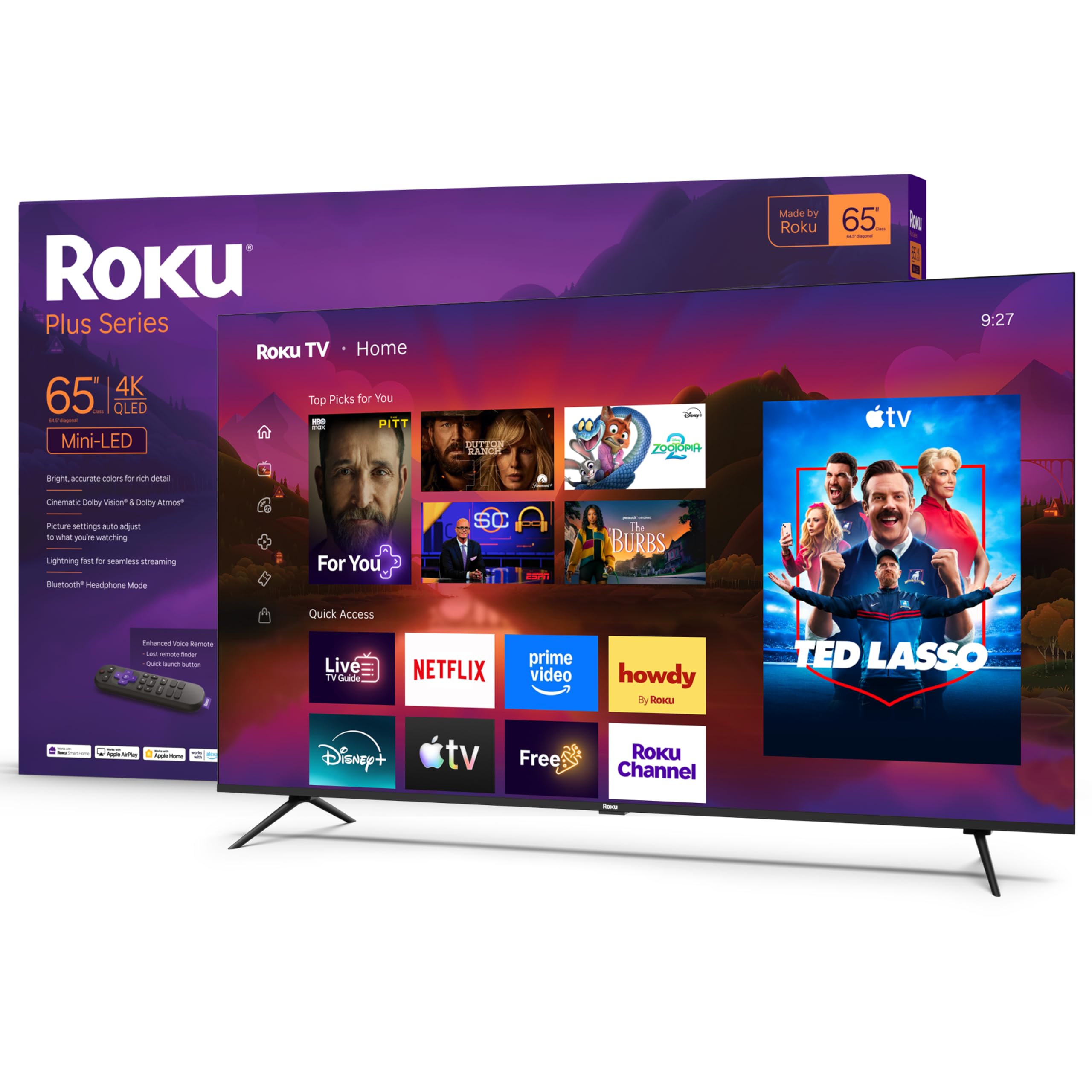
The hardest part of buying a 65-inch TV isn’t picking a brand — it’s knowing which screens will still look good when the afternoon sun hits the window behind your couch. Most of the picks below are Mini-LED sets that push bright highlights and control reflections, plus a few OLEDs for people who watch in a dark room and want deep blacks. The top of the list is the Roku Plus Series, a 4K QLED Mini-LED set that reviewers describe as crisp, vivid, and genuinely good value for the money.
This guide is built by comparing the manufacturers’ published specifications and the patterns across verified customer reviews, so you get each pick’s real strengths and trade-offs instead of marketing spin.
I’ve grouped the options by what they actually do well — gaming speed, bright-room glare, dark-room contrast — so you can match a set to your room rather than guess. Read on for the best 64 inch tv.
Top Picks

How To Choose The Best 64 Inch TV
Picture quality is where almost every buyer starts, and it’s the right instinct — but the spec that actually decides whether you’re happy six months in is brightness matched to your room. A screen that looks flat in a showroom with dimmed lights can look washed out in a sunny living room, and a super-bright panel can feel harsh in a bedroom you only watch after dark.
Backlight type: Mini-LED versus OLED
Mini-LED sets use thousands of tiny LED lights behind the panel, split into dimming zones that switch on and off independently. More zones means deeper blacks and less light bleed around bright objects. OLED sets skip the backlight entirely — every pixel lights itself, so blacks go fully dark. OLED usually wins in a dark room; Mini-LED usually wins next to a big window.
Refresh rate and gaming features
Refresh rate is how many times per second the screen redraws — 120Hz or 144Hz keeps a fast-moving ball or a racing game smooth, where 60Hz can smear. VRR (variable refresh rate) syncs the screen to your console’s output so frames don’t tear. If you own a PS5 or Xbox Series X, look for HDMI 2.1 ports, which carry the higher frame rates those consoles can output.
Size, stand, and wall placement
A 65-inch screen is a big piece of furniture, so check the stand’s footprint before you commit. Base widths across these sets run from 13.1 inches up to 49 inches, and that number decides whether the TV fits on your existing console or needs a wall bracket. If you’re wall-mounting, a flush “one wall” design sits nearly flat against the plaster; a deeper stand needs more shelf depth.
Smart platform and voice control
Google TV, Roku TV, Fire TV, and webOS all pull the same major streaming apps — the difference is the home screen you’ll stare at every day. Roku keeps it simple and clutter-free, Google TV leans on personalized recommendations, and Fire TV centers on Alexa+. Check that the platform supports the voice assistant you already use, whether that’s Alexa, Google Assistant, or Siri through AirPlay.
Side-by-Side Comparison
| Model | Best For | Panel Type | Refresh Rate | Smart Platform | Amazon |
|---|---|---|---|---|---|
| Roku 65-Inch Plus Series★ Best Overall | Everyday streaming value | QLED Mini-LED | — | Roku TV | Amazon |
| LG 65-Inch OLED evo G4Dark-Room Pick | Dark-room movie nights | OLED evo | — | webOS | Amazon |
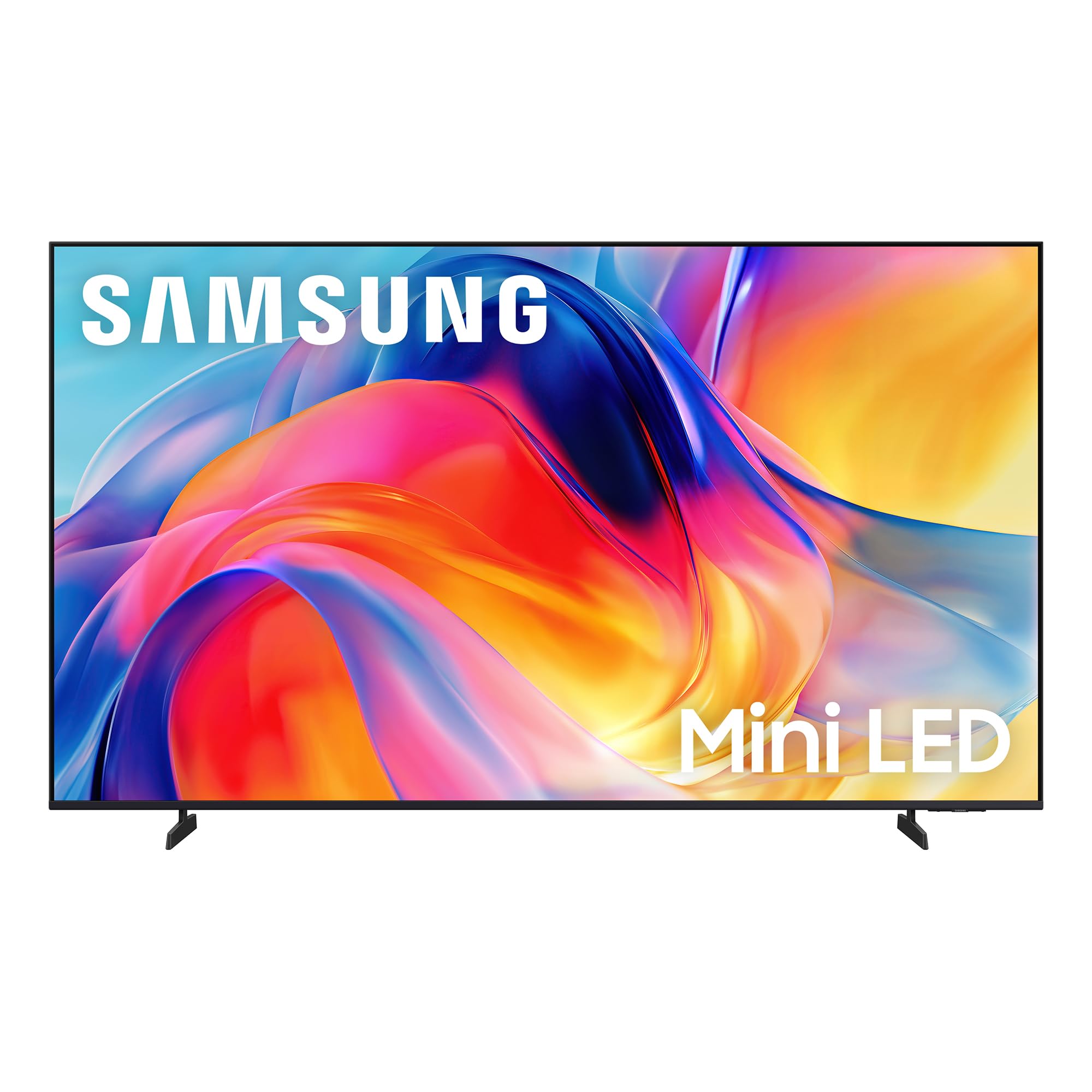
| Samsung 65-Inch M70H SeriesBudget Champion | Low running cost | Mini-LED | 120Hz (DLG) | Tizen | Amazon |
| iFFALCON 65U85 | Console gaming and hotel installs | Mini-LED | 144Hz | Google TV | Amazon |
| TCL 65QM7K | Bright rooms with reflections | QD-Mini LED | 144Hz | Google TV | Amazon |
| Hisense 65U7SG | High-brightness gaming | Mini-LED ULED | 165Hz | Google TV | Amazon |
| Amazon Ember 65″ Mini-LED | Alexa-first homes | QLED Mini-LED | 144Hz gaming mode | Fire TV | Amazon |
| Sony BRAVIA XR8B | PlayStation 5 owners | OLED | — | Google TV | Amazon |
| Samsung OLED S90F | Sports motion and upscaling | OLED | 144Hz | Tizen | Amazon |
| LG OLED evo G5 | Flush wall-mount living rooms | OLED evo | 120Hz | webOS | Amazon |
| Sony BRAVIA 8 OLED | Creator-calibrated movies | OLED | — | Google TV | Amazon |
Detailed Reviews
1. Roku 65-Inch Plus Series Smart TV – 4K QLED Mini-LED TV
Our pick — 4.5+★ from 800+ verified ratings; the strongest balance of quality and price.
A 4K QLED Mini-LED set with Dolby Vision and a 13.1-inch base that fits narrow consoles.
Start with the panel: this is a 4K QLED Mini-LED screen, meaning thousands of tiny LEDs sit behind the picture in a grid (a Mini-LED backlight) and a quantum-dot layer pushes color saturation. In plain terms, bright sports graphics glow and dark movie scenes keep their shadow detail instead of turning grey. Dolby Vision adds scene-by-scene brightness tuning so a night scene doesn’t crush to black.
Compare that to the LG G4’s 19.1-inch base further down, and the Roku is the easier fit for a rental where you can’t drill into the wall.
What wins people over is the picture-and-quality combination, and the value angle lands too — plenty of buyers describe it as a lot of TV for what it costs. Sound gets its own boost from a built-in subwoofer and Dolby Atmos, and Bluetooth Headphone Mode lets you listen without waking the house. The recurring gripe is the app interface and remote — a handful of owners find the smart system clunky and the remote layout takes getting used to. Both are software quirks, not screen problems.
Why it earns the top spot
- QLED Mini-LED panel with Dolby Vision for punchy color and controlled contrast
- 13.1-inch base fits narrower consoles than most 65-inch sets
- Built-in subwoofer plus Dolby Atmos and Bluetooth Headphone Mode
- Voice control works with Roku Voice, Siri, Alexa, or Google Assistant
Where it asks patience
- Roku’s home screen and remote divide owners — some love the simplicity, some want more control
- Annual energy draw of 224 kilowatt hours per 1000 hours sits mid-pack among these sets
- No HDMI 2.1 gaming spec published, so serious console players should look at the iFFALCON or Hisense
Reach for this if: you want the safest all-round 65-inch pick — strong picture, simple setup, and a base that fits normal furniture.
Look elsewhere if: you’re a competitive gamer chasing 4K at 144Hz with HDMI 2.1 ports.
2. LG 65-Inch Class OLED evo G4 Series Smart TV
Over 8 million self-lit pixels that shut off individually, so letterbox bars vanish into the wall.
Every pixel on this panel lights itself — over 8 million self-lit pixels, which is the whole point of OLED. When a scene goes dark, those pixels shut down rather than dimming a backlight, so the letterbox bars around a widescreen film disappear into your wall. LG pairs that with 100% Color Volume and 100% Color Fidelity, which is the maker’s claim for keeping color accurate at both ends of the brightness range.
Brightness Booster Max magnifies each pixel for a brighter image than earlier OLEDs, and the one-wall design hangs with virtually no gap when wall-mounted. That flush look is the reason to consider it over a Mini-LED set — nothing else here sits that tight to plaster. For movies and dark-room viewing, Dolby Vision, Dolby Atmos, and FILMMAKER MODE round it out.
Buyers praise the picture and build quality first, then brightness and color. Dolby Vision HDR (a format that adds extra brightness and color detail to movies) is the standout for cinematic content. Owners also note that reflections stay subdued in a sunny room. The honest trade-off is running cost: annual energy consumption is 322 kilowatt hours per year, far above the Samsung M70H’s 80 kilowatt_hours_per_1000_hours (a 4.0x gap per the source figures). So this is the set that costs more to run. Bluetooth here is version 5.1, a step behind the Samsung M70H’s 5.3.
The real draw: per-pixel contrast and a near-flush wall mount — a dark-room statement set for movie lovers.
Worth knowing: brightness and running cost are the split votes, so treat this as a dark-room specialist rather than a sunlit-living-room workhorse.
Built for: dedicated cinema rooms and wall-mounted setups where a flawless black level is the priority.
Think twice if: your couch faces a wall of windows all day and you want the brightest possible panel.
3. Samsung 65-Inch Class M70H Series, Mini LED, 4K, Smart TV
At 80 kWh per 1000 hours, it draws the least power here while keeping zoned Mini-LED contrast.
A Mini-LED backlight sits behind this panel, split into independently switched zones so bright highlights punch and black areas stay dark. The Mini LED Processor 4K handles the color and clarity work, and Pure Color Spectrum claims one billion true-to-life colors. Motion Xcelerator plus DLG 120Hz smooths fast action — useful when you’re watching a match and don’t want the ball smearing across the turf.
Here’s the number that quietly matters most if you leave the TV on for hours: annual energy consumption is 80 kilowatt_hours_per_1000_hours. Lower draw means a smaller electricity hit for a household that keeps the screen on from breakfast to bedtime.
Picture quality and reliability both earn strong word of mouth, and setup is praised — the simplified wall-mount install gets singled out. Samsung TV Plus adds 2,700+ free streaming options, including 750+ subscription-free channels, so there’s content before you sign up for anything. The honest catch is the remote and the sound: the remote’s layout draws the most frustration of any part of this TV, and audio gets split verdicts — fine for news, thin for a movie soundtrack. A soundbar fixes the second part easily.
Best reason to pick it: the lowest energy draw here — 80 kilowatt_hours_per_1000_hours — paired with real Mini-LED contrast and 2,700+ free channels.
The one to budget for: an outboard soundbar, plus patience with the remote.
Suits: a family room where the TV runs all day and the electricity bill is a real consideration.
Pass if: the remote’s layout and the built-in audio are dealbreakers you won’t fix with a soundbar.
4. iFFALCON 65″ 4K MiniLED Smart TV (65U85)
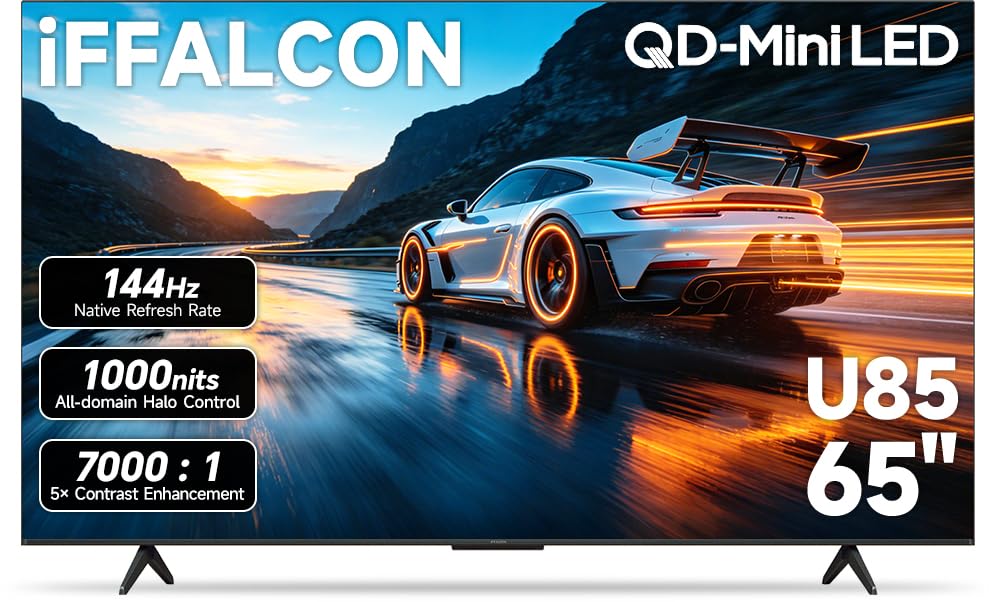
Four HDMI 2.1 ports on a native 144Hz panel — two at 4K/144Hz, two at 4K/60Hz, all plugged in at once.
This is the set for someone whose PS5 or Xbox is the main event. The native 144Hz panel runs Variable Refresh Rate from 4K at 48–144Hz and up to 288Hz, which means the screen redraws in sync with your console so frames don’t tear. FreeSync Premium Pro handles the sync work with low input lag, and Auto Low Latency Mode flips the TV into game mode the moment a console wakes up — no menu diving.
The port count is the practical advantage. Two HDMI 2.1 ports run 4K at 144Hz for next-gen consoles and gaming PCs, and two more handle 4K at 60Hz for streaming boxes or a Blu-ray player. Four HDMI 2.1 ports total means everything stays plugged in permanently. Add a 144Hz panel with up to 1000 nits of HDR luminance, local dimming, and a 7,000:1 contrast ratio, and action scenes stay bright without washing out.
Beyond gaming, this one carries hotel-mode and IP/IR control features that consumer TVs rarely include — lock menus, set default inputs, manage displays remotely. That makes it a genuine candidate for an Airbnb, a fitness studio, or a waiting room. Sound is a 2.1-channel setup with 2×15W tweeters and a 20W woofer, plus Dolby Atmos passthrough and DTS Virtual:X, and eARC on HDMI 4 sends lossless audio to an outboard soundbar. What buyers rave about is the bright, smooth picture with richer colors; the only thing to weigh is that this is an unfamiliar badge to some shoppers, so returning it is the safety net if the panel disappoints.
The gaming case
- Native 144Hz with VRR up to 288Hz and FreeSync Premium Pro
- Four HDMI 2.1 ports — two at 4K/144Hz, two at 4K/60Hz
- Hotel mode, IR blaster, and IP control for rental or commercial use
- 50W 2.1 audio with Dolby Atmos passthrough and DTS Virtual:X
Worth a second look
- Lesser-known brand means fewer long-term owner reports to lean on
- Panel brightness peaks at up to 1000 nits — behind the brightest Mini-LED sets here
- Google TV’s learning curve takes a day if you’re coming from Roku
Made for: console and PC gamers who need multiple HDMI 2.1 inputs and low-lag 144Hz.
Not the first choice if: you want a household name with years of owner history behind it.
5. TCL 65 Inch Class QM7K Series Mini LED QLED 4K HDR
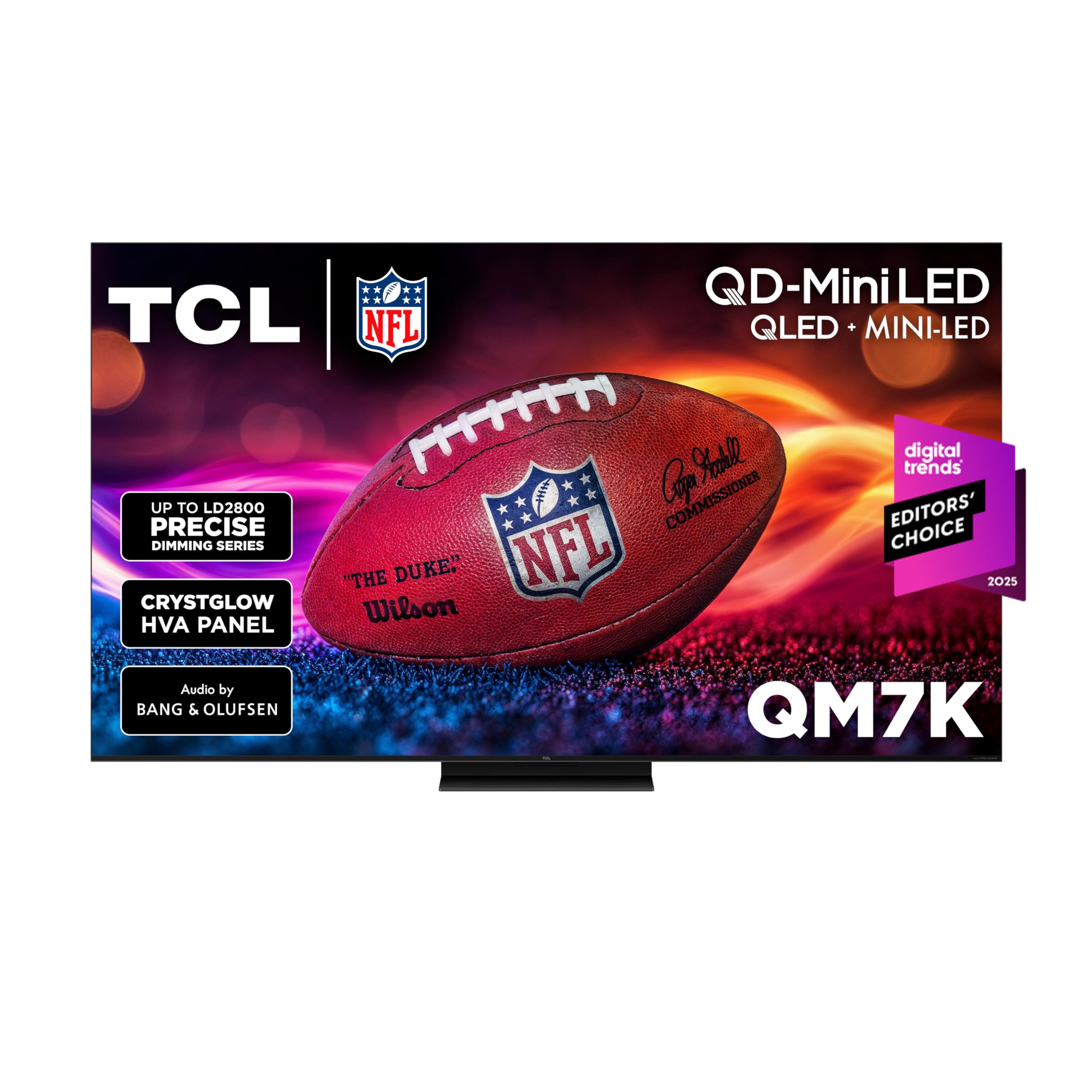
A CrystGlow HVA panel with anti-reflective coating and up to 2500 local dimming zones for rooms you can’t darken.
If a window sits opposite your couch, this is the pick to study. TCL’s CrystGlow HVA panel blocks reflections so image details stay visible, and the anti-reflective screen coating tackles the rest. The QD-Mini LED backlight splits into up to 2500 precisely controlled local dimming zones, which is why dark scenes keep their depth while bright objects stay crisp at the edges.
High HDR brightness is built for exactly this problem — a picture that holds up in virtually any room lighting. The Halo Control System bundles the microchip, micro lens, and dynamic light algorithm that TCL credits for “halo-free” images, meaning less blooming around bright objects against dark backgrounds. Motion covers 144Hz refresh, with 288Hz variable gaming refresh for consoles, and Google TV runs the apps.
Picture quality earns the loudest praise, and the dual subwoofers get their own shout for real thump rather than tinny TV audio. Blacks and colors are on point in both dark and bright rooms, and setup is easy. The genuine caveat is reliability — a portion of the feedback centers on the set failing to power on. That’s a small slice against a large pool of delighted owners, but it’s the one risk worth knowing before you buy, and it’s why the return window matters here more than usual.
What sells it: up to 2500 local dimming zones behind an anti-reflective CrystGlow panel — glare control is the entire pitch.
The trade-off to weigh: power-on failures surface in the feedback, so buy where returns are painless.
Reach for it when: your TV wall faces daylight and reflections have ruined every previous set.
Consider the Samsung M70H instead if: you want the lowest-risk, lowest-draw option and glare isn’t your battle.
6. Hisense 65″ U7 Mini-LED ULED 4K Smart Google TV (65U7SG)
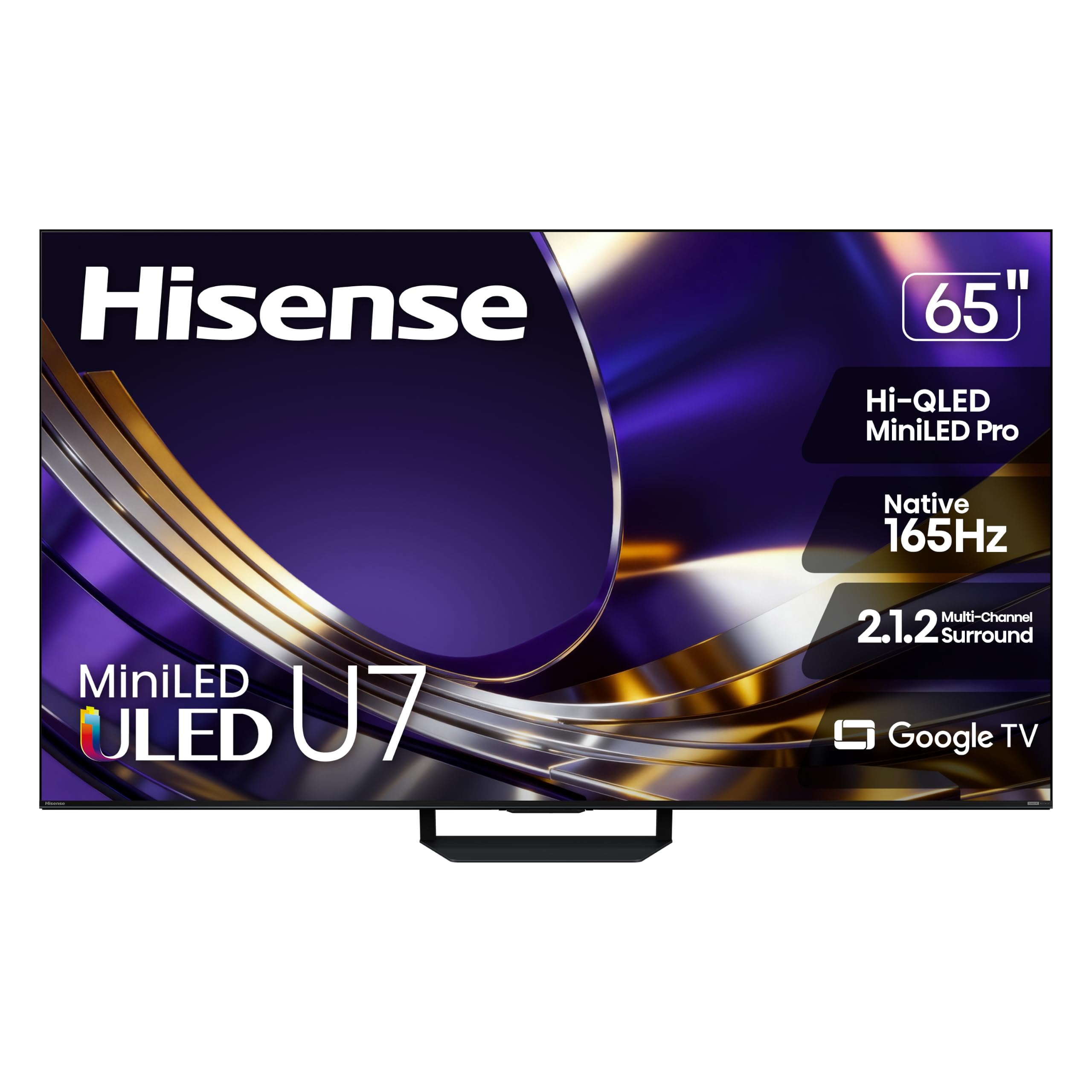
Up to 3000 nits of peak brightness and a native 165Hz panel — the brightest, fastest set in this lineup.
Numbers first, because they’re the story. This Hisense carries up to 3000 local dimming zones and up to 3000 nits of peak brightness, which is the brightest figure in this group by a wide margin. Practically, that means a daytime football game stays punchy with the curtains open, and HDR highlights in a movie gleam instead of clipping. The native 165Hz refresh rate outruns the 144Hz panels above, so fast pans and racing games hold together.
Gamers get the newest wireless connection here: Bluetooth version 5.4, one step ahead of the LG G4’s 5.1 and level with the TCL’s 5.4. That newer standard keeps a paired headset or soundbar connection steadier. The anti-reflection and glare-free layer uses an advanced dual-layer screen treatment, which Hisense says goes beyond single-layer designs. Dolby Vision IQ, Dolby Atmos, IMAX Enhanced, HDR10+, and a 2.1.2-channel audio setup round out the package.
Owners describe it as a beast with phenomenal sound and picture — vivid colors, deep blacks, and brightness that holds up in a bright room. The anti-glare work gets noticed too, and setup is easy. Value lands hard: the comparison drawn most often is OLED-style quality at a fraction of the cost. Hi-QLED Color+ is Pantone Validated, so color accuracy is checked against a known standard rather than just claimed.
Why it’s here: up to 3000 nits peak brightness and 3000 dimming zones — the brightest, most glare-resistant panel in this lineup.
Keep in mind: all that brightness can feel intense in a blacked-out bedroom, where an OLED’s softer light may suit better.
Choose it for: a sun-drenched living room or a gaming setup that needs 165Hz motion and maximum brightness.
Skip the brightness race if: you watch only after dark in a dim room and prefer OLED’s gentler black-level feel.
7. Amazon Ember 65″ Mini-LED Series with Fire TV
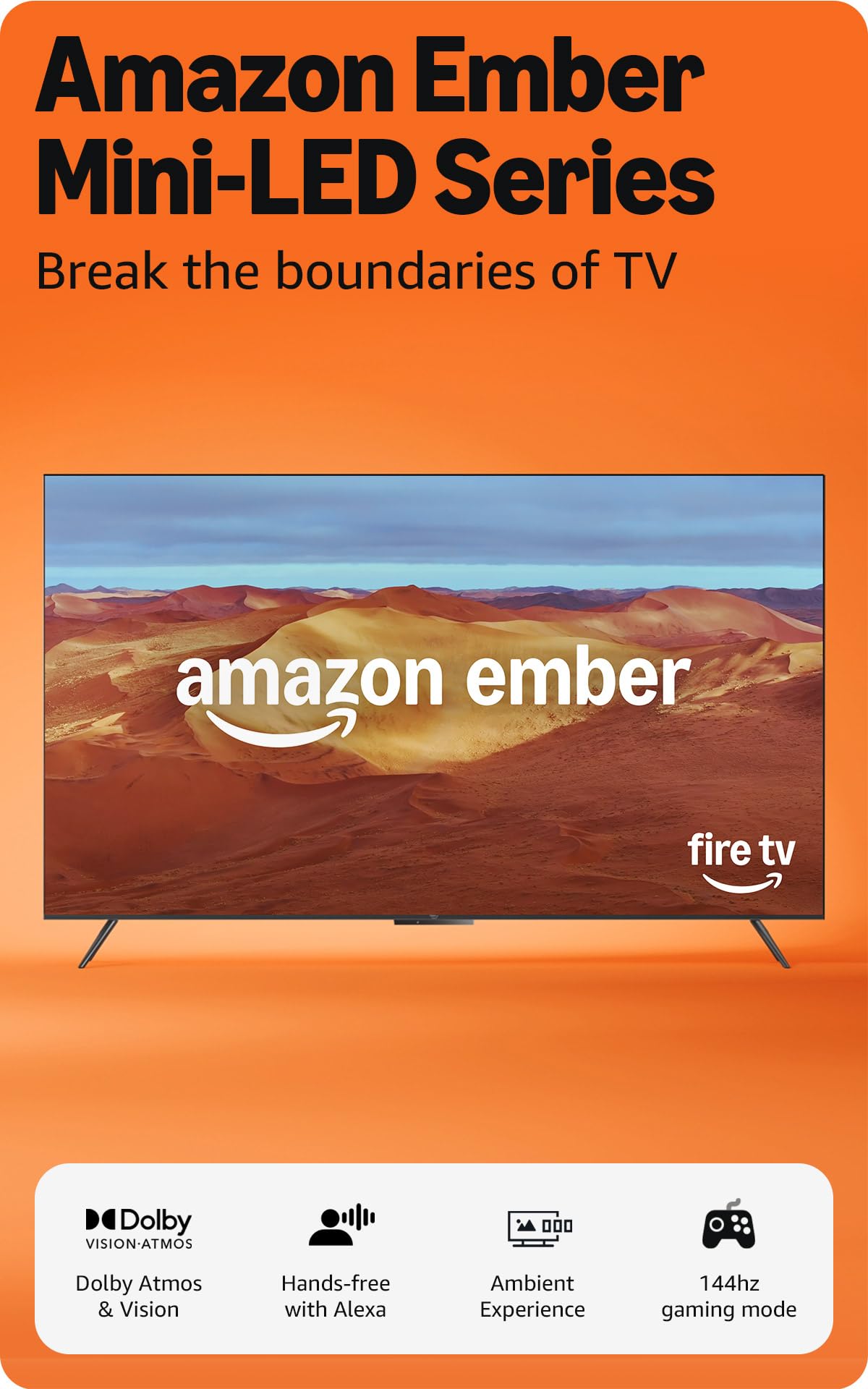
Omnisense sensors wake the screen when you enter the room, and Alexa+ takes commands hands-free.
The hands-free angle is the real story here. Alexa+ listens for natural speech — ask it to find a show, set a timer, or manage smart-home devices, even with the screen off. Omnisense sensors wake the display when you enter the room, so artwork or your last show appears without touching anything. A physical switch electronically disconnects the microphones when you want privacy.
The panel is a 4K QLED Mini-LED with over a billion lifelike colors, Dolby Vision IQ, HDR10+ Adaptive, and up to 1,400 nits of peak brightness. With 512 dimming zones, contrast is deeper than a standard backlight — those zones let small bright details hold their edge against dark backgrounds. Fire TV Intelligent Picture fine-tunes scene by scene and adapts to your room’s light and color.
Gaming runs at 144Hz with AMD FreeSync Premium Pro certification, which keeps frames tear-free during fast play. Sound is 2.1 Dolby Atmos with clear dialog and dramatic bass. The honest caveat sits with brightness: some owners find it very bright and others report low levels, so panel-to-panel variation is the thing to check on arrival. Picture clarity, audio, and visuals draw praise, with sports in 4K called out as a standout.
The headline feature: Alexa+ voice control, Omnisense auto-wake, and a microphone kill switch — the most hands-free set here.
The variable to watch: brightness reports split, so test your unit’s panel early in the return window.
Best for: an Alexa-run smart home where voice control and auto-wake matter more than raw nits.
Look elsewhere if: you want predictable, verified brightness from the start and hate returning things.
8. Sony 65 Inch BRAVIA XR8B OLED 4K HDR Smart Google TV

Over 8 million self-lit pixels plus Auto HDR Tone Mapping and Auto Genre Picture Mode for PS5.
PlayStation owners get something here nobody else offers: Auto HDR Tone Mapping and Auto Genre Picture Mode, which tune the picture for both gaming and streaming the moment a PS5 connects. The rest of the panel is OLED through and through, with over 8 million self-lit pixels for pure black and high brightness. The XR Processor handles color, contrast, and clarity in real time, and XR Clear Image upscales older HD content.
Movie night gets a full toolkit — Dolby Vision, Dolby Atmos, IMAX Enhanced, and DTS:X — plus studio calibrated modes tuned for Netflix and Prime Video. Acoustic Surface Audio+ is the unusual bit: it turns the screen itself into the speaker, so dialogue seems to come from the actor’s face rather than below the panel. XR OLED Motion keeps fast sports and action scenes blur-free.
Picture and sound both earn excellent marks, with deep blacks and natural skin tones named as the strengths, and setup is straightforward. The split vote is brightness — this isn’t the set for a sun-blasted room — and reliability is the concern worth knowing, with intermittent random restarts and shutdowns showing up in feedback. It’s a minority of a large happy base, but on a premium-priced OLED it’s the kind of thing that makes a generous return policy worthwhile.
What PS5 owners get
- Auto HDR Tone Mapping and Auto Genre Picture Mode built for PlayStation 5
- Over 8 million self-lit pixels with XR Contrast-style pure blacks
- Acoustic Surface Audio+ turns the screen into the speaker
- Studio calibrated modes for Netflix and Prime Video
What to weigh
- Brightness is mixed — not ideal in a bright room
- Intermittent restarts and shutdowns appear in owner feedback
- Premium tier means you’re paying for the badge as well as the panel
Pick it if: you own a PS5 and want the console-and-panel pairing Sony engineered together.
Hold off if: your room is bright or you want zero risk of random shutdowns on a big-ticket set.
9. Samsung 65-Inch Class OLED S90F 4K Smart TV

128 neural networks doing the upscaling — old broadcasts look sharp on a 4K panel.
The processor is the headline: the NQ4 AI Gen3 uses 128 neural networks to upscale everything you watch to 4K and tune the sound to match. For someone with a cable box or a stack of older streams, that’s the difference between a soft, blurry picture and a sharp one on a big screen. The same processor analyzes each scene and boosts brightness to reveal detail in darker areas.
Motion is handled by Motion Xcelerator at up to 4K 144Hz for VRR gaming, so console sessions stay smooth and tear-free. Samsung’s AI also smooths the motion of fast-moving balls and on-screen text, reducing blur and flicker — helpful if you follow a sport where the ball moves faster than the camera likes. SDR content gets transformed to HDR-like quality with brighter highlights and more vibrant color.
Contrast is where this set wins hearts — perfectly white whites and black blacks, with color that owners call spot-on. Setup is easy and daily performance is described as flawless. The one down note in the feedback is an occasional screen that won’t power up. Bluetooth 5.3 is current-generation wireless, and the graphite-black finish keeps it understated on a stand.
Standout: 128-neural-network upscaling to 4K — the sharpest rescue of older content on this list.
Heads-up: a small number arrive with power issues, so confirm it switches on cleanly the day it lands.
Ideal for: households mixing cable, older streams, and 4K gaming who want everything to look its best.
Maybe not if: you want the flushest wall-mount look — the LG G5 owns that spec.
10. LG 65-Inch OLED evo AI 4K G5 Series Smart TV

The flush-to-the-wall OLED that turns your living room into a gallery when it’s off.
Hang this one and the gap between screen and plaster virtually disappears — the one-wall design is the reason to pay for the G5 over a stand-mounted set. When it’s off, display paintings or photos and it blends into the room. When it’s on, the Brightness Booster Max magnifies each individual pixel, and over 8.3 million self-lit smart pixels keep blacks perfect and color accurate even in a bright room.
LG had this panel tested for glare: it’s verified by UL for Discomfort Glare Free with UGR less than 22, a measured glare rating rather than a marketing phrase. The Alpha 11 AI Processor Gen2 runs AI Picture Pro and AI Super Upscaling, and 0.1ms response time with up to 120Hz refresh keeps games sharp. Four HDMI 2.1 inputs cover consoles and a PC, and NVIDIA G-Sync, AMD FreeSync Premium, and VRR all come standard. webOS adds over 350 free LG Channels, plus Dolby Vision, Dolby Atmos, and FILMMAKER MODE.
Contrast and clarity earn the loudest praise, followed by brightness and spot-on colors, and the flush wall-mount design gets called out for how clean it looks. The recurring friction is the wall-mount install itself — the bracket work draws complaints more than any other part. Price and value also split opinion, so go in knowing you’re paying for the flush look and OLED black levels.
Its signature: a near-flush one-wall hang with a UL-verified glare rating (UGR less than 22) and four HDMI 2.1 ports.
The catch: the wall-mount bracket is where the frustration lives — plan for a careful install or a pro.
Reach for it if: you’re wall-mounting in a styled living room and want the screen to sit like a framed picture.
Skip if: you plan to use the tabletop stand — you’d pay for a design feature you never see.
11. Sony 65 Inch BRAVIA 8 OLED 4K HDR Smart Google TV

Studio calibrated modes and five free 4K movie credits for the picky film buff.
Over 8 million self-lit pixels deliver pure black, and XR Contrast Booster 15 pushes the deep, detailed blacks and dazzling highlights that make movies feel cinematic. XR Triluminos Pro covers billions of accurate real-world colors, and the XR Processor tunes color, contrast, and clarity in real time. Studio calibrated modes designed for Netflix, Prime Video, and Sony Pictures Core show the picture as the creator intended.
The movie bundle is a genuine perk: Sony Pictures Core includes 5 credits to redeem on latest release movies plus 12 months of subscription access to hundreds of classics, streaming high-bitrate 4K. PS5 owners also get Auto HDR Tone Mapping and Auto Genre Picture Mode. Dolby Vision, Dolby Atmos, IMAX Enhanced, and DTS:X all come along for the ride, and XR OLED Motion handles fast sports without blur.
The picture itself is stunning — bright and crisp OLED with easy setup and a clean appearance. Where this pick asks you to be careful is long-term confidence: reliability feedback includes sets that stopped working randomly after 11 months and screens turning off for no reason. That’s the minority voice in a large group, but at the top of the price ladder it’s the caveat that should shape where you buy.
For film lovers: studio calibrated Netflix and Prime Video modes, XR Triluminos Pro color, and 5 movie credits plus 12 months of classics.
The risk to weigh: long-term reliability reports are the weakest of this group, so a solid warranty and return path matter.
Choose it when: you want the most cinema-accurate picture Sony makes at this size and the bundled movie credits appeal.
Think again if: you want the most dependable long-term owner reports — the Samsung S90F carries a cleaner track record.
Know the Specs
Nits and brightness
A nit is a unit of screen brightness — think of it as how hard the panel can push light. More nits means the picture stays visible and punchy in a bright room, and HDR highlights gleam instead of looking flat. The sets here range from a few hundred nits up to “up to 3000 nits” on the Hisense, which is why that one leads on glare resistance. In a dark bedroom, though, very high brightness can feel harsh, and an OLED’s gentler light often suits better.
Local dimming zones
Mini-LED sets split their backlight into many small zones that switch on and off independently — so a bright object on a dark background stays crisp instead of glowing a grey halo. More zones means tighter control and deeper blacks. The TCL QM7K offers up to 2500 zones, the Amazon Ember 512, and the Hisense up to 3000, while an OLED skips zones entirely because every pixel lights itself. That’s the core trade-off between the two panel types.
Refresh rate and VRR
Refresh rate measures how many times per second the screen redraws — 60Hz is the baseline, and 120Hz or 144Hz keeps fast motion smooth. Higher numbers matter most for sports and console gaming, where a low rate can smear a ball or a race car. VRR (variable refresh rate) syncs the panel to your console’s output so frames don’t tear. Look for HDMI 2.1 ports if you want to feed a PS5 or Xbox Series X at the higher frame rates they output.
HDR formats explained
HDR (high dynamic range) lets a TV show brighter highlights and deeper shadows at once. Dolby Vision is a scene-by-scene version with detailed metadata, HDR10+ is an open rival that also adjusts per scene, and HDR10 is the baseline. IMAX Enhanced and Dolby Atmos handle the sound and picture together for select streaming titles. A set that supports several formats will look good across more apps — Dolby Vision IQ even reads your room’s light and adjusts the picture for you.
Common Questions
Is a 65-inch TV actually a “64-inch” TV?
Will a 65-inch TV fit on my existing TV stand?
Is Mini-LED better than OLED for a bright living room?
Do I need HDMI 2.1 for a PS5 or Xbox Series X?
How much does a 65-inch TV add to my electricity bill?
Can I wall-mount these 65-inch TVs?
What is VRR and does it matter for gaming?
Do these TVs need a separate soundbar?
Which smart platform is easiest to use?
Should I buy OLED or Mini-LED for watching movies?
The Bottom Line
For the safest overall pick, start with the Roku 65-Inch Plus Series. It pairs a 4K QLED Mini-LED panel (tiny backlights that sharpen contrast) with a 13.1-inch base that fits normal furniture and a built-in subwoofer. Owners repeatedly describe it as value done right. If bright-room glare is your daily battle, the Hisense 65U7SG answers it with up to 3000 nits (a brightness measure) and up to 3000 dimming zones. Console gamers should look at the iFFALCON 65U85, which brings four HDMI 2.1 ports and a native 144Hz panel (144 refreshes per second for smoother motion).
For dark-room movie nights, the LG 65-Inch OLED evo G4 delivers per-pixel contrast with over 8 million self-lit pixels and a near-flush wall mount. If you’re wall-mounting in a styled space, the LG G5 gives you the most smooth hang with a UL-verified glare rating of UGR less than 22 (a lower number means less glare). Whichever you pick, match the panel type to your room, check the base width against your furniture, and confirm the HDMI ports suit the console you own.
How we choose
We do not accept paid placement. Every pick is matched to a real buyer and a real use-case; we do not hands-on test units.
Sources
Specifications: manufacturer listings and product documentation. Review insights: verified customer reviews, as of November 2026. Pricing: not shown on this page (it changes often); check the current price via the retailer link.
As an Amazon Associate, My Heart Lives Here earns from qualifying purchases. This does not affect which products we feature.