Heads up: This post contains affiliate links. As an Amazon Associate I earn from qualifying purchases, at no extra cost to you. Learn more
Specs are compiled from manufacturer listings and verified buyer reviews and can change over time — please confirm the key details on the product page before buying.
Zone 9A is a gardening contradiction — mild enough to keep an evergreen shrub green all winter, hot enough in summer to scorch the wrong pick. The fastest way to waste a planting season is buying something that sulks the moment the mercury climbs. This short list keeps it to five picks that actually handle that heat-and-humidity stretch, plus the honest catch on each.
This guide is built by comparing the manufacturers’ published specifications and the patterns across verified customer reviews, so you get each pick’s real strengths and trade-offs instead of marketing spin.
Below you’ll find the bloomers, the seed mixes, and the shrubs worth your planting bed, with the heat and sunlight each one truly needs spelled out in plain language. Here is a short, decisive list of the best Plants for Zone 9A.
Top Picks


How To Choose The Best Plants for Zone 9A
Three things decide whether a Zone 9A plant thrives or quits on you.
Match the bloom season to your real summer
Pick a plant whose expected blooming period covers the months you actually want color, since Zone 9A springs arrive early and summers run long.
Read the height before you buy
Expected plant height tells you the space it will occupy in a couple of seasons, so a 7-foot grower and a 3-foot shrub belong in completely different beds.
Know your sun slot
Full sun means six-plus hours of direct light, while partial shade plants want relief from the harshest afternoon rays.
Side-by-Side Comparison
| Model | Best For | Expected Height | Sun | Bloom Period | Amazon |
|---|---|---|---|---|---|
| Encore Azalea Autumn Bonfire★ Best Overall | Year-round evergreen color | 3 feet | Full sun | Spring to Fall | Amazon |
| Proven Winners Hibiscus Blue ChiffonBiggest Statement | Big statement shrub | 96 inches | Full sun to part shade | Spring to Fall | Amazon |
| BBB Seed Drought Tolerant Mix | Dry, sunny beds | — | Full sun | Summer | Amazon |
| Eden Brothers Partial Shade Mix | Shaded borders | — | Partial shade | Fall/Spring/Summer | Amazon |
| Marde Ross Teddy Bear Sunflower | Tall, pollinator-friendly backdrops | 7 feet | Full sun | Summer | Amazon |
Detailed Reviews
1. Encore Azalea Autumn Bonfire (1 Gallon) Red Flowering Shrub
Our pick — 4.0+★ from 550+ verified ratings; the strongest balance of quality and price.
A compact shrub that keeps green leaves in winter and red flowers across three seasons.
You get repeat color without replanting, because this dwarf azalea reblooms from spring all the way to fall and holds its bright green foliage year-round. It settles at a mature 3 feet high by 3 feet wide — a manageable footprint for a border or entry bed, not a shrub that swallows the patio.
It arrives ready to bloom in a one-gallon pot with soil, and once established it shrugs off heat and sun as well as temperatures down to 0 degrees Fahrenheit. The stated care is light: 4-6 hours of direct sun a day and water no more than 2-3 times a week.
The catch is arrival health, which is genuinely mixed — some plants settle fast and flower within weeks, others arrive small or fail to take. The best odds come from ordering when your own weather is mild and opening the box the day it lands.
What earns it the top slot
- Reblooms spring through fall, so the color keeps coming back
- Evergreen foliage means no bare stick season in Zone 9A
- A tidy 3-foot-by-3-foot mature size fits tight planting spaces
Where it can disappoint
- Health on arrival varies — some plants are slow to establish
Made for: gardeners who want one shrub doing the heavy lifting with color nearly all year.
Think twice: if you can’t unpack and water it the day it arrives.
2. Proven Winners 2 Gal. Hibiscus Blue Chiffon Shrub
The blue-flowered shrub that turns a bare bed into a focal point.
This is a rose of Sharon hibiscus with a mature height of 96 inches and a spread of up to 72 inches — a proper background shrub, not a filler. It is rated for USDA zones 5-9, flowers spring through fall, and takes full sun to part shade.
Appearance carries this one: it arrives full of buds, and the blooms keep opening through the season. The honest note is health variance — some ship lush and thriving, others arrive small at the base and struggle. It also ships dormant from winter into early spring, so a leafless stick in the box is normal, not a sign of death.
Plant it where its generous spread has room, and remember it is deciduous — foliage drops in winter and regrows early spring. That seasonal empty stretch is the trade-off for the size and bloom show.
Why it stands out
- Blooms spring through fall with plenty of buds on arrival
- Handles zones 5-9 and full sun to part shade
The honest caveat
- Dormant winter shipping means it can arrive bare; health varies
Go for this: if you want a tall, showy shrub that earns its space with continuous bloom.
Hold off: if a leafless dormant plant arriving in the box would worry you.
3. BBB Seed Drought Tolerant Wildflower Seeds Mix

A dryland wildflower blend built for sun, heat, and pollinators.
The headline here is coverage: this 4-ounce mix spreads over 375 square feet, and the blend leans on heat-tolerant xeric annuals and perennials that are rated for USDA zones 2 through 9. It wants full sun and draws honey bees, native bees, butterflies, birds, and hummingbirds.
What wins people over is the look — the mix comes up colorful and varied, and the seed quantity is generous. The honest part is germination: results swing widely, and a bed that comes up lush for one gardener can stay bare for another. Keep the ground moist through establishment, as the maker advises, and give it full sun.
For a dry, sunny stretch of Zone 9A where you want a meadow rather than a specimen shrub, this is a sensible starting point. Set expectations that you are rolling the dice on germination, not buying guaranteed plants.
Straight read: full-sun coverage and drought tolerance make it a fit for tough, hot ground — just water it through establishment and accept that seed results vary.
Worth grabbing: if you’re seeding a sunny, dry bed and want pollinator-friendly color for a wide area.
Look elsewhere: if you need guaranteed plants rather than a seed gamble.
4. Eden Brothers Partial Shade Wildflower Mixed Seeds
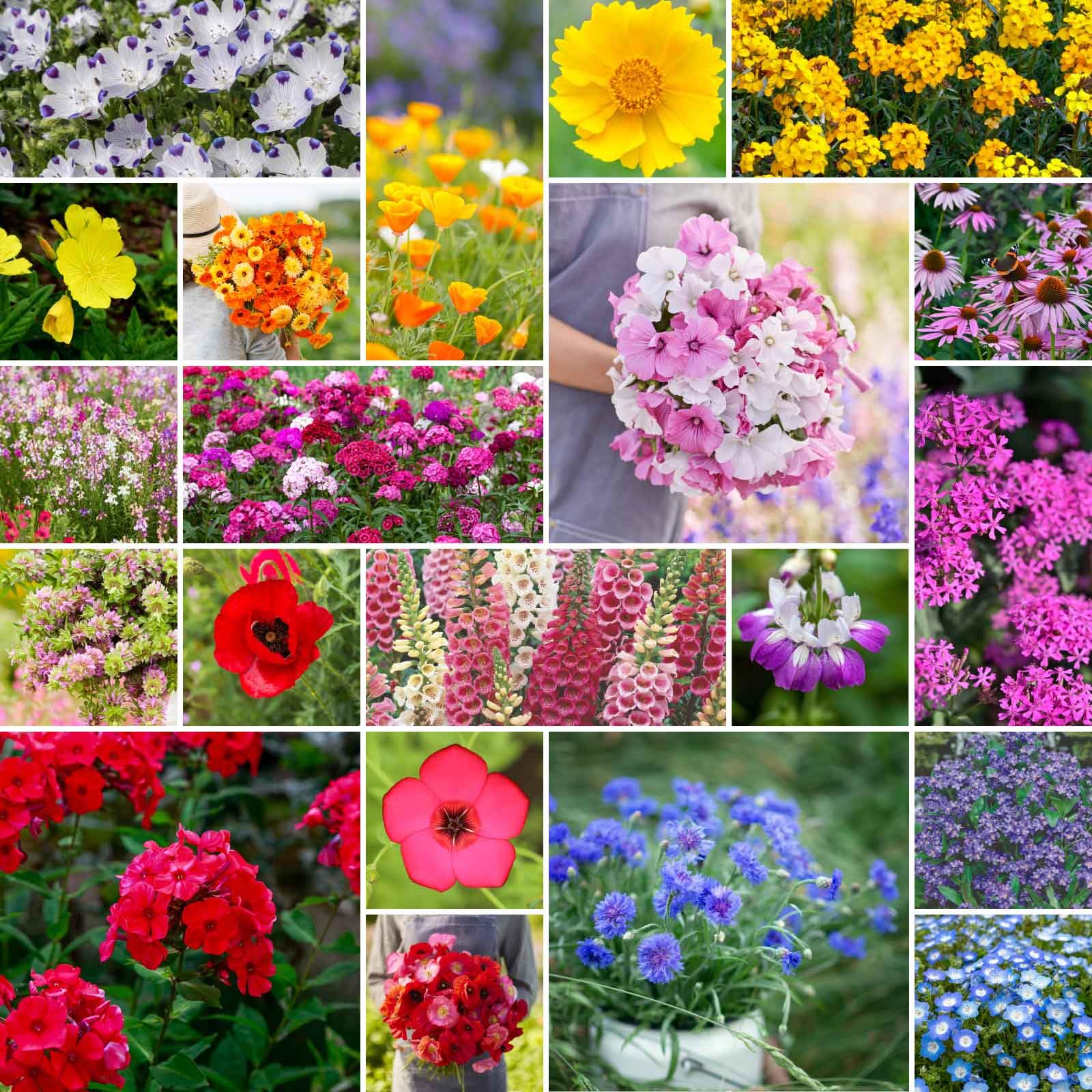
The mix to reach for when your best bed is half-shaded.
This 1/4-pound blend packs 27 easy-to-grow species into 250-500 square feet and is designed for partial shade, which suits the filtered-light corners of a Zone 9A yard that full-sun mixes can’t handle. It covers zones 3-10, mixes annuals and perennials, and is 100% non-GMO seed.
Color comes in a varied mix through spring, summer, and fall, and the blend pulls in bees, butterflies, and hummingbirds. Germination is the real variable — some patches sprout within days, others stay empty, and blooms are sometimes sparser than hoped.
Treat it as a shade-friendly experiment with a genuine upside if conditions line up. The label says partial shade, so respect that instead of planting it in blazing afternoon sun and expecting the same show.
Straight read: 27 species for shaded beds is a real strength, but germination swings, so plant with patience and keep the soil watered.
Worth grabbing: if your planting area sits in partial shade and full-sun mixes have failed you.
Look elsewhere: if you want a guaranteed bloom count from a single sowing.
5. Marde Ross & Company Teddy Bear Sunflower Seeds

Heirloom sunflower seed that promises fluffy golden blooms taller than you.
These Teddy Bear sunflower seeds are listed at 30 pieces, non-GMO, and expected to reach 7 feet tall in full sun — a head-of-the-garden statement next to the 3-foot azalea. The maker says seeds are stored in temperature-controlled refrigeration and germinate in 7-14 days, and the heirloom variety is grown in the USA and attracts pollinators.
The honest caveat is big: germination draws the most complaints of any point about this seed, with plenty of buyers reporting nothing came up and blooms that looked like ordinary sunflowers rather than the fluffy Teddy Bear type. So treat this as a seed gamble with a taller upside, and sow more than you need.
Sow outdoors after the last frost in full sun. If the seedlings take, the payoff is a tall, pollinator-friendly backdrop — but the odds are not the sure thing the listing implies.
What it promises
- Expected 7-foot height makes it a bold backdrop
- Heirloom, non-GMO seed grown in the USA
What to expect honestly
- Germination is the weak spot — many sowings come up short
Go for this: if you want tall, pollinator-friendly color and don’t mind sowing extra to hedge your bets.
Hold off: if you need reliable germination from a single packet.
Know the Specs
Expected Plant Height
The mature height a plant reaches once established — this is the number that tells you whether it belongs in a tight border or open back bed.
Sun Exposure
How much direct light a plant needs — full sun for the sunny spots, partial shade for beds that get relief from the hottest hours.
Common Questions
Will these plants really survive a Zone 9A summer?
How tall will the hibiscus get compared with the azalea?
Why won’t my wildflower seeds germinate?
The Bottom Line
For most Zone 9A gardeners, the plants for zone 9a winner is the Encore Azalea Autumn Bonfire — it pairs three-season red blooms with evergreen foliage and a tidy 3-foot build. If you want a taller statement shrub, grab the Proven Winners Hibiscus. And for a sunny dry bed, the BBB Seed mix is the one to reach for.
How we choose
We do not accept paid placement. Every pick is matched to a real buyer and a real use-case; we do not hands-on test units.
Sources
Specifications: manufacturer listings and product documentation. Review insights: verified customer reviews, as of November 2026. Pricing: not shown on this page (it changes often); check the current price via the retailer link.
As an Amazon Associate, My Heart Lives Here earns from qualifying purchases. This does not affect which products we feature.