Heads up: This post contains affiliate links. As an Amazon Associate I earn from qualifying purchases, at no extra cost to you. Learn more
Specs are compiled from manufacturer listings and verified buyer reviews and can change over time — please confirm the key details on the product page before buying.
Zinc only helps you if your body actually takes it in, and the form you swallow decides most of that. Picolinate and glycinate are the two you’ll see most — both are bound to an amino acid (a building block of protein) so the mineral survives the trip through your gut instead of irritating it on the way.
This guide is built by comparing the manufacturers’ published specifications and the patterns across verified customer reviews, so you get each pick’s real strengths and trade-offs instead of marketing spin.
Below you’ll find five well-reviewed options sorted by what each one is actually good at, from a gentle daily dose to a high- strength capsule. Here is the honest breakdown of the best form of zinc for absorption.
Top Picks
How To Choose A Zinc Form That Absorbs
Three things decide whether a zinc capsule is worth your money.
The form on the label
Picolinate and bisglycinate both attach zinc to an amino acid, which is the whole point — that bond is what makes the mineral easier for your body to pull in and less likely to sit heavy in your stomach.
Milligrams per serving
Strength runs from 20 mg to 50 mg, and a high-strength capsule suits a short-term or doctor-directed routine, not an everyday habit for most people.
Stomach tolerance
A gentler form matters more than a slightly higher number, because a capsule you stop taking helps nobody.
Side-by-Side Comparison
| Model | Best For | Form | Zinc Per Serving | Count | Amazon |
|---|---|---|---|---|---|
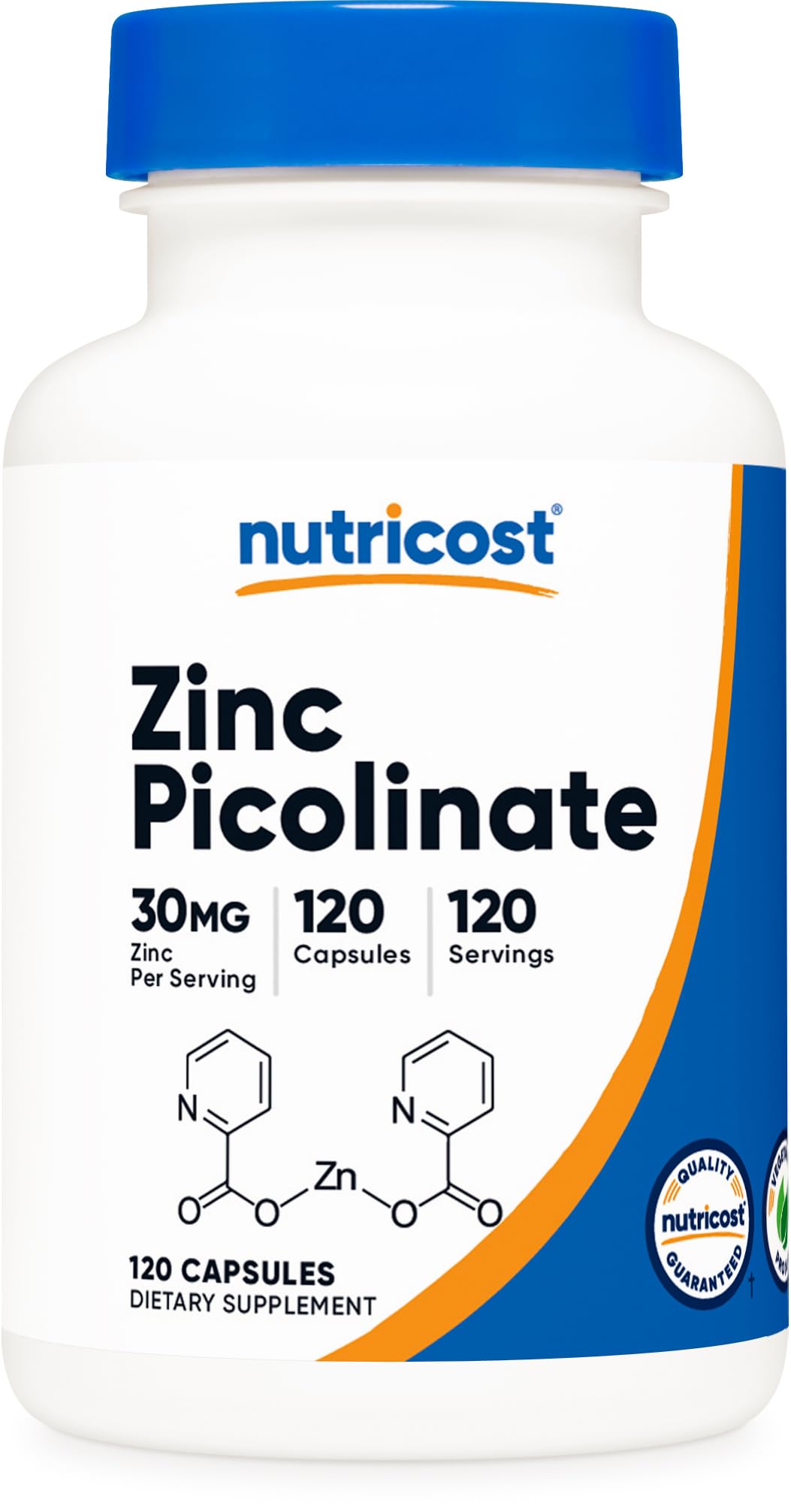
| Nutricost Zinc Picolinate★ Best Overall | Daily value | Zinc Picolinate | 30 mg | 120 capsules | Amazon |
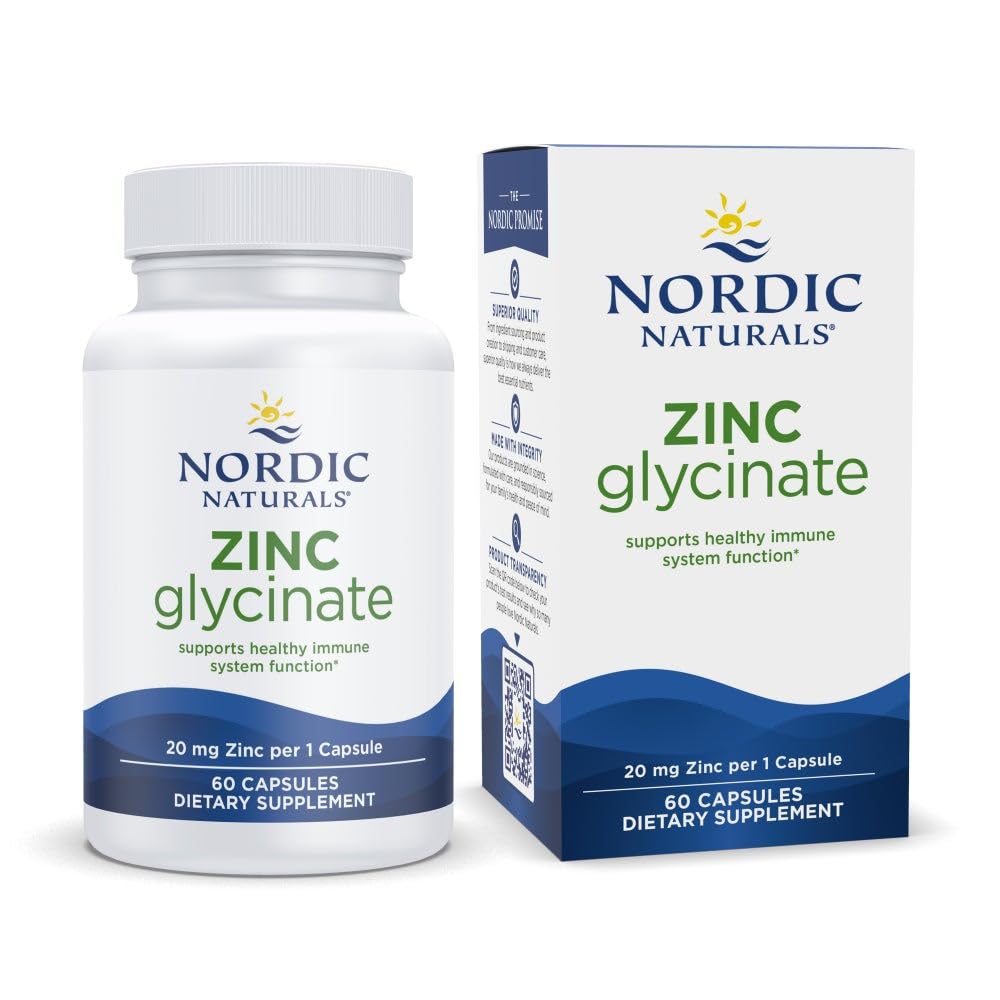
| Nordic Naturals Zinc GlycinateGentlest Dose | Gentle daily dose | Zinc Glycinate | 20 mg | 60 capsules | Amazon |
| Carlyle Zinc Picolinate | Big bottle, high strength | Zinc Picolinate | 50 mg | 300 capsules | Amazon |
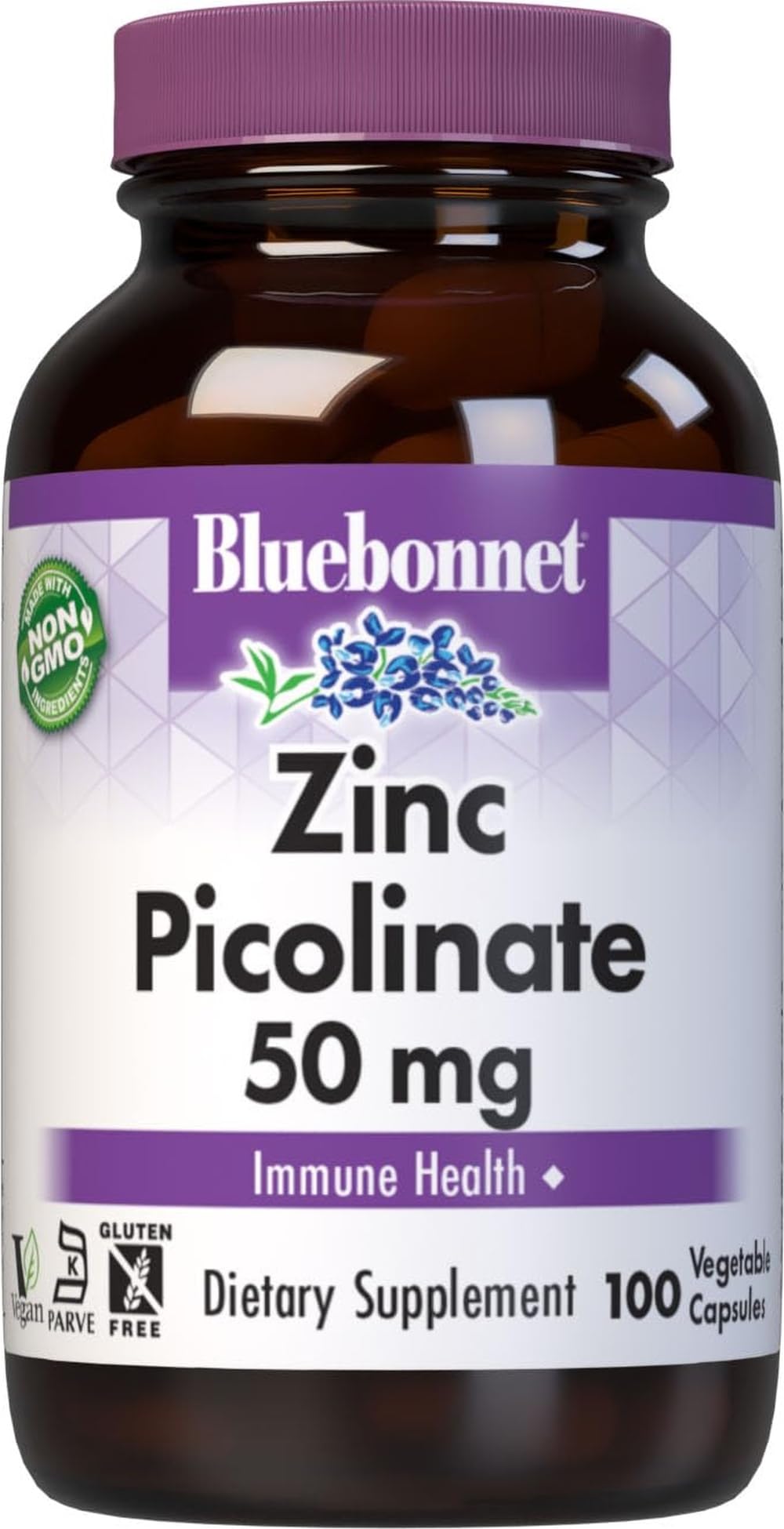
| Bluebonnet Zinc Picolinate | Skin and immune support | Zinc Picolinate | 50 mg | 100 capsules | Amazon |
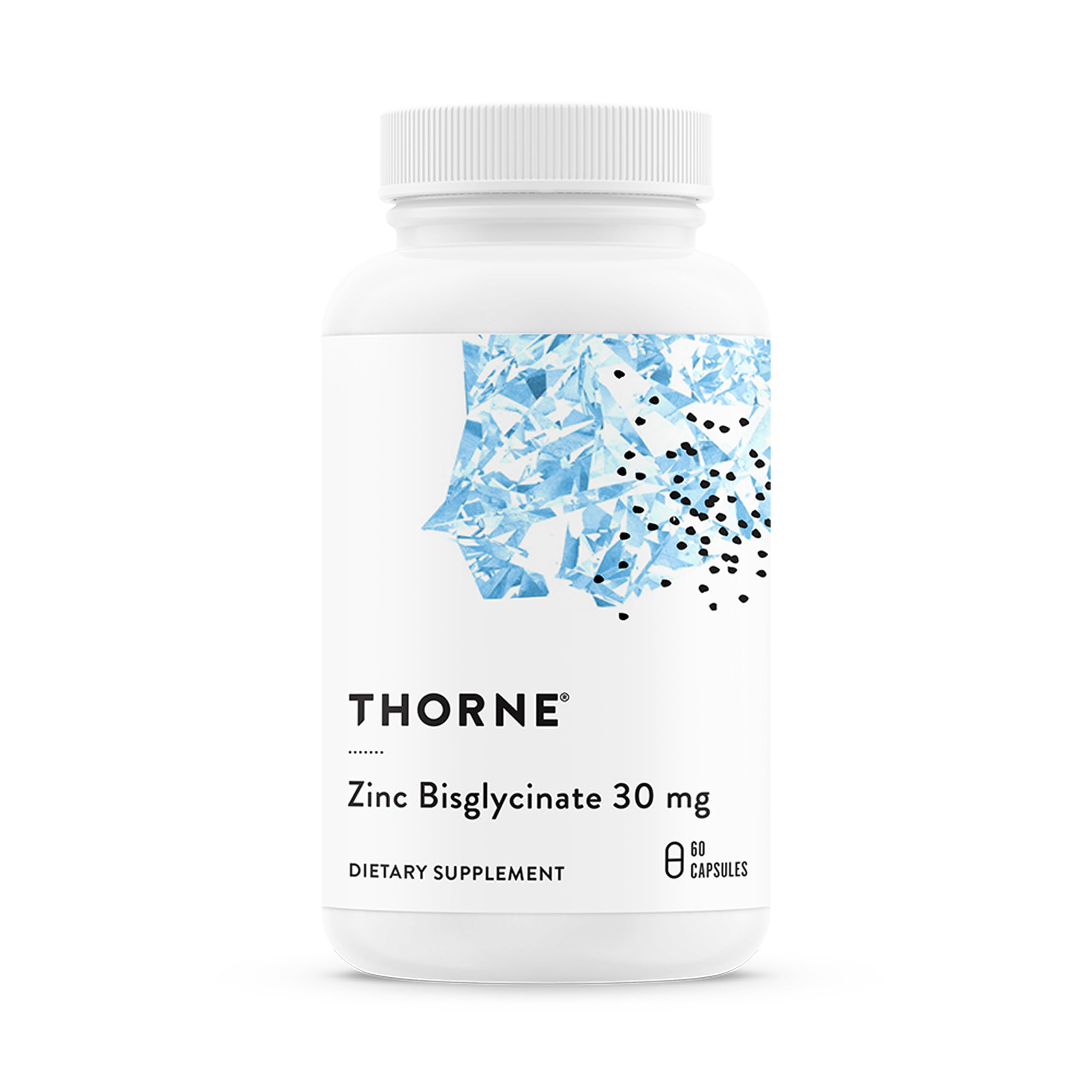
| THORNE Zinc Bisglycinate | Third-party verified | Zinc Bisglycinate | 30 mg | 60 capsules | Amazon |
Detailed Reviews
1. Nutricost Zinc Picolinate 30mg, 120 Capsules
Our pick — 4.5+★ from 1,000+ verified ratings; the strongest balance of quality and price.
A full four months of daily zinc in one small bottle — and nothing fussy on the label.
This is the one for the person who wants zinc to be part of the morning routine, not a project. Each vegetarian capsule serves 30 mg of zinc picolinate, and the 120 capsules stretch to 120 servings, so one bottle covers roughly four months at one a day.
What wins people over is the quality-to-cost read: it’s the crowd favorite here at 4.5+ stars across 1,100+ owners, and it undercuts the premium bottles while doing the same basic job. The picolinate form is bound to picolinic acid specifically to help the mineral get through, and owners say it goes down easily without stomach trouble.
The catch is the dose itself. 30 mg is a working-strength capsule, not a mild top-up, so if you already get zinc from a multivitamin, check the combined total before adding this to the pile.
The case for it
- 120 servings per bottle — months of daily use
- Picolinate form made to be absorbed
Where it nags
- 30 mg is more than a light daily top-up
Reach for this if: you want a straightforward picolinate capsule you take daily for months without rebuying.
Think twice if: you’re stacking it on top of another zinc supplement.
2. Nordic Naturals Zinc Glycinate 20mg, 60 Count
The lowest dose of the five, built for a stomach that complains about everything else.
At 20 mg per serving this glycinate bottle carries a lighter punch than the 50 mg capsules further down. That’s the point — the zinc is chelated (bonded to the amino acid glycine), a form marketed for easy uptake, and the bottle holds 60 capsules.
Skip-ahead comparison: Nutricost gives you five times the capsule count, but Nordic’s 20 mg is a friendlier number if you want a daily dose rather than a big hit. Buyers report it as gentle on digestion and easy to swallow, and it’s certified vegan with third-party purity testing behind it.
One trade-off is bottle size. Sixty capsules means a refill after about two months at one a day, which feels short next to the 120-serving pick above.
Why people keep it: a 20 mg chelated capsule is a sensible everyday strength for anyone who wants zinc without a jolt.
Small annoyance: the 60 count runs out faster than you’d like.
Solid choice for: a lighter daily dose and a vegan-certified capsule.
Less ideal if: you want a big bottle that lasts half a year.
3. Carlyle Zinc Picolinate 50mg, 300 Count

Three hundred capsules at 50 mg a pop — you will not restock this bottle soon.
Here the number that matters is 300. That’s the capsule count, and it dwarfs the 60-count Nordic bottle by a wide margin, so this is the pick for someone who hates reordering.
Each quick-release capsule delivers 50 mg of zinc picolinate, which the label calls 455% of your daily value — a high-strength dose, not a small one. The bottle itself weighs 7.3 ounces versus Thorne’s 1.41 ounces, so expect a substantially chunkier jar in the cabinet. Owners describe it as easy to swallow with no stomach upset, and the gluten-free formula keeps fillers out.
The honest limit: 50 mg is a serious dose, and it’s not the strength to take casually every day without checking with your doctor.
What earns the spot
- 300 capsules for a long stretch between refills
- Picolinate form with a high-strength dose
What to weigh
- 50 mg is a strong dose, best used deliberately
Pick it when: you want one big high-strength bottle and long gaps between purchases.
Hold off if: you’re after a gentle everyday amount.
4. Bluebonnet Nutrition Zinc Picolinate 50 mg
The clean-label pick — kosher certified, 50 mg, and free of nearly every common allergen.
If dietary restrictions are the deciding factor, this is where you land. The bottle is kosher certified, vegan, non-GMO, and free of milk, egg, fish, shellfish, tree nuts, peanuts, wheat, soy, corn, yeast, gluten and sugar — a genuinely short exclusion list.
You get 50 mg of zinc picolinate across 100 vegetable capsules, so 100 servings. Compared head-to-head with the Carlyle bottle, the Carlyle offers 300 capsules to Bluebonnet’s 100 — but Bluebonnet’s smaller jar takes less cabinet space and its allergen-free spec is the sharper one.
Strength is again the trade-off.
Standout spec: a 50 mg picolinate capsule wrapped in among the most restricted-free formulas here.
The honest catch: that strength wants deliberate use, not automatic daily grabbing.
Best for: anyone juggling allergies or kosher needs who still wants a strong picolinate.
Look elsewhere if: a mild everyday dose is what you’re after.
5. THORNE Zinc Bisglycinate 30 mg, 60 Capsules
The verification-first bottle — third-party tested so what’s on the label is what’s inside.
Each capsule holds 30 mg of zinc bisglycinate, a chelated form the brand describes as optimally absorbed. what separates it is the paperwork: every batch is third-party tested to confirm the contents match the label and carry no unsafe contaminant levels.
This is also the lightest bottle of the five at 1.41 ounces — noticeably slimmer than Carlyle’s 7.3-ounce jar. It’s a 60-count, so roughly two months at a capsule a day, and owners mention it goes down easily and sits well with their stomach.
The trade-off is the small count and a dose that, at 30 mg, is a working strength rather than a light one. It’s a short bottle for the price of a large one, and you’re paying for that testing.
What stands out
- Third-party tested for label accuracy
- Chelated bisglycinate form
What gives pause
- 60 capsules is a short supply
Choose it for: verified contents and an easy-swallowing bisglycinate capsule.
Pass if: you want the biggest bottle per purchase.
Know the Specs
Picolinate vs. Bisglycinate
Both bind zinc to an amino acid so the mineral is carried through your gut more easily. Picolinate uses picolinic acid; bisglycinate uses glycine. Neither is a magic bullet — the dose and your own tolerance matter more than the marketing.
What “Chelated” Means
Chelated simply means the mineral is attached to an amino acid. That bond is what makes a form easier to absorb and gentler on the stomach than a plain mineral salt.
Common Questions
Is picolinate or bisglycinate better absorbed?
Should I take zinc on an empty stomach?
Can I take a 50 mg zinc capsule every day?
The Bottom Line
For most people the form of zinc for absorption that makes the most sense is the Nutricost Zinc Picolinate 30mg — a picolinate capsule, 120 servings per bottle, and the highest-rated pick of the five. If you want a lighter 20 mg dose, take the Nordic Naturals Zinc Glycinate. And if you want third-party verification, the THORNE Zinc Bisglycinate is the one to reach for.
How we choose
We do not accept paid placement. Every pick is matched to a real buyer and a real use-case; we do not hands-on test units.
Sources
Specifications: manufacturer listings and product documentation. Review insights: verified customer reviews, as of November 2026. Pricing: not shown on this page (it changes often); check the current price via the retailer link.
As an Amazon Associate, My Heart Lives Here earns from qualifying purchases. This does not affect which products we feature.