Heads up: This post contains affiliate links. As an Amazon Associate I earn from qualifying purchases, at no extra cost to you. Learn more
Specs are compiled from manufacturer listings and verified buyer reviews and can change over time — please confirm the key details on the product page before buying.
You want your steps, heart rate and sleep logged without carrying a phone or pairing to one every day. That is the whole job here, and the eight picks below each handle it differently — some run fully solo with built-in GPS, others lean on a phone only for setup. The crowd favorite is the Apple Watch Series 11, at 4.5+ stars across 9,000+ owners.
This guide is built by comparing the manufacturers’ published specifications and the patterns across verified customer reviews, so you get each pick’s real strengths and trade-offs instead of marketing spin.
Below you get the standalone tracking that matters most, plus the battery math and GPS detail that decide whether a watch really works without your phone in your pocket — the core of any fitness tracker that doesn’t require a smartphone.
Top Picks
How To Choose
Three things decide whether a tracker truly cuts the phone cord.
Built-in GPS
Look for a watch that records your route itself — the T-Rex 3 Pro and Forerunner 970 do this — because phone-dependent tracking dies the moment you leave it behind.
Battery in GPS mode
Smartwatch days and GPS hours are different numbers, so check the GPS figure if you run or hike long.
Offline maps
A watch with downloadable maps and rerouting keeps you on course with zero signal.
Side-by-Side Comparison
| Model | Best For | Battery | GPS | Water Rating | Amazon |
|---|---|---|---|---|---|
| Apple Watch Series 11★ Best Overall | All-round health | 24 hours | Via iPhone | 50m | Amazon |
| SOUYIE Outdoor GPSMost Rugged | Rugged routes | 10-21 days | Built-in | 5ATM | Amazon |
| Apple Watch SE 3Best Value | Entry Apple | 18 hours | Via iPhone | Water resistant | Amazon |
| Fitbit Charge 6 | Everyday band | 7 days | Built-in | — | Amazon |
| Amazfit Active 3 | Light style | 12 days | Six systems | — | Amazon |
| Garmin Lily 2 Active | Small wrists | 9 days | Built-in | — | Amazon |
| Amazfit T-Rex 3 Pro | Trail and dive | 27 days | Dual-band | 10 ATM | Amazon |
| Garmin Forerunner 970 | Serious runners | 15 days | Multi-band | — | Amazon |
Detailed Reviews
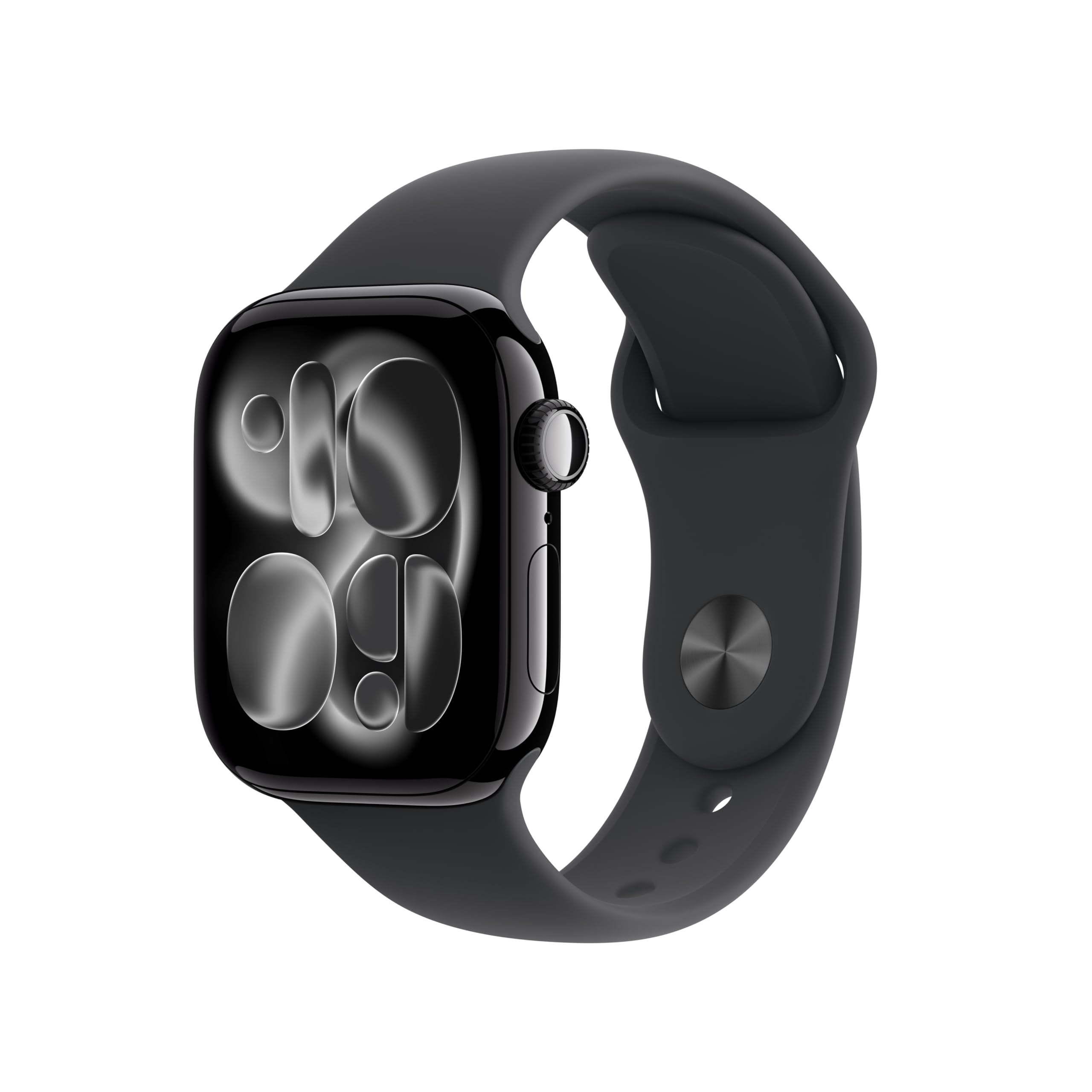
1. Apple Watch Series 11 [GPS 42mm]
Our pick — 4.5+★ from 9,500+ verified ratings; the strongest balance of quality and price.
The health tracker that logs a full sleep score from your wrist and charges before you finish a coffee.
What wins people over is how much it does on-wrist — an ECG reading, high and low heart rate alerts, and a daily sleep score. It runs 24 hours of normal use and refills 8 hours of power in 15 minutes flat.
One catch: the GPS relies on a nearby iPhone, so a truly phone-free run is not its strength.
On-Wrist Wins
- Full sleep score and heart alerts without opening an app
- 15-minute charge gives 8 hours of use
The Trade
- GPS tracking needs an iPhone nearby
Reach for this if: you have an iPhone and want the deepest health data on a single wrist.
Look elsewhere if: truly standalone GPS with zero phone is your priority.
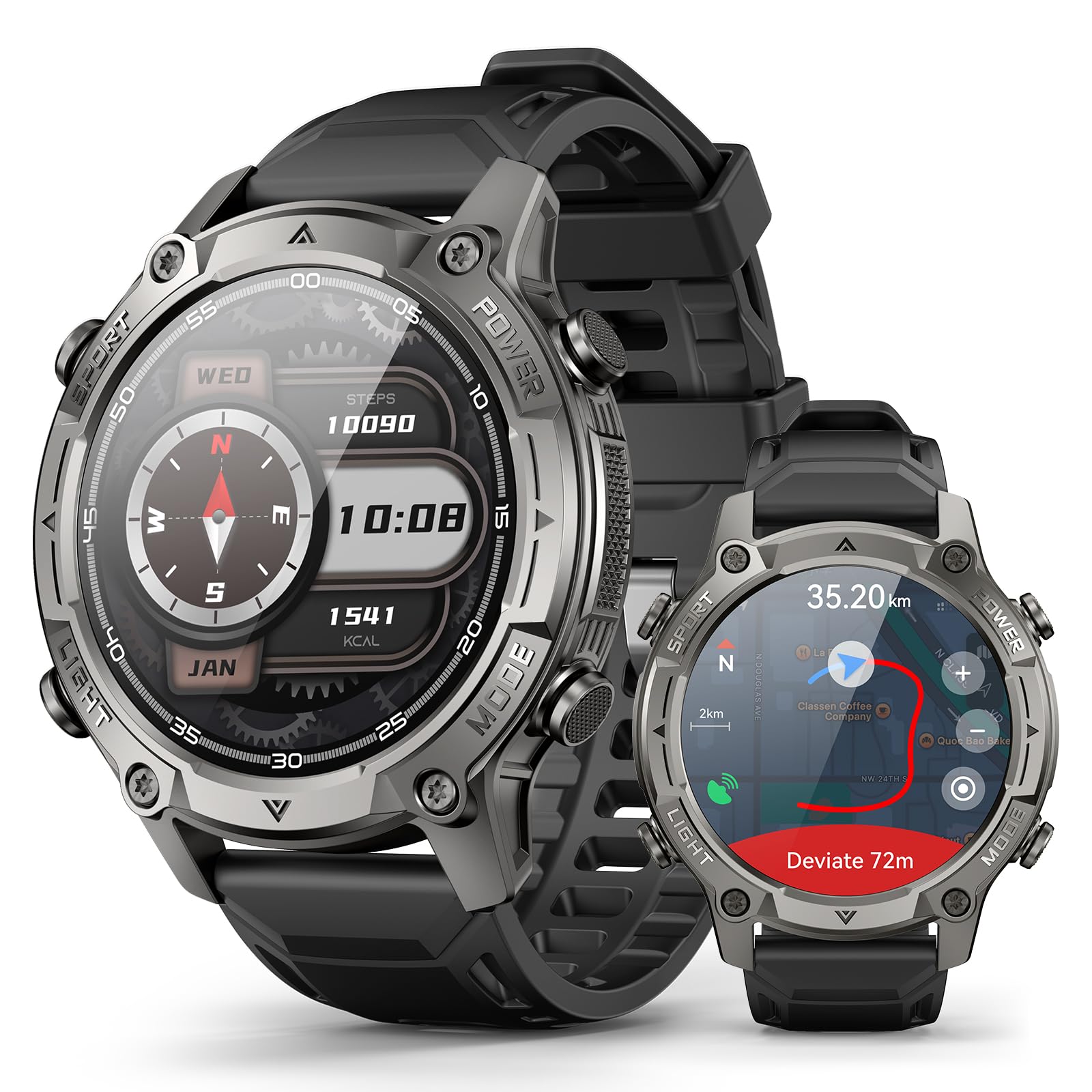
2. SOUYIE Outdoor GPS Smart Watch
A trail-ready watch that records your route itself and keeps going for weeks on a charge.
Built-in GPS works in areas with zero signal, and offline topographic maps let you check terrain with no phone. The 550mAh battery powers 10-21 days of regular use, and a 2-hour charge tops it off.
The honest limit: with only a small base of buyer ratings behind it, the long-term track record is simply less proven than the established names here.
Where it earns its keep: standalone route recording plus 5ATM waterproofing for swimmers.
Worth knowing: the 1.43-inch AMOLED hits 1000 nits, so it stays readable in direct sun.
Built for: hikers and swimmers who leave the phone at home.
Hesitate if: you want a deep track record of long-term reliability.
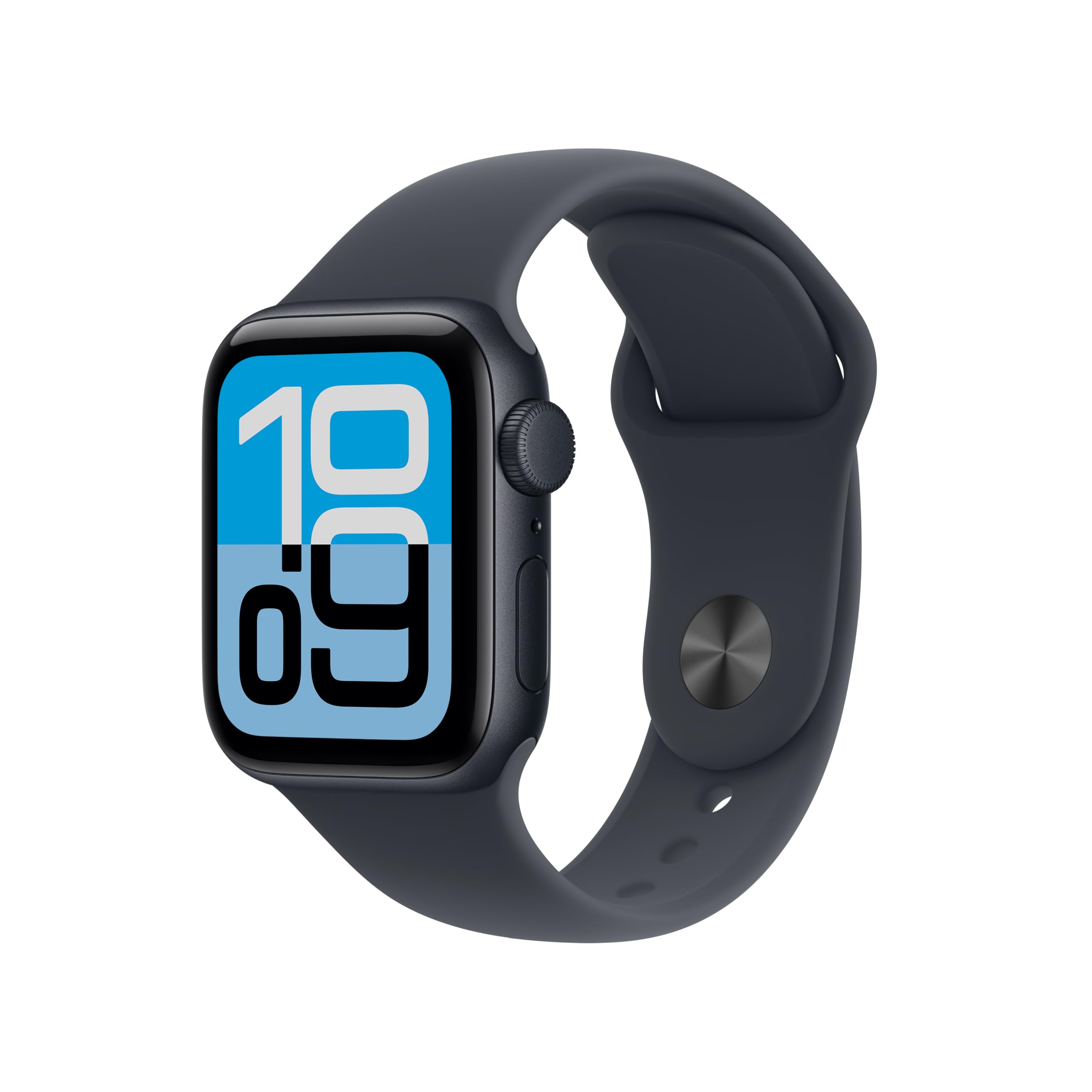
3. Apple Watch SE 3 [GPS 40mm]
The lighter, more affordable route into Apple’s health tracking, at 0.96 ounces on the wrist.
At 18 hours of battery it runs shorter than the Series 11’s 24 hours, but it still logs sleep scores, wrist temperature and heart rate alerts. It also charges up to 8 hours of use in 15 minutes.
The recurring gripe is exactly that 18-hour figure — heavy users find themselves charging sooner than they would like.
Why it fits: wrist temperature and cycle tracking in a lighter case.
The honest catch: 18-hour battery means a daily top-up is part of the routine.
Pick it for: Apple health tracking at the friendlier end of the range.
skip it if: multi-day battery is non-negotiable.
4. Google Fitbit Charge 6

A slim band with built-in GPS and a week of battery for people who prefer a screen the size of a thumbnail.
It packs 40+ exercise modes, all-day heart rate and a nightly sleep score into a silicone band. Built-in GPS means your route recording does not lean on the phone the way the Apple watches do.
The durability debate is real, though — the longer-term buyers report uneven lifespans, so treat the charging cradle gently.
The band advantage: a 7-day battery and built-in GPS in a light silicone strap.
The honest note: long-term reliability is the most-discussed gripe, so it is a fit for buyers who do not mind that risk.
Best for: all-day wear with a week between charges.
Think again if: maximum proven lifespan is your top concern.
5. Amazfit Active 3
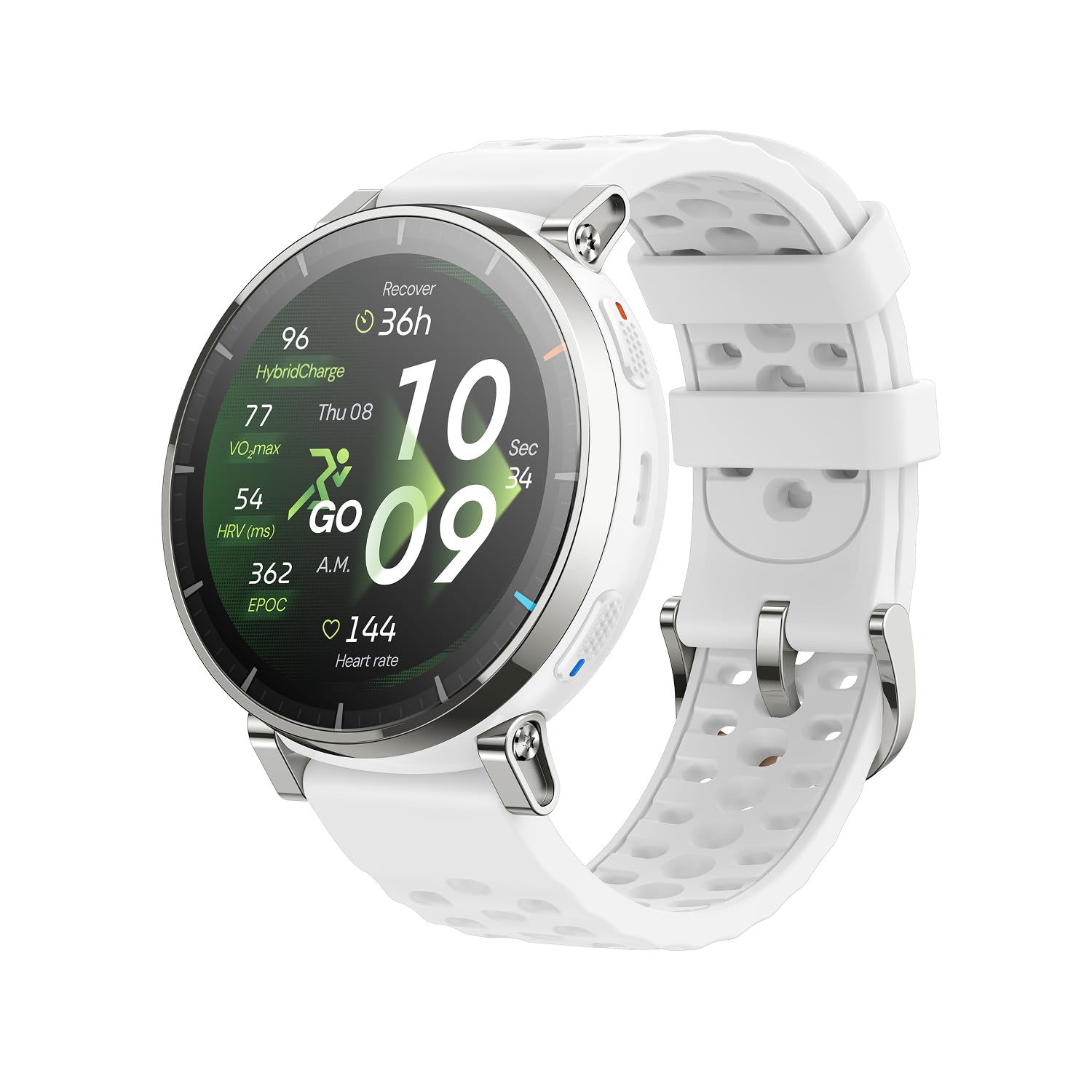
Six GPS satellite systems and free offline maps, wrapped in a stainless frame with sapphire glass.
You get 12 days of typical use, or 24 hours with continuous GPS route tracking, and turn-by-turn directions run with no phone required. The 1.32-inch AMOLED stays legible, and there is no subscription tagged onto the app.
The trade is familiarity: fewer buyers have lived with it long enough to match the big-name track records.
Where it stands out: downloadable maps and rerouting that work offline.
Know before you buy: a 12-day battery and 24-hour GPS mode cover most everyday outings.
Suits you if: you want standalone maps in a lighter, dressier frame.
Not quite if: you want years of user feedback behind your choice.
6. Garmin Lily 2 Active

A 38mm case that looks like a regular watch until you tap the patterned lens awake.
Built-in GPS handles outdoor runs, while sports apps cover yoga, Pilates, dance and golf. Battery runs up to 9 days, and Body Battery energy monitoring rounds out the recovery picture.
The honest catch: some owners mention getting well under the 9-day figure, and a few find the menus fiddly.
What sells it: a genuinely small 38mm case and 9-day battery.
The caveat: real-world battery can fall short of the stated 9 days.
Good match for: smaller wrists and anyone who wants a watch that hides its tech.
Consider another if: you want a big, bright always-on screen.
7. Amazfit T-Rex 3 Pro
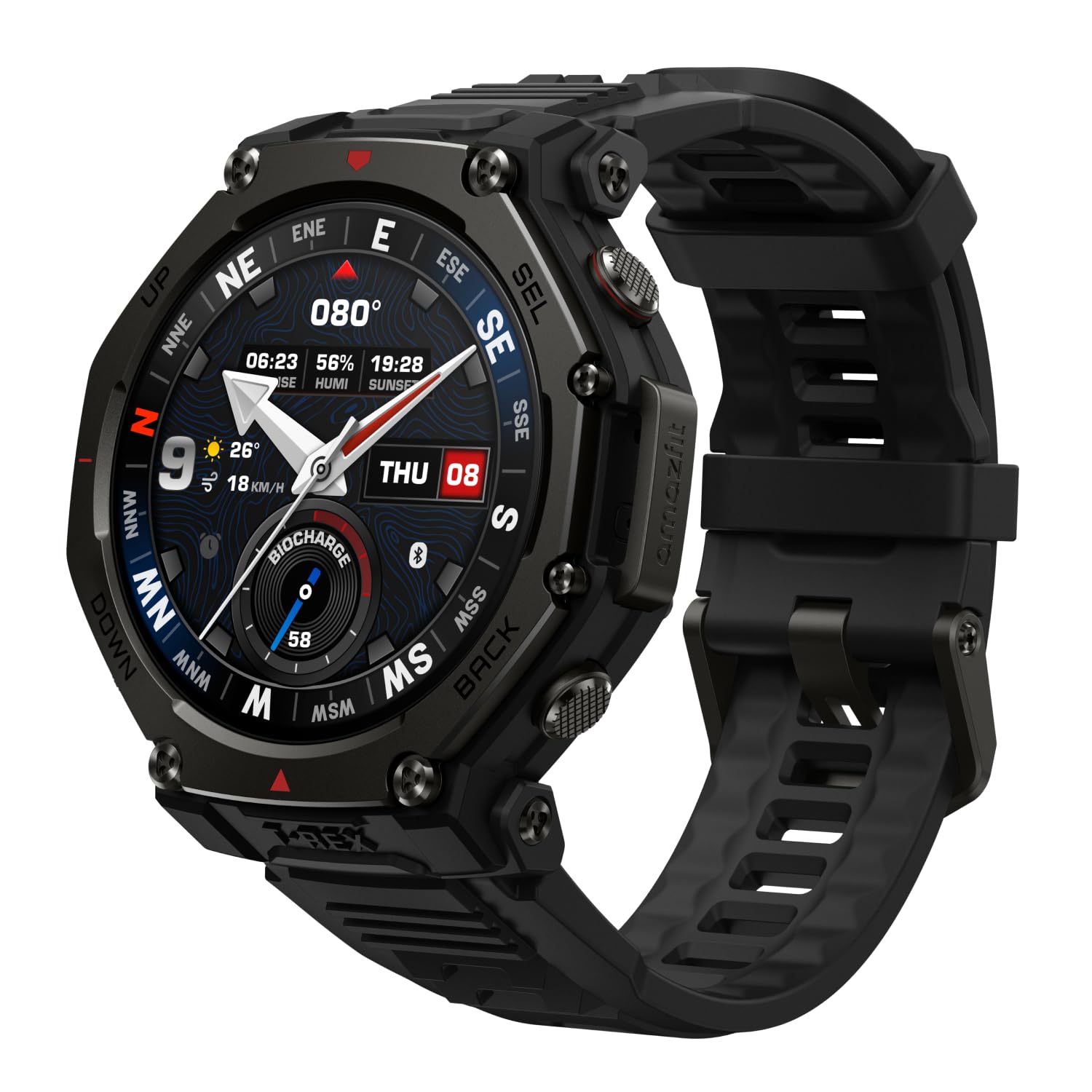
Diving certification to 45m and up to 25 days of battery, built for the trail and the water.
Its 700mAh battery and dual-band GPS from six satellite systems hold a fix under tall buildings and tree cover. Offline maps add auto rerouting and ski maps, and 180+ sport modes cover the rest.
A few owners flag durability and iPhone message-reply limits as the weak spots, and it is the chunkiest watch here.
Trail-Ready Perks
- Up to 25 days of battery from a 700mAh cell
- 10 ATM water resistance with 45m diving certification
Trade-Offs to Weigh
- iPhone message replies are limited
Made for: multi-day treks and open-water swimmers.
Pass if: you want a slim, phone-free chat companion on iPhone.
8. Garmin Forerunner 970

Multi-band GPS and full-color built-in maps in a titanium-bezel running watch that reroutes on the fly.
Battery runs up to 15 days in smartwatch mode or up to 26 hours in GPS mode. Running dynamics, a training readiness score and dynamic round-trip routing make it a training tool, not just a step counter.
The trade is that top-tier price against a smaller pool of buyer feedback than the older giants.
Runner’s Edge
- Up to 26 hours in GPS mode on multi-band GPS
- Built-in LED flashlight and full-color maps
Cost of Entry
- Premium price for a narrower set of buyers
The one for: triathletes and runners chasing real training data.
Overkill if: you just want step counts and sleep on a daily walk.
Know the Specs
Smartwatch Days vs GPS Hours
These are two different numbers — the Forerunner 970 gives up to 15 days in smartwatch mode but up to 26 hours in GPS mode, so check the GPS figure if you run long.
Water Ratings Explained
A 5ATM rating (50m of pressure) covers swimming, while 10 ATM on the T-Rex 3 Pro with 45m diving certification suits deeper water; a plain 50m figure on the Apple watches covers pool swims.
Common Questions
Can these trackers record a run without a phone?
How long does the battery really last in GPS mode?
Can I swim with these watches?
The Bottom Line
For most people the fitness tracker that doesn’t require a smartphone winner is the Apple Watch Series 11 for its deep on-wrist health data, if you already carry an iPhone. Want truly standalone GPS and weeks of battery — grab the Amazfit T-Rex 3 Pro. And for dedicated runners, the Garmin Forerunner 970 is the one to reach for.
How we choose
We do not accept paid placement. Every pick is matched to a real buyer and a real use-case; we do not hands-on test units.
Sources
Specifications: manufacturer listings and product documentation. Review insights: verified customer reviews, as of November 2026. Pricing: not shown on this page (it changes often); check the current price via the retailer link.
As an Amazon Associate, My Heart Lives Here earns from qualifying purchases. This does not affect which products we feature.