Heads up: This post contains affiliate links. As an Amazon Associate I earn from qualifying purchases, at no extra cost to you. Learn more
Specs are compiled from manufacturer listings and verified buyer reviews and can change over time — please confirm the key details on the product page before buying.
Most “fingertip blood pressure monitors” you see advertised do not actually measure blood pressure — a fingertip device is a pulse oximeter, which reads blood oxygen and pulse only. Real blood pressure numbers come from a cuff on your upper arm or wrist. This shortlist separates the two so you buy the right device for the reading you actually need.
This guide is built by comparing the manufacturers’ published specifications and the patterns across verified customer reviews, so you get each pick’s real strengths and trade-offs instead of marketing spin.
Below you will find arm and wrist monitors plus two fingertip oximeters, matched to what each one truly does. The Meraw arm monitor with app tracking is the strongest all-rounder for a true best fingertip blood pressure monitor search that lands on cuff accuracy instead.
Top Picks

How To Choose The Best Fingertip Blood Pressure Monitor
Start by deciding which reading you need — cuff pressure or fingertip oxygen — because the two devices are not interchangeable.
Match the device to the reading
A cuff monitor gives you systolic and diastolic pressure, while a fingertip oximeter gives SpO2 and pulse rate.
Check the cuff range against your arm
An upper arm cuff listed for 8.7″–16.5″ covers most adult arms, so measure your upper arm before you buy.
Look at memory and sync
Dual-user memory with Bluetooth app export makes it easy to show your doctor a trend instead of one reading.
Side-by-Side Comparison
| Model | Best For | Type | Memory | Power | Amazon |
|---|---|---|---|---|---|
| Meraw Blood Pressure Monitor★ Best Overall | All-round arm monitoring | Upper arm cuff | App tracking | 4 AAA batteries | Amazon |
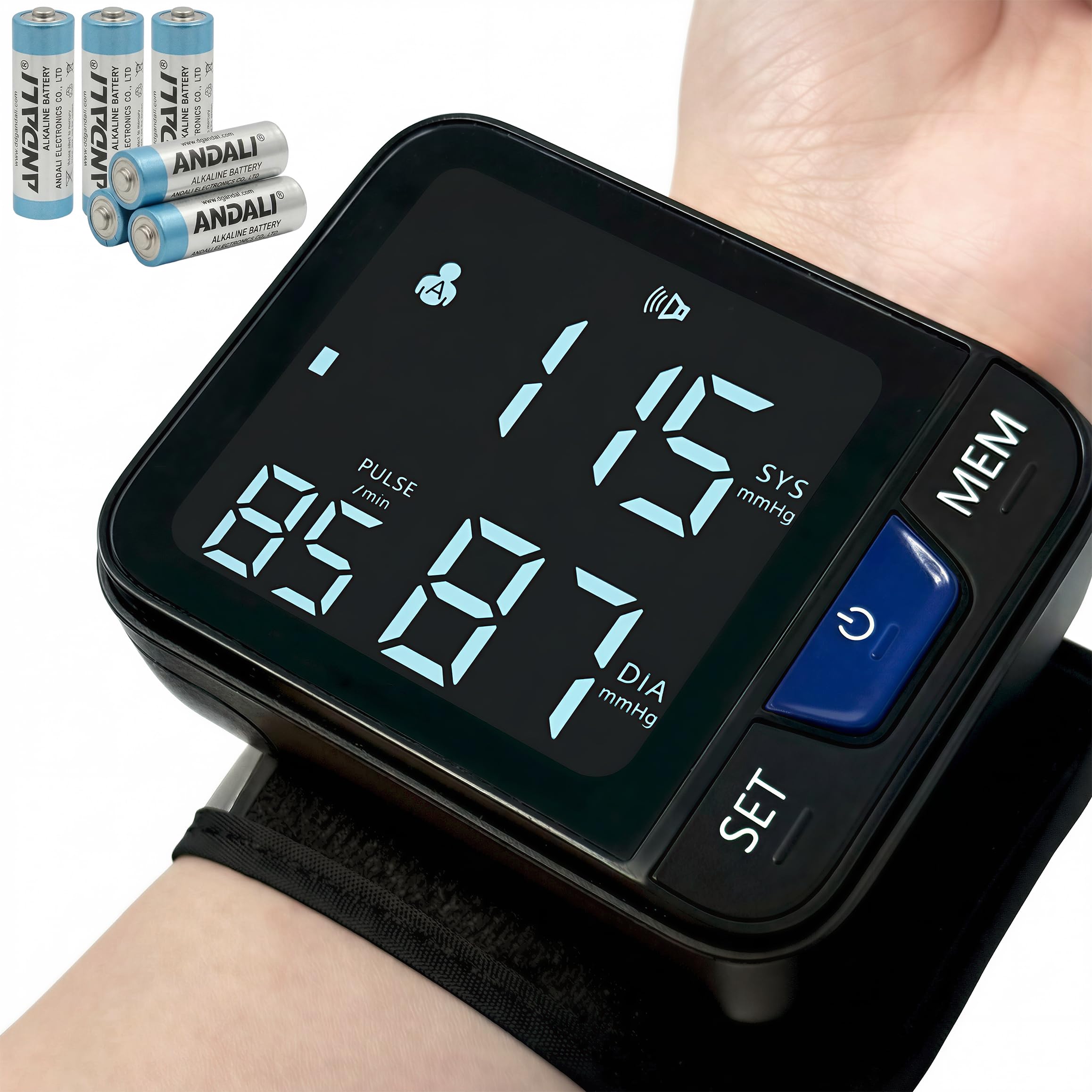
| Wrist BP Monitor (IIF)Best for Low Light | Seniors and low light | Wrist cuff | 240 readings, 2 users | — | Amazon |
| Wearpulse Oximeter | Oxygen and pulse tracking | Fingertip oximeter | 8 sessions | USB Type-C recharge | Amazon |
| easy@Home Bluetooth Monitor | Budget home cuff | Upper arm cuff | 120 readings, 2 users | 3 AA batteries | Amazon |
| Wrist BP Monitor (AOJ) | Travel and dual power | Wrist cuff | 2×99 readings | AAA or Type-C | Amazon |
| OMRON Silver | Long-term trend tracking | Upper arm cuff | App, unlimited | 4 AA batteries | Amazon |
| Manhero Oximeter | Overnight SpO2 logging | Fingertip oximeter | 500 data storage | AC or AA batteries | Amazon |
Detailed Reviews
1. Meraw Blood Pressure Monitor
Our pick — 4.5+★ from 1,500+ verified ratings; the strongest balance of quality and price.
A wide arm cuff plus Bluetooth trends — the pick that covers the whole household.
The cuff fits upper arms from 8.7″ to 16.5″ (22–42 cm), so most adults in one home can share it without a second device. A built-in pump pushes to a 400mmHg maximum inflation pressure, which is the ceiling it can reach to get a reading on a larger arm.
Readings sync over Bluetooth to the free Meraw Health app, where you can see history and share reports with family or a doctor. What wins people over is that day-to-day simplicity — it stores, tracks, and hands over data without extra steps.
The honest catch is accuracy: it is the most-discussed topic here and the reviews split both ways. Treat one reading as a snapshot, not a verdict, and compare a few sessions before drawing conclusions.
Why it earns top spot
- Wide 8.7″–16.5″ cuff covers most adult arms
- Bluetooth app history you can share with a doctor
What to keep in mind
- Accuracy is genuinely mixed — read a trend, not a single result
Reach for this if: you want one arm cuff the whole family can use with phone tracking.
Look elsewhere if: you need lab-grade consistency from a single press.
2. Wrist Blood Pressure Monitor (IIF)
Built for eyes that struggle — big digits and a voice that reads your numbers aloud.
A one-touch inflation system finishes each measurement in about 25 seconds, which keeps the cuff squeeze short. The backlit display uses extra-large digits, and a voice broadcast reads the result out loud — useful if you or a parent find small screens hard to see.
Memory splits two ways: 240 records total at 120 per user, so a couple can track separately without mixing data. It also flags irregular heartbeats, an alert worth mentioning to your doctor rather than acting on alone.
The wrist format is compact and easier to carry than a bulky arm unit. At 3.6 ounces it slips into a bag for travel. Weigh this against the arm monitors here — wrist placement is less forgiving of position.
Who it suits: a senior who needs large type and spoken numbers, or a couple sharing one device.
The trade-off: wrist cuffs demand a steady, raised wrist position — a shaky placement can skew a reading.
Best matched to: low-vision users who want to hear their reading, not squint at it.
Think twice if: you want the arm-cuff placement most clinicians prefer.
3. Wearpulse Rechargeable Pulse Oximeter
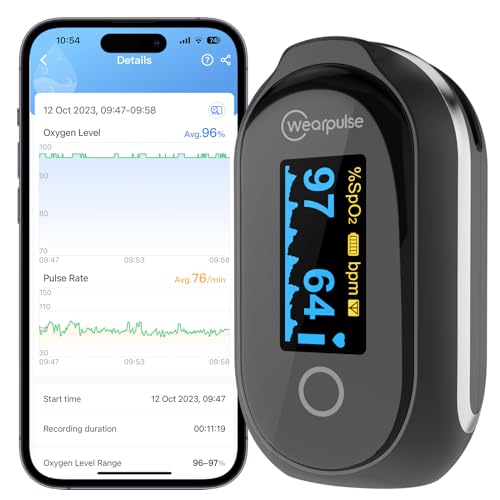
A fingertip device that tracks oxygen and pulse — not blood pressure, and it says so.
This is the honest answer to a “fingertip blood pressure monitor” search: it reads SpO2 across 70%–100% and pulse rate, not cuff pressure. Oxygen accuracy is listed within ±2% and pulse within ±2 bpm, which is the margin you can expect on a fingertip reading.
Battery runs up to 15 hours per charge over USB Type-C, and it stores up to 8 sessions of 10 hours each. The app pulls that data into CSV or PDF reports, so a night of tracking becomes something you can hand over. What buyers lean on most is simply that it keeps working session after session.
One caveat: charging is the weak point — some units stop taking a charge after a few uses. The maker also states plainly that this is a sports and aviation device, not a medical one.
The real fit: athletes, flyers, or anyone logging oxygen trends who understands this is not a blood pressure cuff.
Honest limit: recharge reliability is a gamble on some units, and it is not intended for medical diagnosis.
Choose it for: oxygen and pulse logging with exportable reports.
Not for: anyone who needs actual blood pressure numbers.
4. easy@Home Bluetooth Blood Pressure Monitor
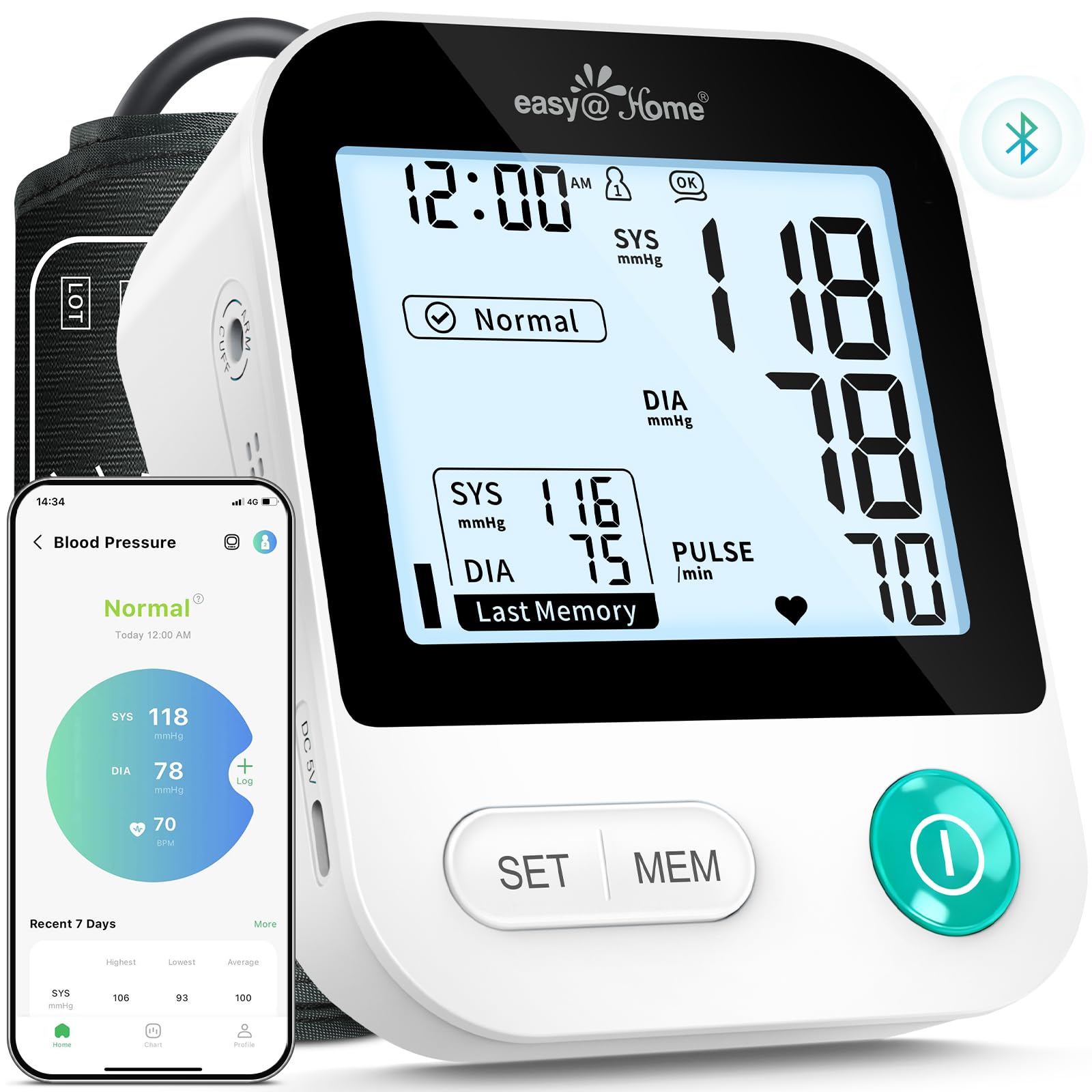
The entry-level arm cuff that keeps the basics clean and the setup simple.
One button inflates and deflates automatically, and a self-checking cuff nudges you toward correct placement.
The same 8.7″–16.5″ (22–42 cm) cuff range covers most adult arms. Two user profiles hold 120 readings each, so a partner can track alongside you. Readings push to the free MyHeartPal app over Bluetooth; the device itself does not show stored history.
A large backlit LCD keeps numbers readable in dim light. It runs on 3 AA batteries, included, so it works the moment it arrives. This is the sensible budget door into arm-cuff monitoring.
The value read: full arm-cuff basics and app sync at the entry tier, with no fuss.
Small snag: history lives in the app, not on the screen — you need the phone to review past readings.
Good starting point for: a first home cuff without stretching the budget.
Skip if: you want to browse stored readings directly on the device.
5. Wrist Blood Pressure Monitor (AOJ)
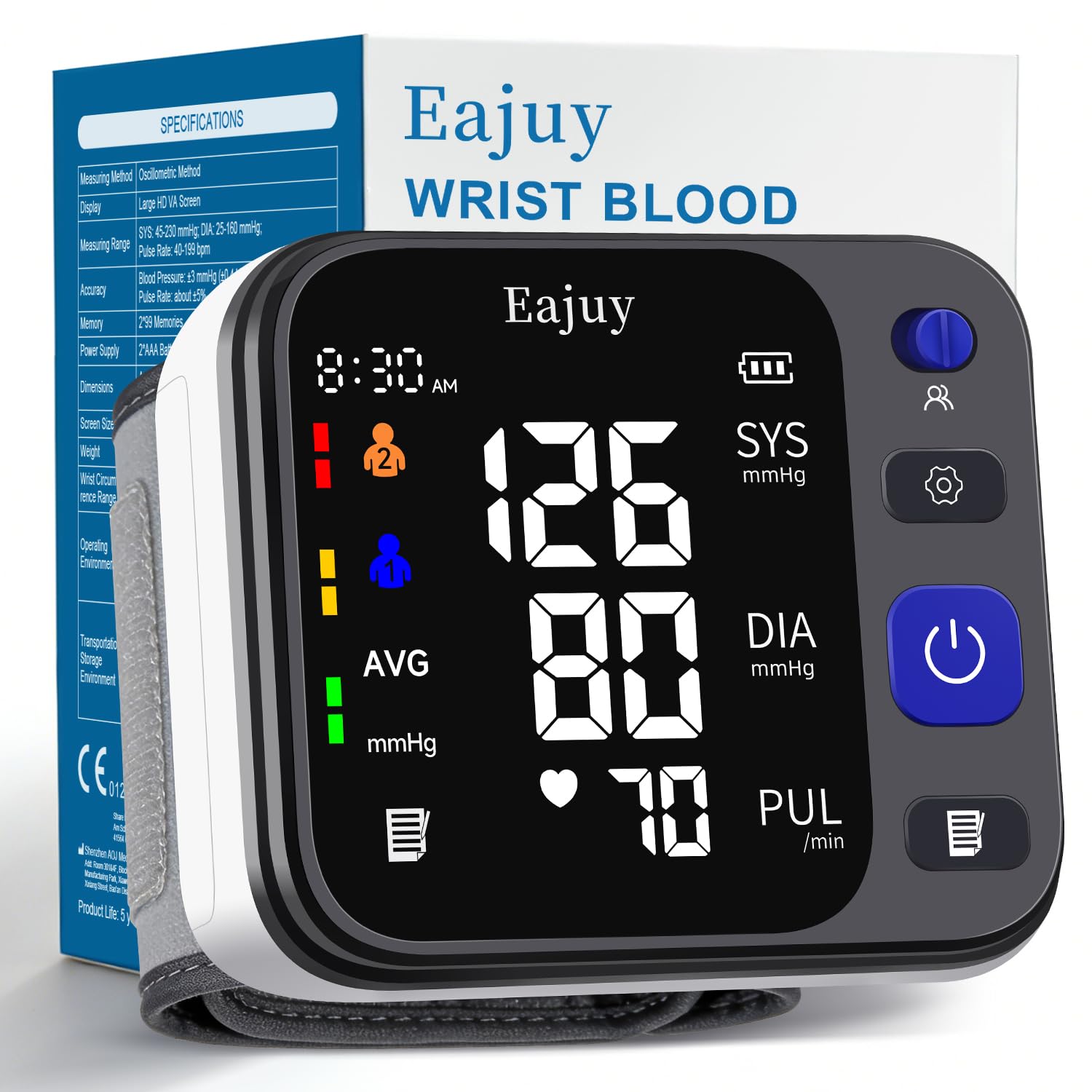
A travel-first wrist cuff with two ways to power it and a colour-coded readout.
The wristband fits 5.3″–7.7″ wrists, so check your measurement before buying — a snug fit is what makes a wrist reading behave. Power is flexible: two AAA batteries or a Type-C cable, so a dead battery never sidelines it on a trip.
A three-colour indicator flags your blood pressure level at a glance, and the backlight adjusts to the room. Dual-user mode stores 2×99 readings, keeping two people’s data apart. Ease of use is the strong suit — press one raised button and it measures.
Where it wobbles is accuracy, the most-discussed topic, and the split is real. Treat it as a convenience tracker for travel, and lean on an arm cuff for anything you plan to show a doctor.
Where it shines
- Runs on AAA batteries or USB Type-C
- Colour indicator makes the result easy to grasp
Where it strains
- Accuracy is genuinely mixed, and it is not a cheap unit for the risk
Worth it for: frequent travellers who want readings on the road.
Pass if: you need dependable numbers you can trust at home.
6. OMRON Silver Blood Pressure Monitor
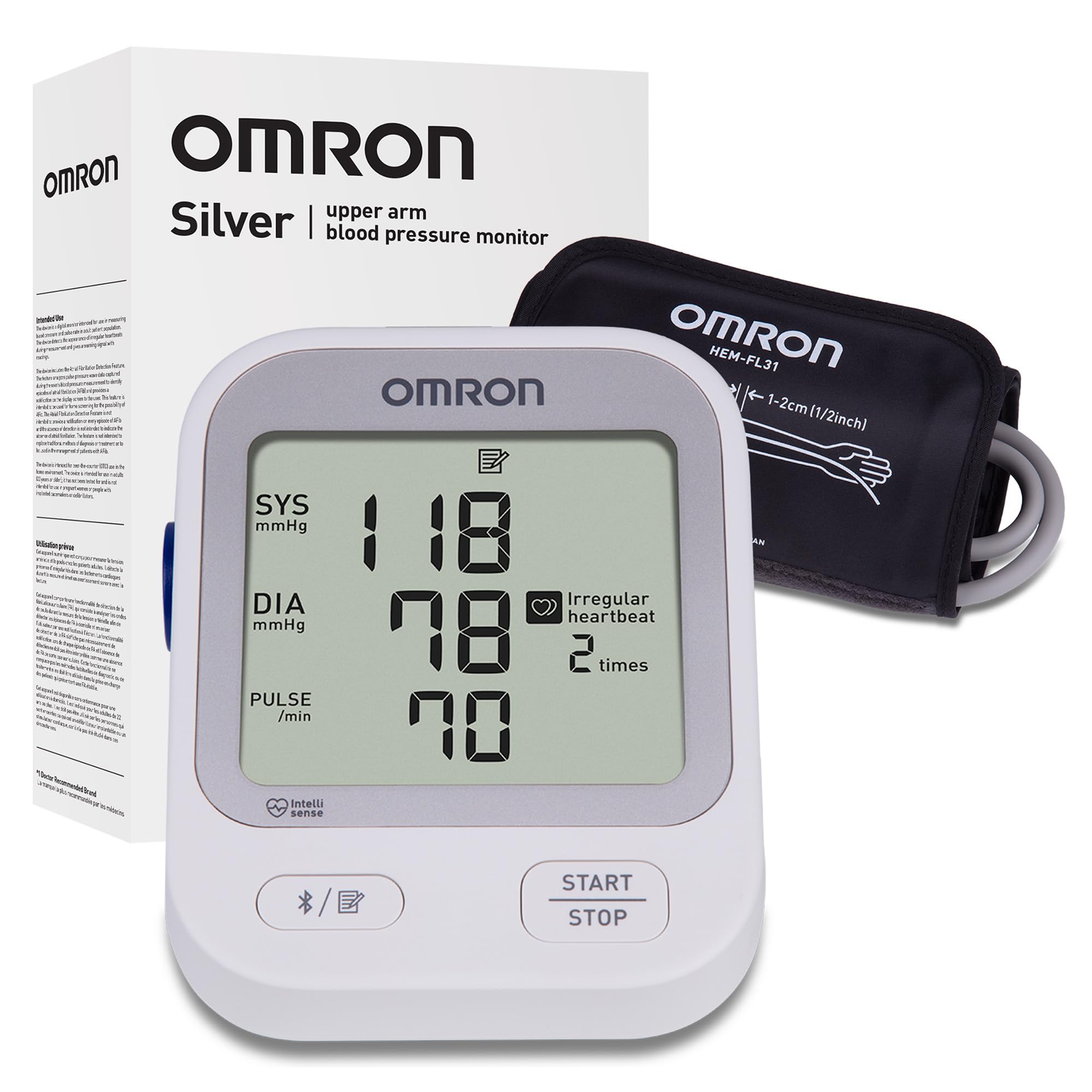
The big-name arm cuff that turns stored numbers into doctor-ready trends.
The 9″–17″ ComFit cuff is a shade wider than the easy@Home cuff, so it reaches larger arms more comfortably. On the device it holds up to 30 readings, but the free OMRON Connect app stores unlimited readings and exports reports — that is where the long game lives.
An irregular heartbeat counter flags up to three irregular beats during a measurement, and a hypertension indicator warns when your pressure runs improve. Bluetooth syncs to Apple Health and Google Fit, so trends follow you across apps.
Quality is what people talk about most here, and it holds up. The caveat is the cuff fit for some arms, which a few find tight or fiddly to adjust — worth checking the 9″–17″ range against your own measurement.
The long-term case: unlimited app history and cross-app sync make it the easiest to keep a genuine record.
Be aware: cuff fit is hit-or-miss for some arm shapes, so measure first.
Choose it for: serious long-term tracking your doctor can read at a glance.
Look past it if: you want a compact device for travel.
7. Manhero Continuous Pulse Oximeter Fingertip
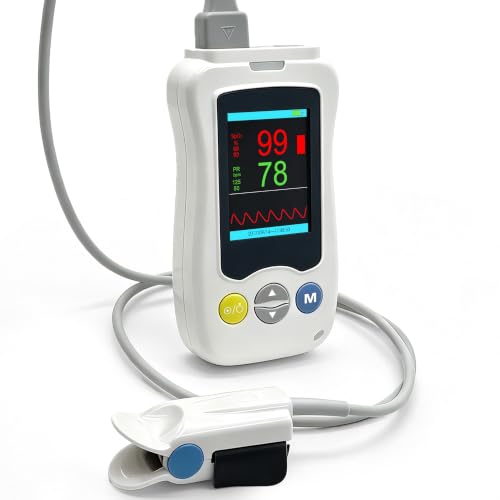
A fingertip oximeter built for long sessions, with alarms you set yourself.
It tracks SpO2 across 70%–100% at ±1% and heart rate from 25–250 bpm at ±1 bpm. On a 2.4-inch HD screen it also draws a real-time pulse wave, so you can eyeball signal strength instead of trusting a number blindly.
Set your own safe ranges and it sounds a loud alarm when readings drift out of them. Storage holds 500 readings, and it can run from AC power or AA batteries — useful for an overnight log where battery life would otherwise cut you off.
Because of that battery concern and reliability questions, this is a specialised tool, not a first purchase. It is also an oximeter: no blood pressure readings here, and the maker directs use only as a physician advises.
what separates it
- 500-reading storage plus a pulse wave display
- Plug-in or battery power for long sessions
The honest cost
- Battery life and dependability are the weak spots for the outlay
Best matched to: continuous overnight oxygen logging with alerts.
Not the pick if: you want a simple, budget-friendly oxygen check.
Know the Specs
Cuff range
This is the arm or wrist circumference a monitor is built to fit — an arm cuff listed for 8.7″–16.5″ covers most adults, while a wristband runs smaller, so measure before you buy.
SpO2 accuracy
This is the margin on a fingertip oxygen reading — a ±1% or ±2% figure tells you how close the number sits to a reference, and it measures oxygen, never blood pressure.
Common Questions
Do any fingertip devices actually measure blood pressure?
Will an 8.7″–16.5″ arm cuff fit me?
How many readings should a home monitor store?
The Bottom Line
For a genuine blood pressure reading, the Meraw arm monitor wins — a wide 8.7″–16.5″ cuff and Bluetooth trends cover the whole household. If you need real long-term history, the OMRON Silver adds unlimited app storage. And if your goal was oxygen and pulse all along, the Wearpulse oximeter is the honest fingertip choice.
How we choose
We do not accept paid placement. Every pick is matched to a real buyer and a real use-case; we do not hands-on test units.
Sources
Specifications: manufacturer listings and product documentation. Review insights: verified customer reviews, as of November 2026. Pricing: not shown on this page (it changes often); check the current price via the retailer link.
As an Amazon Associate, My Heart Lives Here earns from qualifying purchases. This does not affect which products we feature.