Heads up: This post contains affiliate links. As an Amazon Associate I earn from qualifying purchases, at no extra cost to you. Learn more
Specs are compiled from manufacturer listings and verified buyer reviews and can change over time — please confirm the key details on the product page before buying.
A Zone 5 garden needs plants that shrug off hard winters and still look alive in February. These picks earn their place by staying green, holding shape, and coming back strong after the cold.
This guide is built by comparing the manufacturers’ published specifications and the patterns across verified customer reviews, so you get each pick’s real strengths and trade-offs instead of marketing spin.
A practical shortlist of evergreen shrubs that hold their color and shape through cold Zone 5 winters. Here is the best evergreen shrubs zone 5 shortlist for structure, berries and year-round interest.
Top Picks
Side-by-Side Comparison
| Model | Best For | Mature Size | Hardy Zones | Foliage | Amazon |
|---|---|---|---|---|---|
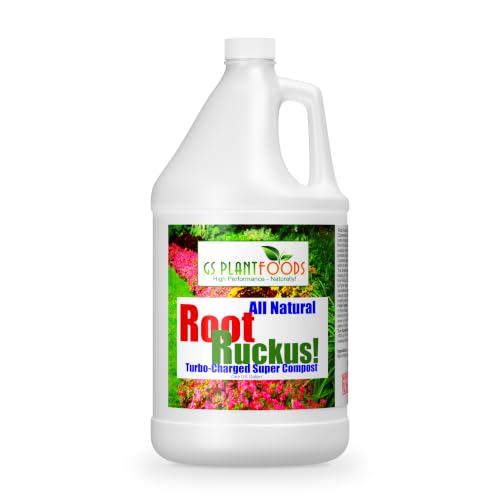
| GS Plant Foods Root Ruckus Liquid Compost 1 Gal★ Best Overall | Feeding new plantings | Full bed coverage | For shrubs and lawns | Liquid concentrate | Amazon |
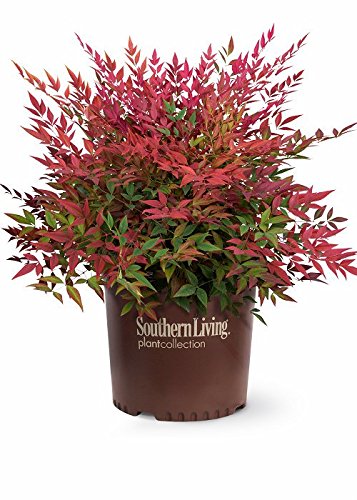
| Obsession Nandina 2.5 QuartBest Color | Colored foliage | 3-4 ft | Zones 6-10 | Red new growth | Amazon |
| Ilex X meserveae Blue Princess #2 | Winter berries | 12 ft | Zones 5-8 | Red berries | Amazon |
| Rhododendron Aglo #2 | Spring flowers | 5-6 ft | Zones 4-8 | Pink blooms | Amazon |
| Pieris jap. Cavatine #2 | Small spaces | 2 ft | Zones 5-8 | White bells | Amazon |
| Picea glauca Conica #2 | Year-round shape | 6-8 ft | Zones 3-8 | Conical form | Amazon |
| Buxus Cranberry Creek #2 Gallon | Borders and foundations | 4-5 ft | Zones 4-8 | Pyramid form | Amazon |
Detailed Reviews
1. GS Plant Foods Root Ruckus Liquid Compost 1 Gal
Our pick — 4.5+★ from 950+ verified ratings; the strongest balance of quality and price.
A jug of concentrated soil food that feeds the whole bed, shrubs included.
This is the soil-side helper rather than a plant: a concentrated liquid compost built on humic acid, sea kelp and mycorrhizal fungi. Mix it with water and spray or pour it around your shrubs instead of hauling bags of compost.
What wins people over is how easy it is to use and how visibly plants respond, with lawns greening up and shrubs pushing new growth. The honest trade-off is the odor, which some find noticeable when mixing.
Why it works
- Simple mixing and spraying
- Feeds soil around shrubs
Watch the smell
- Odor is noticeable when mixing
New beds: Gardeners planting or feeding shrubs
Odor: Strong smell while mixing
2. Obsession Nandina 2.5 Quart
A nandina that flushes brilliant red new growth against green.
Obsession nandina earns its spot for foliage color, shifting from green through burgundy to vivid red on a compact plant. It is rated for zones 6 to 10 and reaches roughly 3 to 4 feet tall and wide.
Owners consistently praise its appearance and health on arrival. The trade-off is hardiness: this one is not rated for Zone 5, so treat it as a warmer-climate choice or a protected spot.
What shines
- Striking red new growth
- Compact size
Zone limits
- Not rated for Zone 5
Warmer gardens: Growers in zone 6 and up
Cold: Not hardy in Zone 5
3. Ilex X meserveae Blue Princess #2

A blue holly that brings red berries and a big evergreen frame.
Blue Princess holly is rated for zones 5 to 8, so it suits cold gardens, and it matures to a substantial 12 feet tall with a 9-foot spread. Red berries arrive in late fall into early winter against dark foliage.
Owners describe these as spectacular, healthy and large, and the berries are a recurring favorite. The trade-off is space: give this one room, because it grows into a real specimen.
Why it earns a spot
- Berries in late fall
- Big evergreen structure
Needs room
- Large mature size
Space: Gardeners with room to fill
Size: Grows to 12 feet tall
4. Rhododendron Aglo #2

A rhododendron that nearly buries its branches in pink each spring.
Aglo rhododendron is rated for zones 4 to 8 and matures to 5 to 6 feet tall and wide. Pink flowers nearly cover the branches in early season, giving an evergreen shrub a real flowering moment.
Owners find it healthy and beautiful, praising both appearance and quality. The trade-off is modest: it wants moderate watering and a spot out of harsh drying wind to look its best.
What to love
- Heavy pink bloom
- Hardy to zone 4
Watering
- Wants moderate moisture
Flowers: Gardeners wanting spring color
Moisture: Needs consistent watering
5. Pieris jap. Cavatine #2

A dwarf andromeda with white bell blooms and a neat, tight shape.
Cavatine pieris is rated for zones 5 to 8 and stays small, maturing around 2 feet tall with a 2 to 3 foot spread. White bell-like flowers open in April, and the growth habit is notably tight and compact.
Owners call it high quality, very healthy and beautiful. The trade-off is that its small stature means it will not anchor a large bed on its own; it is a front-of-border or foundation plant.
Why it fits
- Compact tight habit
- Spring bell flowers
Small scale
- Too small to anchor a bed
Tight spaces: Foundation and border plantings
Scale: Stays very small
6. Picea glauca Conica #2

The cone-shaped spruce that gives a bed its winter backbone.
Dwarf Alberta spruce is rated for zones 3 to 8, so cold is no problem, and it matures to 6 to 8 feet tall with a 3 to 4 foot spread. Its low, conical form is why it shows up in landscapes everywhere.
Owners describe it as fantastic, beautiful and healthy with new growth starting, though size and durability draw mixed reports, with some arriving smaller than expected and an occasional plant failing. Buy from a reputable source and plant promptly.
What stands out
- Reliable conical shape
- Very cold hardy
Variable results
- Size and durability vary
Cold: Gardeners in the coldest zones
Consistency: Some arrive small or fail
7. Buxus Cranberry Creek #2 Gallon
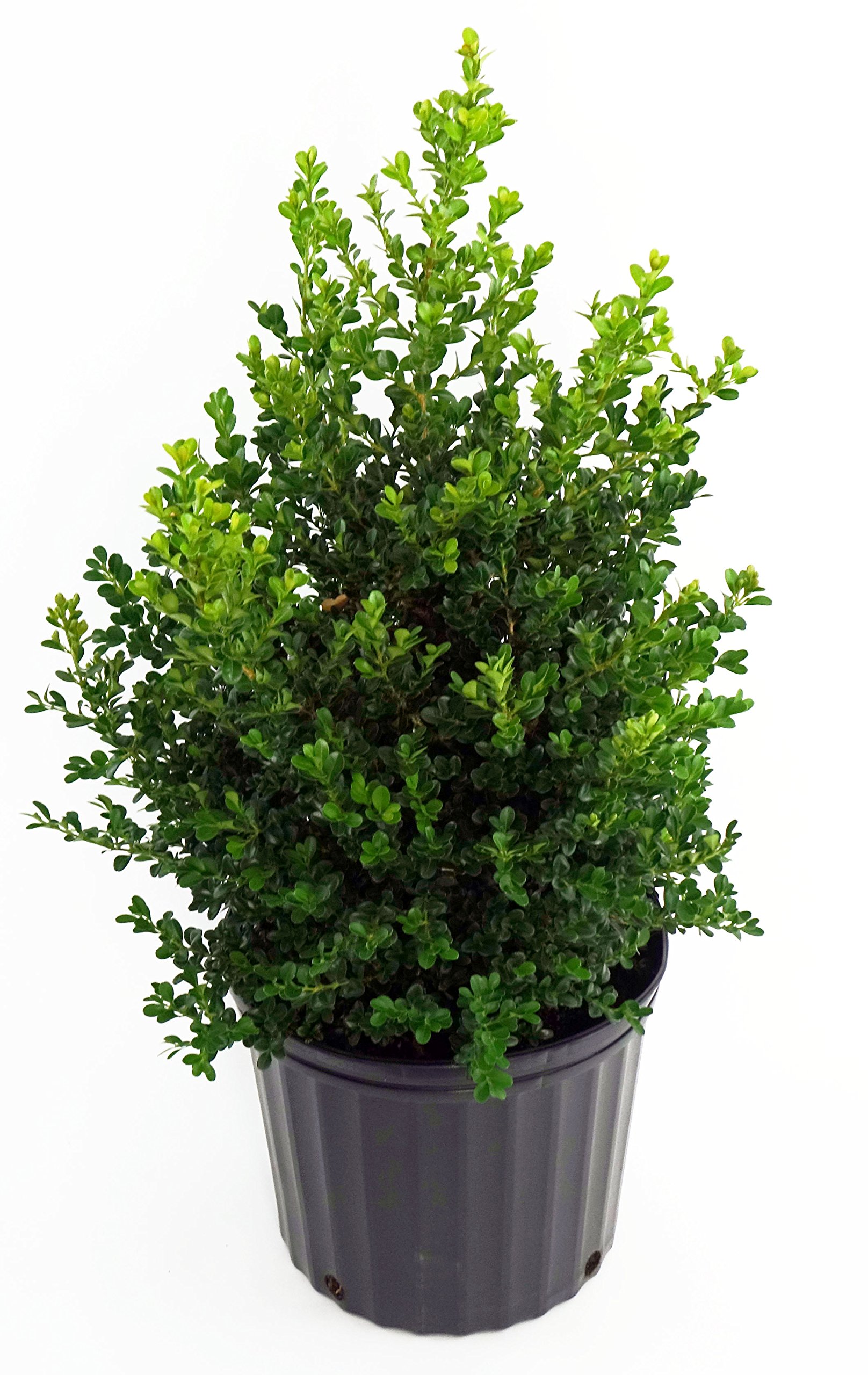
A pyramid boxwood with lustrous deep green foliage all year.
Cranberry Creek boxwood is rated for zones 4 to 8 and matures to 4 to 5 feet tall with a 3 to 4 foot spread. Its deep green, lustrous foliage holds year-round in a neat pyramid form that suits borders and foundations.
It is also noted as deer resistant, which matters in cold-climate gardens. The trade-off is that this is a newer listing with limited owner feedback, so treat the early praise as promising rather than proven.
Why it works
- Neat pyramid shape
- Deer resistant
New listing
- Limited owner feedback
Formal lines: Hedges and foundation beds
Track record: Few reviews so far
Common Questions
Do these evergreens survive Zone 5 winters?
How big should I expect these shrubs to get?
When is the best time to plant evergreen shrubs?
The Bottom Line
Across the board, the best evergreen shrubs zone 5 winner is the GS Plant Foods Root Ruckus Liquid Compost: Humic, Kelp & Mycorrhizae 1 Gal because It feeds the soil around every shrub in the bed, so new evergreens establish faster with one easy mix-and-spray step. If you want winter berries, look at Ilex X meserveae ‘Blue Princess’ (Blue Holly) Evergreen, #2 – Size Container; for a tight dwarf in a small bed, Pieris jap. ‘Cavatine’ (Cavatine Dwarf Andromeda) Evergreen, #2 – Size Container is the pick, and Picea glauca ‘Conica’ (Dwarf Alberta Spruce) Evergreen, #2 – Size Container gives the coldest gardens a reliable cone. Live Plant from Green Promise Farms – Buxus Cranberry Creek (Boxwood), #2 Gallon Size Container, Evergreen suits formal borders and foundations.
How we choose
We do not accept paid placement. Every pick is matched to a real buyer and a real use-case; we do not hands-on test units.
Sources
Specifications: manufacturer listings and product documentation. Review insights: verified customer reviews, as of November 2026. Pricing: not shown on this page (it changes often); check the current price via the retailer link.
As an Amazon Associate, My Heart Lives Here earns from qualifying purchases. This does not affect which products we feature.