Heads up: This post contains affiliate links. As an Amazon Associate I earn from qualifying purchases, at no extra cost to you. Learn more
Specs are compiled from manufacturer listings and verified buyer reviews and can change over time — please confirm the key details on the product page before buying.
If you are caring for a wound with pale, stringy tissue sitting in it, you want a dressing that softens that tissue so it can be lifted clear — and that comes away without tearing the healthy skin underneath. The short answer: pick by how wet the wound is. A soaked, heavily draining wound needs a super-absorbent foam with a silicone border, a dry or crusty wound needs moisture donated back to it, and a sloughy wound that keeps re-forming does well with a honey or alginate pad that clears debris while it holds liquid.
This guide is built by comparing the manufacturers’ published specifications and the patterns across verified customer reviews, so you get each pick’s real strengths and trade-offs instead of marketing spin.
Slough is the soft yellow or grey film that clings to a healing wound bed, and the right dressing hydrates it until it lifts instead of pulling it off. Below you’ll find a shortlist of the dressing to remove slough options that handle that job through moisture control.
Top Picks
How To Choose The Best Dressing to Remove Slough
A slough-removing dressing does not scrub the wound bed. It is to keep the wound bed wet enough that dead tissue softens and lets go, while pulling away the extra fluid that would otherwise drown the surrounding skin. Get that balance right and the slough softens and lifts a little more at each dressing change. Get it wrong in either direction — too dry or too wet — and the film either crusts over or the whole area turns soggy.
Match the dressing to how much the wound is draining
A wound that soaks through a pad in a day is a wet wound. For that you want a foam with a super-absorbent layer, because it traps fluid inside the pad instead of letting it sit against the skin. A wound that looks dry, tight or crusted needs the opposite: a gel or a honey pad that gives moisture back so the slough can loosen instead of cracking.
Look hard at the border and the backing before you buy
A bordered sacral dressing is a single piece that sticks around the wound, so you are not taping a loose pad over a curved area like the tailbone. The backing matters too: a semi-permeable PU film (a thin outer sheet that blocks liquid but lets vapour pass) keeps outside moisture out while letting the wound breathe. Plain gauze pads usually need separate tape to hold them, which is worth knowing if you are changing them several times a day.
Plan for removal, not just application
A dressing that grips the wound bed will tear away newly formed tissue every time you change it, and that is the fastest way to keep slough coming back. Silicone and honey-based pads are built to sit on wet tissue without bonding to it. That non-stick removal often matters more to comfort and healing than any absorbency figure on the box.
Side-by-Side Comparison
| Model | Best For | Format | Pad Size | Pieces per Box | Amazon |
|---|---|---|---|---|---|
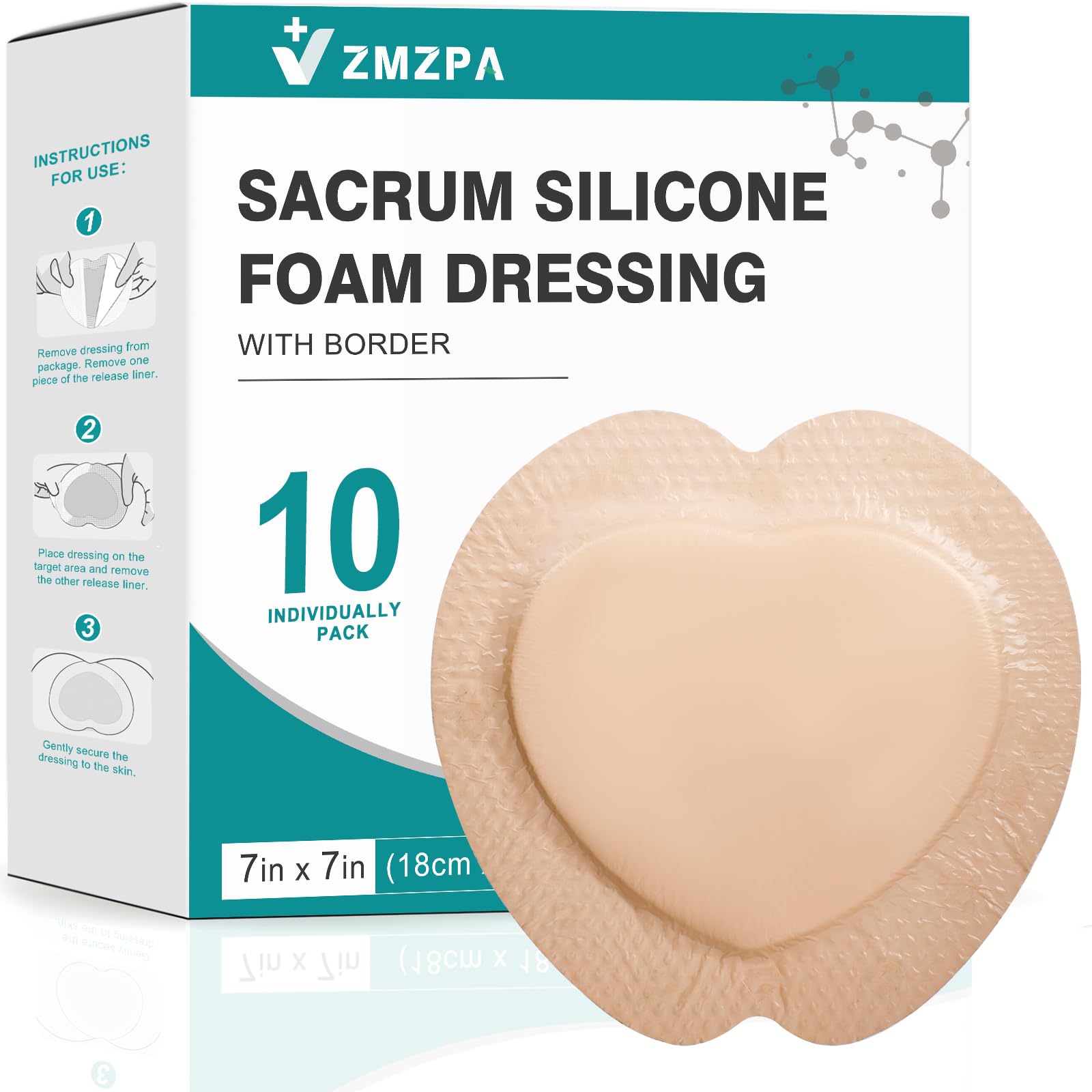
| Sacral Foam Dressing with Border★ Best Overall | Sacral and buttock wounds with drainage | Bordered silicone foam | 7″ x 7″ | 10 | Amazon |
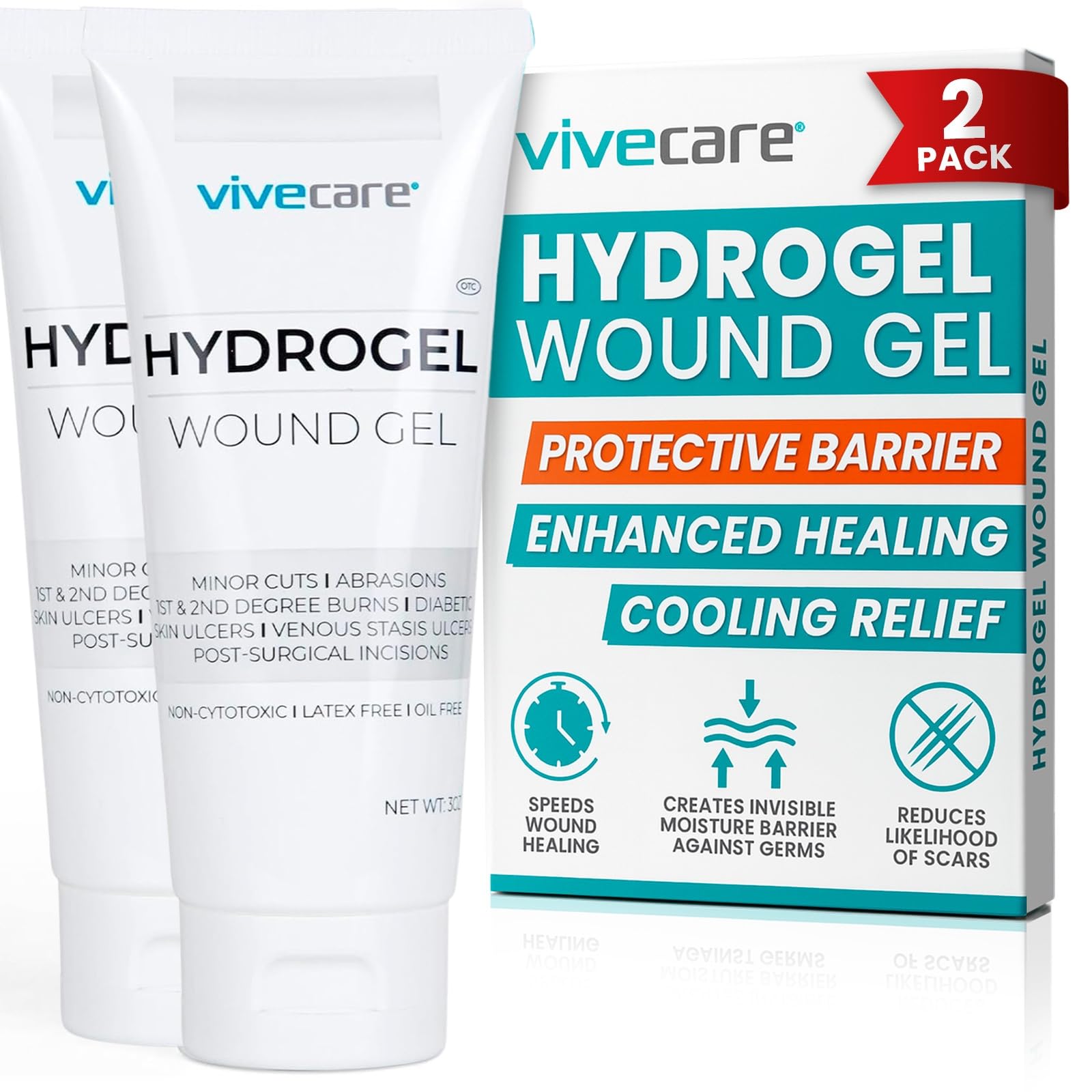
| ViveCare Hydrogel Wound DressingBest for Dry Wound Beds | Dry, crusted or delicate wound beds | Gel in a tube | 3 Oz tube | 1 tube | Amazon |
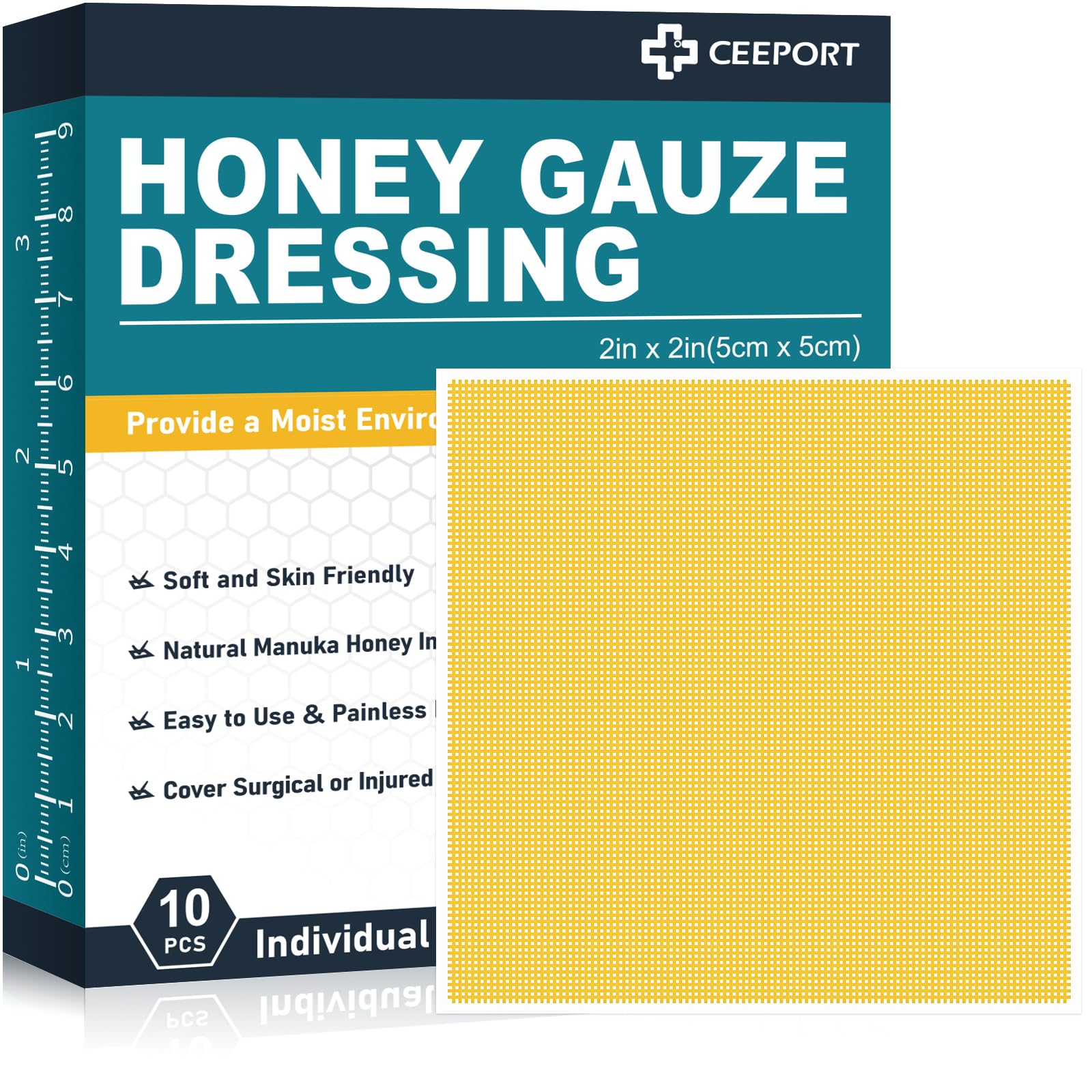
| Manuka Honey Gauze Wound Dressing | Small superficial sloughy patches | Honey gauze pad | 2″ x 2″ | 10 | Amazon |
| Dr. Med Manuka Honey Calcium Alginate | Wet, debris-heavy wounds | Honey calcium alginate pad | 2″ x 2″ | 10 | Amazon |
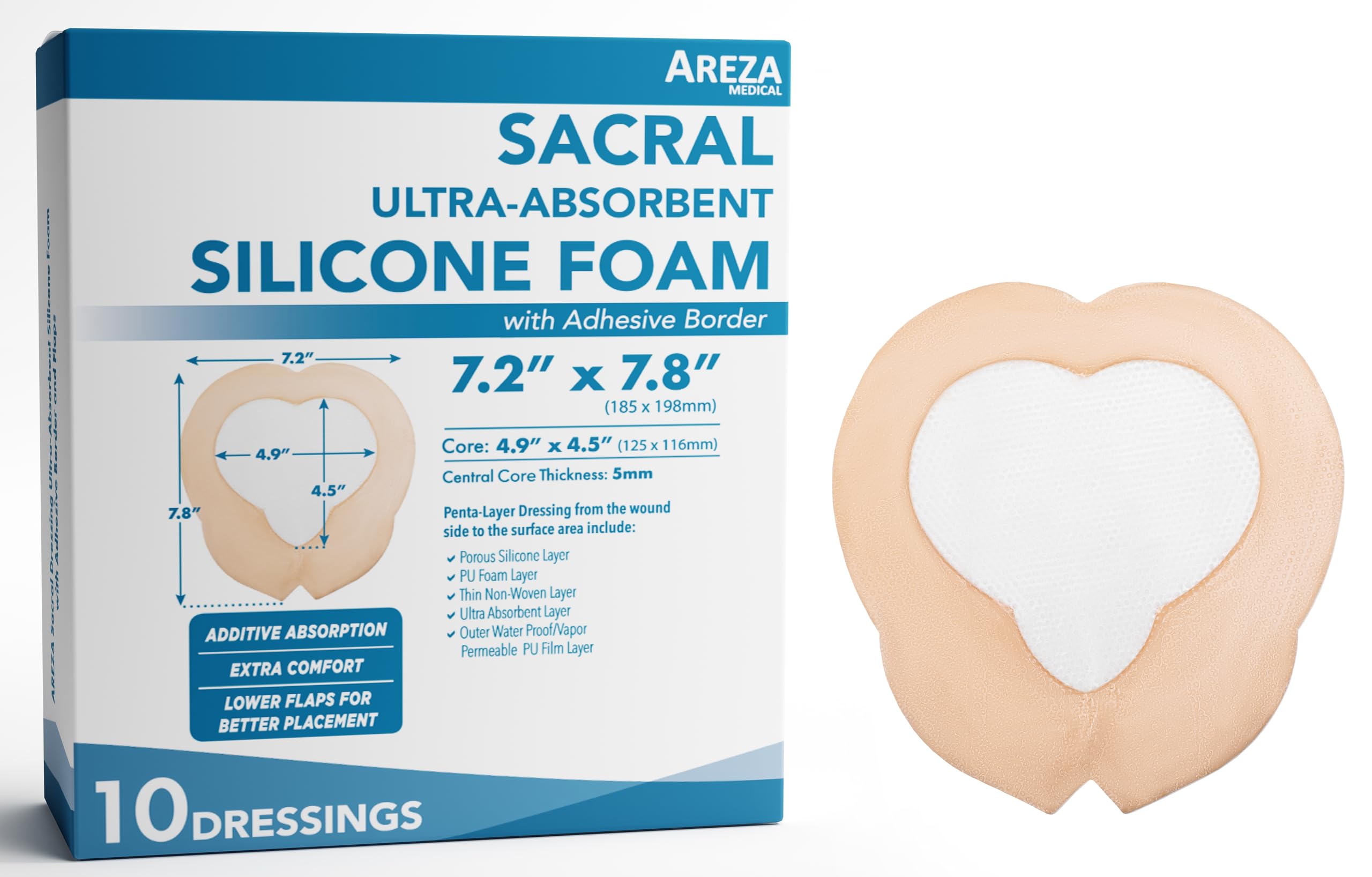
| Areza Medical Silicone Foam | Large sacral wounds needing coverage | Bordered silicone foam | 7.2″ x 7.8″ | 10 | Amazon |
Detailed Reviews
1. Sacral Foam Dressing 7×7
Our pick — 4.5+★ from 1,000+ verified ratings; the strongest balance of quality and price.
A bordered sacral pad that swallows drainage and still peels off without a fight.
The number worth starting with is 15x — this dressing is built to absorb fifteen times its own weight in wound fluid. That matters for slough because a wound that stays wet is a wound where the soft tissue keeps loosening instead of drying into a hard crust. The 4-layer build pairs a foam core with a fluid-lock layer, so the moisture is pulled into the pad and held away from the skin around the wound.
Reviewers single out the build quality, and the 7″ x 7″ size is a big part of the appeal. At 7″ x 7″ with a 5.3″ x 4.3″ absorbent pad, it covers a sacral or buttock wound in one piece rather than a patchwork of small pads. Set that against the Manuka Honey Gauze at 2″ x 2″ and the difference is obvious: this is a coverage dressing, not a spot dressing. It fits Stage 1 to Stage 4 sacral wounds, surgical incisions and burns according to the maker.
The catch is adhesion, and it is the one thing to plan around. Some users find the border holds firmly through the night; others find it lifts and needs extra tape over the top. If your skin is very moist or very creased in that area, buy a roll of medical tape at the same time. The other honest note is cost — a box of ten bordered dressings is a bigger outlay than loose pads, so daily changes add up faster. For a wound this size, though, one piece beats three small ones.
What earns the top spot
- Absorbs 15x its weight in fluid, keeping a wet sloughy wound bed under control
- 7″ x 7″ pad with a 5.3″ x 4.3″ absorbent centre covers a full sacral wound
- Medical-grade silicone border sticks to dry skin and not to the wound
- Semi-permeable PU film blocks outside liquid while letting vapour escape
- Ten dressings per box, each sterile and ready to apply
Where it asks more of you
- Border adhesion is inconsistent on very moist or creased skin
- A premium outlay per box compared with loose gauze pads
Made for: a sacral or buttock wound with real drainage that needs one-piece coverage and gentle changes.
Think twice if: you are dressing a small, shallow patch — a 2″ x 2″ pad will do that job for less.
2. ViveCare Hydrogel Wound Dressing (3 Oz Tube)
The one that gives moisture back, for slough that has dried into a tight film.
Slough does not always sit in a puddle. On a drier wound it sets into a leathery sheet that no absorbent pad will shift, because there is nothing to absorb. That is the situation this 3 oz tube is built for. The gel is made from hydroxyethyl cellulose and glycerin — a plant-derived gelling agent plus a moisture-holding ingredient — so it rehydrates the wound bed and softens the film from underneath.
Two additions are worth naming. Allantoin and schizophyllan are included to support cell growth, and the maker states the gel aids in removing necrotic tissue. Applied as a layer, it also forms a protective coating over the wound, which keeps the surface from drying out between changes. The oil-free gel cools and soothes without leaving a greasy film on the surrounding skin or the bedding.
The honest trade-off is skin sensitivity. A hydrogel that is doing its job adds moisture, and on already-irritated skin that can read as itching or a burning sensation when first applied. Test a small area first if the skin around the wound is fragile. The other thing to know is that a tube is a single product, not a dressing — you will still need a cover pad and tape over the gel unless your care plan says otherwise. In return, one 3 oz tube covers several dressing changes rather than a single application.
Why it earns its place: a 3 oz tube delivers repeat applications for wounds that need moisture donated back, and a little goes a long way across changes.
One honest adjustment: plan on an outer cover dressing, since the gel itself is not self-adhesive.
Reach for it when: the wound looks dry and crusted and you need it softened before anything will lift.
Look elsewhere if: the wound is already heavily draining and needs fluid taken away, not added.
3. Manuka Honey Gauze Wound Dressing 2″ x 2″
A tiny honey-soaked square that comes away without sticking to the wound.
At 2″ x 2″ this pad is the smallest thing on the list, and that is the point. It is a natural option made with Manuka honey from New Zealand on a textile gauze base, with no chemical additives in the mix. The honey draws fluid from the wound bed and keeps the contact layer moist, the condition that lets slough soften and separate instead of clinging.
It handles one of slough’s less pleasant side effects too. The maker states the pad forms a barrier that reduces the odour often associated with a wound. It is also easy to cut — a pair of clean scissors lets you trim a 2″ x 2″ pad down to a small abrasion or a narrow post-procedure line, so one box covers several differently sized spots. Each piece is individually wrapped, which keeps the pads clean between uses and makes them easy to drop into a first-aid kit.
There is a practical step people miss: this pad has no adhesive border of its own. The manufacturer says to hold it in place with a separate bandage or tape, so budget for that. The other limit is size — a 2″ x 2″ pad simply does not cover a sacral or heel wound, no matter how well the honey works, so this is a spot treatment rather than a coverage dressing.
Best for: small cuts, scrapes and post-procedure lines where a tiny moist pad does the work.
Pair it with: a roll of tape or a secondary bandage, because the pad will not stay put on its own.
4. Dr. Med Manuka Honey Calcium Alginate Dressing 2″x2″

Honey and alginate together, built for the messy middle of a sloughy wound.
This is the pad you want when the wound is both wet and cluttered with debris. The active layer combines honey with calcium alginate in gel form — alginate is a seaweed-derived fibre that turns into a soft gel as it soaks up fluid. The maker pitches it as highly absorbent and gentler than plain gauze, and the gel it forms over the wound bed is what keeps the surface moist enough for dead tissue to release.
Where it beats the smaller honey gauze is drainage handling. The alginate pulls excess fluid away while the honey goes to work on the tissue, so the slough has less chance to re-form between changes. It is listed for diabetic feet, burns, bedsores and venous ulcers. Removal is the other strong point: the pad does not stick to the wound bed, so lifting it stays painless rather than peeling off new tissue every time.
Adhesion is where you need to set expectations. The pad itself has no adhesive border, and a fair number of users find the border does not hold well enough on its own, so a secondary fixation is usually needed. Packaging is compact — the box is 0.79 x 2.36 x 3.54 inches and the whole thing weighs 2.08 ounces — so it stores easily in a drawer and travels well. Each pad is 2″ x 2″ and individually wrapped, and you should discard any whose inner packaging has been opened or damaged.
The core draw: alginate plus honey gives a gelled, moist contact layer that handles drainage and debris in one step.
The wrinkle to plan around: buy tape or a secondary bandage at the same time, because this pad does not anchor itself.
Suits you if: the wound is draining and coated in soft debris and you want one pad doing absorption and moistening.
Step past it if: the wound is dry — alginate needs fluid to turn into the gel that makes it work.
5. Areza Medical Silicone Foam 7.2″ x 7.8″
Bigger than the box suggests, with a thick core that cushions a sacral wound.
Start with the geometry, because it is the whole reason to buy this one. The dressing measures 7.2″ x 7.8″ (185 x 198 mm), and the central absorbent core is 4.9″ x 4.5″ at 5 mm thick. That 5 mm of foam is what gives a sacral wound its padding, and the extra border with lower flaps is shaped to sit where a sacrum curves. It holds more coverage than the Dr. Med 2″ x 2″ pad by a wide margin, which is the difference between covering a bedsore and covering a spot.
The absorbent layer pulls drainage away from the wound bed, and the silicone contact layer only adheres to dry skin around the wound — it does not bond to moist tissue in the centre. That is what lets slough lift over successive changes without the pad ripping at the wound bed each time. Everything in the box of ten is sterile and individually packaged.
Be clear about the waterproof claim before you rely on it. The maker states water does not pass from the exterior into the wound, but it can still get in at the sides. It is not submergible and not intended for showers or swimming, and the instruction is to change it if it gets wet. Sizing is another point to check against your own measurements: a share of users feel the pad runs smaller than the listed figure, so measure the wound first rather than assuming. Adhesion over a full night is variable too, which is common to bordered sacral dressings.
The standout: a 4.9″ x 4.5″ super-absorbent core inside a 7.2″ x 7.8″ bordered pad gives a sacral wound both coverage and cushioning.
The limit to respect: waterproof on the face, not on the sides — treat it as a stay-dry dressing, not a shower-proof one.
Worth it for: a larger sacral bedsore where coverage and a thick padded core matter more than a small pad’s convenience.
Measure before ordering: check the wound against the 4.9″ x 4.5″ core, since the pad reads smaller to some buyers than the listed size.
Know the Specs
Absorbency and the Super-Absorbent Layer
Absorbency is how much fluid a pad takes in before it needs changing. A dressing with a super-absorbent layer traps that fluid inside the pad rather than letting it sit against the skin, which keeps the wound margins from turning soggy. A wet, heavily draining wound needs high absorbency. A dry wound needs none — adding an absorbent pad there just dries the bed further and makes slough harder to shift.
Silicone Contact Layers and Atraumatic Removal
A silicone contact layer is a soft, tacky surface that sticks to dry skin around a wound but not to the wet wound bed itself. That is what makes removal gentle: the pad lifts away instead of bonding to new tissue. It is the single feature that most affects comfort across repeated dressing changes, and it is why bordered silicone foams are often chosen where the same spot is re-dressed day after day.
Honey and Alginate: Two Ways to Loosen Slough
Manuka honey draws fluid and keeps the contact surface moist, so dead tissue softens. Calcium alginate is a fibre that turns into a gel as it absorbs, which both holds drainage and keeps the wound bed wet. A pad that combines the two is doing two jobs at once, which suits a wound that is wet and coated in debris. Plain honey gauze suits a smaller, less draining patch.
Bordered versus Non-Adhesive Pads
A bordered dressing is one piece with an adhesive edge, so it anchors itself around the wound. A plain pad — like the 2″ x 2″ honey and alginate options — has no adhesive of its own and needs tape or a secondary bandage to stay put. Bordered pieces suit curved, awkward spots such as the sacrum. Plain pads suit small, flat spots where you would rather cut the pad to fit and tape it yourself.
Common Questions
Which dressing type actually lifts slough rather than just covering it?
Can I use a sacral foam dressing on a heel or an elbow?
Do I need tape if the dressing already has an adhesive border?
How often should a sloughy wound dressing be changed?
Is a hydrogel better than a honey dressing for removing slough?
Will a waterproof dressing let me shower with the wound covered?
Can I cut a honey or alginate pad to fit a smaller wound?
What does the 5 mm core thickness on a foam dressing do for a bedsore?
Why does my dressing keep coming loose overnight?
Is manuka honey safe to use on broken skin?
The Bottom Line
For most people dealing with a sloughy sacral or buttock wound, the Sacral Foam Dressing with Border is the one to buy — a 7″ x 7″ bordered pad with a 5.3″ x 4.3″ absorbent centre covers the area in one piece and absorbs 15x its weight in fluid, and it is the crowd favourite at 4.5+ stars from over a thousand ratings. If the wound is dry and crusted rather than wet, reach for the ViveCare Hydrogel to put moisture back before anything will lift. For a wet, debris-heavy wound, the Dr. Med Honey Calcium Alginate brings honey and alginate together in one pad. And if you need the largest possible coverage with a padded core, the Areza Medical Silicone Foam is the bigger bordered option, at 7.2″ x 7.8″ with a 5 mm core.
How we choose
We do not accept paid placement. Every pick is matched to a real buyer and a real use-case; we do not hands-on test units.
Sources
Specifications: manufacturer listings and product documentation. Review insights: verified customer reviews, as of November 2026. Pricing: not shown on this page (it changes often); check the current price via the retailer link.
As an Amazon Associate, My Heart Lives Here earns from qualifying purchases. This does not affect which products we feature.