Heads up: This post contains affiliate links. As an Amazon Associate I earn from qualifying purchases, at no extra cost to you. Learn more
Specs are compiled from manufacturer listings and verified buyer reviews and can change over time — please confirm the key details on the product page before buying.
Carrots fail for one boring reason: the plant grows a huge leafy top and a stubby root. The fix is the right balance of potassium and phosphorus in your soil, matched to the crop you are actually growing. Below are five carrot fertilizers that solve that exact problem, sorted by what each one does best.
This guide is built by comparing the manufacturers’ published specifications and the patterns across verified customer reviews, so you get each pick’s real strengths and trade-offs instead of marketing spin.
Each pick below lists its exact NPK ratio, its bag or bottle size, and the honest catch. My goal is simple: help you pick the right carrot fertilizer without wasting a season on the wrong ratio.
Top Picks

How To Choose The Best Carrot Fertilizer
Three numbers on the bag do all the real deciding for a root crop.
The NPK Ratio
Look for low nitrogen and high potassium — nitrogen (the first number) pushes leaf growth, while potassium (the third) pushes the root you actually eat.
Granule Or Liquid?
Granules feed slowly through the soil and suit a pre-seeding bed, while a liquid concentrate absorbs faster for a mid-season top-up.
Bag Size And Coverage
Match the bag weight or fluid ounces to your bed size so you are not left short mid-season or storing a half-used sack for years.
Side-by-Side Comparison
| Model | Best For | NPK Ratio | Form | Size | Amazon |
|---|---|---|---|---|---|
| Cz Garden Muriate of Potash★ Best Overall | Straight potassium boost | 0-0-60 | Granules | 80 Ounce | Amazon |
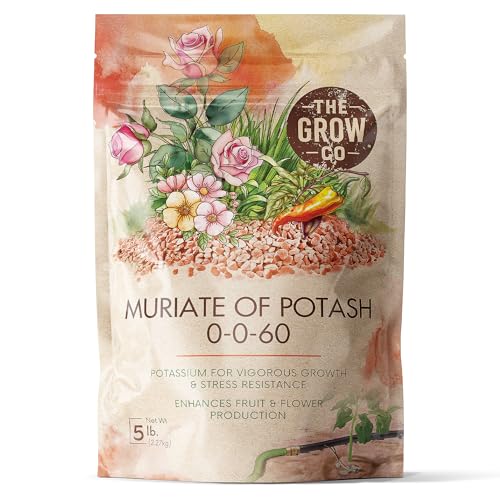
| The Grow Co PotashBest for Lawns Too | Lawn and turf feeding | 0-0-60 | Granules | 80 Ounce | Amazon |
| Cz Garden 5-10-10 Tomato & Vegetable | Tomatoes and mixed veg | 5-10-10 | Granules | 64 Ounce | Amazon |
| TPS Nutrients 5-10-10 | Fast liquid feeding | 5-10-10 | Liquid | 32 Fluid Ounces | Amazon |
| Big A Carrot Fertilizer | Carrot-specific feeding | Kelp blend | Granules | 13.5 Ounce | Amazon |
Detailed Reviews
1. Cz Garden Muriate of Potash 0-0-60
Our pick — 4.5+★ from 950+ verified ratings; the strongest balance of quality and price.
Straight potassium, nothing else, for roots that need to size up.
This is the simplest tool in the box: an 0-0-60 muriate of potash (a potassium-only granule with zero nitrogen and zero phosphorus) in an 80 Ounce resealable pouch. Because there is no nitrogen in it, you can push potassium into a carrot bed without triggering another flush of leafy top growth. The manufacturer notes a highly concentrated potassium supplement that supports carbohydrate metabolism and protein synthesis, which is the plain-English way of saying the plant moves energy down into the root.
The biggest frustration with potassium boosters is inconsistency — some beds respond, some burn. That mixed record shows up here too, so mix it at a modest rate and water thoroughly rather than heaping it on. What wins people over is the quality of the granule itself and how far a pouch stretches.
What earns its keep
- Zero nitrogen means no runaway leafy tops on your carrots.
- Resealable 80 Ounce pouch pours easily and stores clean.
What to watch
- Potassium-only, so it needs pairing with a phosphorus source for root development.
Reach for this if: your soil already has decent phosphorus and you just need to push potassium into the roots.
Pair it up: it carries no phosphorus, so a carrot bed wants a second product alongside it.
2. The Grow Co Muriate of Potash 0-0-60, 5 lbs
The same 0-0-60 punch, but with a measuring spoon built into the instructions.
Dosing is where most gardeners trip, and this one removes the guesswork. Mix 1/2 lb (1.25 cups) per 1,000 sq. ft. into the top one inch of soil, or drop 1 tsp near the drip line of an individual plant. That crystal-form potassium helps the plant form and move sugars, and the maker says it thickens outer cell walls so plants handle drought and cold better. It doubles as a turf feed if you have a lawn to keep green.
The 80 Ounce bag is the same size as the Cz Garden above, but the coverage figure here — 1,000 square feet per 0.5 pounds — is the concrete number that tells you how far it actually goes.
The honest catch: opinions on value are split, with plenty of growers feeling the bag is priced high for what it holds. It is a fair buy if you want the measured dosing, less so if you already own a scale.
Suits you when: you want a repeatable, measured application across a lawn or a long bed.
Think twice if: you garden in containers only — a full bag goes a long way there.
3. Cz Garden 5-10-10 Tomato & Vegetable Fertilizer

Low nitrogen, double phosphorus, double potassium — the classic root-and-fruit blend.
A 5-10-10 ratio gives you a modest 5 of nitrogen against 10 phosphorus and 10 potassium. That balance favors flowering and rooting over leaf growth, which is exactly what a carrot or a tomato plant wants. The 64 Ounce resealable pouch also carries 2% iron plus micronutrients, so you are feeding trace elements alongside the big three.
Where it splits from the straight potash picks is versatility. Two bags in this article are the same 5-10-10 ratio, but this Cz Garden one is the granule version you dig in before seeding. Plants respond in the mixed-to-positive range overall — many tomato growers report runaway growth, while some green-bean and broccoli growers saw leaf loss. Carrots sit solidly in the rooting camp this blend is built for.
Where it shines
- 5-10-10 favors roots and fruit, not runaway foliage.
- Includes 2% iron and micronutrients the pure potash bags skip.
Where it can sting
- Not every vegetable loves it — a few leafy crops sulked.
Go with this one if: you want a single bag that handles carrots, tomatoes, and the rest of the veg patch.
Keep in mind: leafy greens are the crop most likely to push back on this ratio.
4. TPS Nutrients 5-10-10 Liquid Fertilizer, 32oz
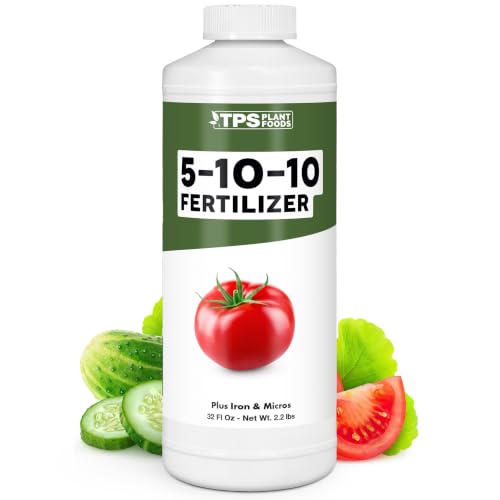
The same 5-10-10 ratio, poured into a bottle so roots drink it immediately.
Here is the direct head-to-head: the TPS bottle and the Cz Garden bag above both run a 5-10-10 ratio, but the difference is delivery. This is a 32 fluid ounce liquid concentrate in a low-nitrogen formula designed for garden beds and pots. Because it is already dissolved, the plant takes it up the moment you water it in — no waiting for granules to break down. Growers point to pepper plants and steady blooming as the standout results.
The obvious trade-off is volume. A 32 fluid ounce bottle is a smaller input than the 64 Ounce dry bag, and a recurring gripe is that the bottle turns out smaller than expected. If you are feeding a big in-ground bed, a liquid concentrate means repeat buys.
The verdict: the clear pick for containers and quick mid-season fixes where you want a plant to respond within days, not weeks.
Made for you if: you grow carrots in pots or raised beds and want fast, measurable uptake.
Size it right: a single 32 fluid ounce bottle is a short-term feed — plan for refills on a large garden.
5. Big A Carrot Fertilizer and Root Vegetable Fertilizer
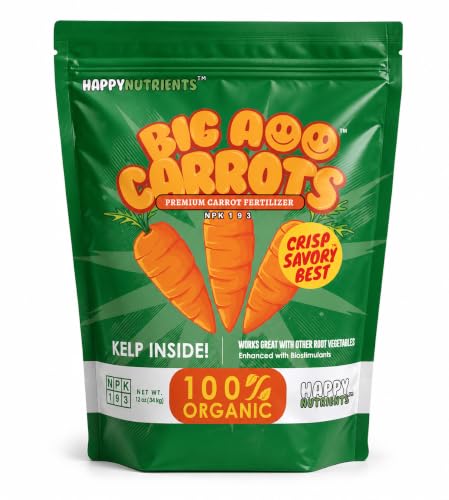
The only bag here actually named for carrots, with kelp in the mix.
Everything else on this list makes you translate a ratio into a crop. This one starts from carrots and root vegetables directly. The formula pairs nitrogen and phosphorus with secondary nutrients calcium and magnesium, and the manufacturer adds kelp to the blend. It is a highly soluble powder you apply straight to the soil before seeding, so the powder is in place before the seed ever goes down.
Coverage is the number to notice: this is a 13.5 Ounce pouch, the smallest bag on the page. Buyers report solid harvests and like the size, but a small bag does not stretch across a long row. Treat it as a targeted feed for one carrot bed rather than whole-garden coverage.
Why it fits carrot growers
- Built for root vegetables, not a generic all-purpose blend.
- Kelps plus calcium and magnesium on top of the core nutrients.
What limits it
- 13.5 Ounce goes fast — small for a full-size bed.
The pick for you when: carrots are your main crop and you want a blend aimed at them from the start.
Budget the size: a 13.5 Ounce pouch covers a bed, not an entire garden.
Know the Specs
The NPK Numbers
The three figures on any bag read as nitrogen, phosphorus, and potassium in that order, so an 0-0-60 product supplies potassium and nothing else, while a 5-10-10 gives a full spread instead.
Granules Versus Liquid
A granule gets dug into the top inch of soil where it releases slowly, and a liquid concentrate mixes into water so the plant can absorb it almost immediately.
Common Questions
Is 0-0-60 too strong for carrots?
Should I use a liquid or granule fertilizer on carrots?
Why does high nitrogen hurt my carrot harvest?
How much 0-0-60 potash do I apply per plant?
Can I use a tomato fertilizer on carrots?
Does carrot fertilizer need kelp to work?
How long does a 5 lb bag of potash last?
Can I fertilize carrots after they sprout?
The Bottom Line
For most carrot growers the carrot fertilizer to start with is the Cz Garden 5-10-10, because its low-nitrogen ratio feeds roots and fruit in one bag with iron and micronutrients included. If your soil already has phosphorus and you just need potassium, the Cz Garden 0-0-60 gets it done with zero extra nitrogen. And if carrots are your whole crop, the Big A is built for them from the ground up.
How we choose
We do not accept paid placement. Every pick is matched to a real buyer and a real use-case; we do not hands-on test units.
Sources
Specifications: manufacturer listings and product documentation. Review insights: verified customer reviews, as of November 2026. Pricing: not shown on this page (it changes often); check the current price via the retailer link.
As an Amazon Associate, My Heart Lives Here earns from qualifying purchases. This does not affect which products we feature.