Heads up: This post contains affiliate links. As an Amazon Associate I earn from qualifying purchases, at no extra cost to you. Learn more
Specs are compiled from manufacturer listings and verified buyer reviews and can change over time — please confirm the key details on the product page before buying.
If you want one answer: buy for imaging and fit, not for driver count. Imaging is how precisely a headset places a sound in space, and in a shooter that is what tells you whether the footsteps are left, right, above, or behind you. A cheap pair with clean imaging beats an expensive pair with muddy placement every single match. This guide covers the budget in-ear monitors (IEMs — small earphones that seal inside your ear canal like earplugs with speakers in them) that actually get that job done.
This guide is built by comparing the manufacturers’ published specifications and the patterns across verified customer reviews, so you get each pick’s real strengths and trade-offs instead of marketing spin.
Every pick below is wired and plugs into a 3.5mm jack, so it works with a controller, a laptop, or a phone with an adapter. Sound placement, comfort over a long session, and cable durability decide whether a set survives your ranked grind — and the picks that follow were chosen on exactly those three things. These are the budget iems for gaming worth your money.
Top Picks
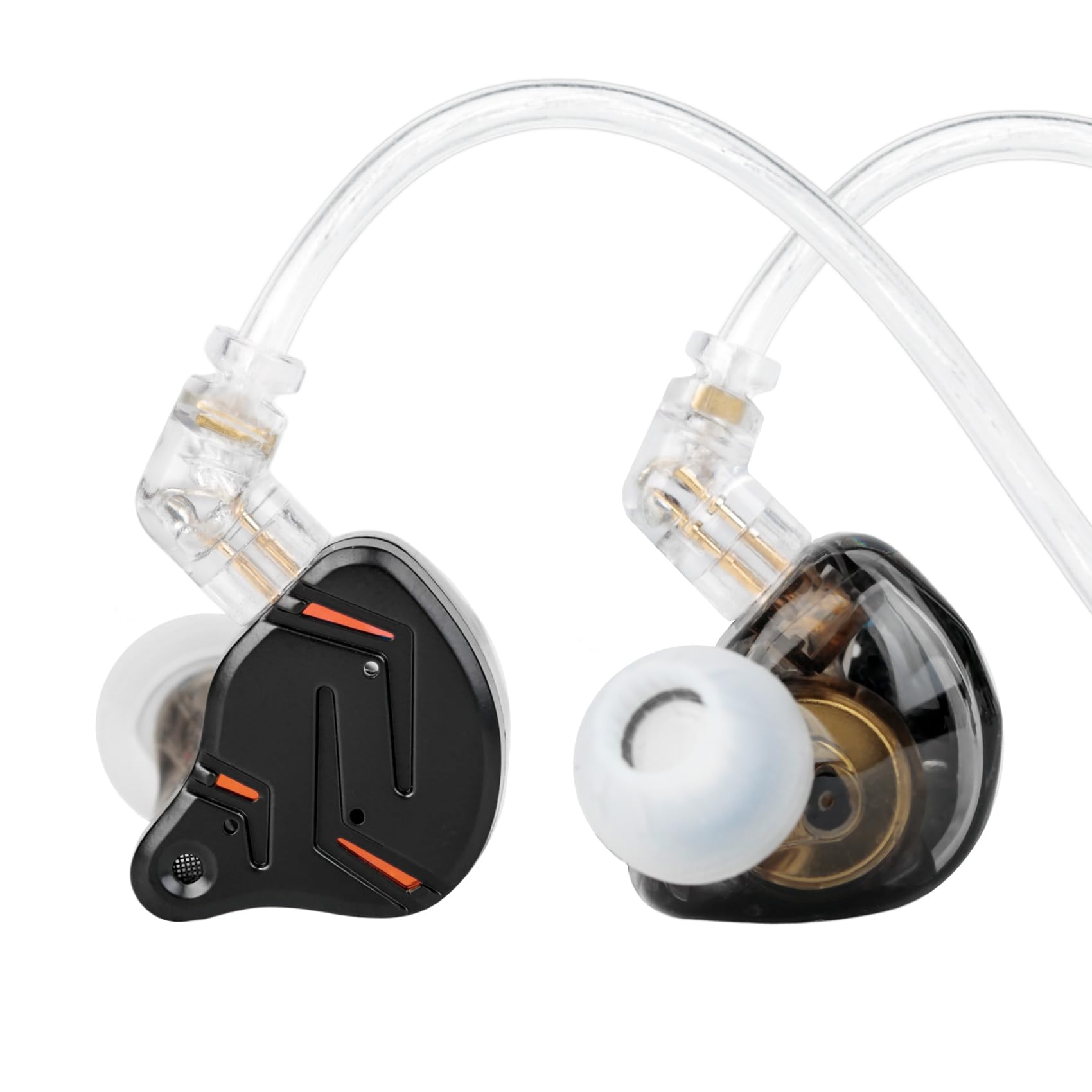
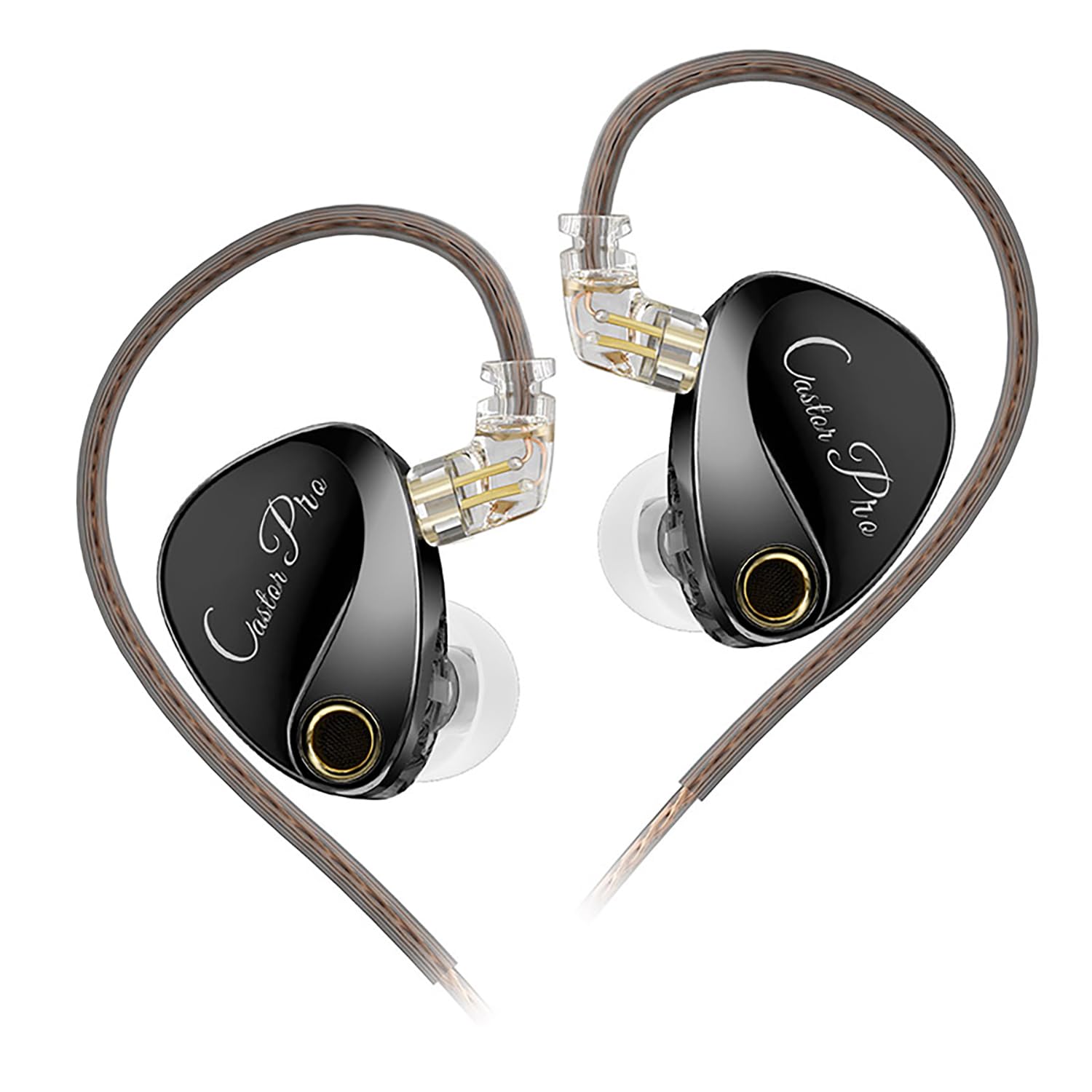
How To Choose The Best Budget IEMs for Gaming
A gaming IEM has one job that a music IEM can skate by on: it has to tell you where a sound came from. In a shooter, a clean stereo image is the difference between pre-aiming a doorway and spinning in a panic. Everything else — bass depth, looks, cable length — is secondary to that.
Imaging and soundstage come first
Imaging is the set’s ability to pin a sound to a precise spot in the mix. Soundstage is how wide that space feels around your head. A hybrid set with a dedicated high-frequency balanced armature (a tiny driver tuned for treble and detail) tends to separate footsteps and reload clicks from background rumble more cleanly than a single cheap driver. You do not need a big number of drivers to get this right — you need one that is tuned for separation rather than for a wall of bass.
Driver count is not the same as driver quality
You will see sets advertising 6 hybrid drivers next to ones advertising 2. More drivers give the tuner more tools to split frequencies, but a well-tuned single dynamic driver can still image beautifully. What matters in a shooter is a balanced mid-to-high range, because that is where footsteps, cloth rustle, and weapon handling sit. A set that pushes bass hard and buries the treble will cost you awareness.
Fit and tips decide your whole session
An IEM only isolates and images well when it seals. A poor seal leaks bass and smears the image, so a set that will not sit snug is a set that will let you down, no matter its tuning. Look for an over-ear cable design (the wire loops up and over your ear) — it takes the weight off the cable and keeps the shell anchored. Swapping ear tips to the size that actually fills your canal fixes more imaging complaints than any other tweak.
Detachable cable and a 3.5mm jack
A detachable cable means the part that always fails first — the wire — can be replaced without binning the whole set. That one feature extends the useful life of a budget IEM more than any spec sheet number. And check the jack: a plain 3.5mm plug reaches a controller, a laptop, and most consoles directly, while a USB-C-only connection locks you out of some gear.
Side-by-Side Comparison
| Model | Best For | Driver Setup | Cable | Connection | Amazon |
|---|---|---|---|---|---|
| KZ ZST PRO X★ Best Overall | First gaming IEM | 1BA + 1DD hybrid | Detachable | 3.5mm / USB-C | Amazon |
| CCA KZ Castor ProTuning Tweaker | Tuning tweakers | Dual 10mm dynamic | Detachable (cable not included) | Wired | Amazon |
| 7Hz x Crinacle Zero:2 | Balanced music and games | 10mm dynamic | Detachable OFC | 3.5mm | Amazon |
| CCA C12 | Wide cinematic stage | 5BA + 1DD hybrid | Detachable 8-strand | 3.5mm | Amazon |
| KZ ZS12 PRO 2 | Detail-hungry competitive play | 5BA + 1DD hybrid | Detachable | 3.5mm | Amazon |
| KZ ZS10 PRO 2 | Switchable sound profiles | 1DD + 4BA hybrid | Detachable silver-plated | 3.5mm | Amazon |
| TRUTHEAR x Crinacle Zero:BLUE2 | Long-session comfort seekers | Dual dynamic | Detachable coaxial | 3.5mm | Amazon |
Detailed Reviews
1. KZ ZST PRO X
The entry point that images like a set twice the tier — two drivers, one job, done right.
Here is the number that earns this spot: one balanced armature plus one dynamic driver per side, tuned for exactly the job a shooter cares about. The balanced armature handling the mid-to-high range is what keeps voices and instrument tones full and distinct, and that same range is where footsteps and reload clicks live. Cheaper single-driver sets smear those sounds together; this one hands them to you as separate events you can place.
The dynamic driver underneath is tuned for the low end, and it delivers deeper bass extension with tight, punchy impact. In practice that means explosions and engine rumble land with weight without turning mushy and drowning out what matters. A muddy low end is the single most common way a gaming headset ruins your awareness — the boom bleeds upward and buries the treble. This set separates the two cleanly, which is the whole reason it sits at the top of this list.
What wins people over here is sheer sound quality, and the value story runs right behind it — this is a set that punches above its tier on tuning, and the metal faceplate over a resin shell gives it a sturdier feel than the price suggests. Comfort holds up across long sessions, which matters when you are three hours into a ranked climb. The honest catches are worth naming: isolation is a mixed bag depending on how well the shell seals in your ears, and a few units do not go the distance, so treat the detachable cable as the cheap insurance it is. One quirk to know up front — the listing advertises a microphone, but the no-mic version is the one tuned for pure listening, so check which variant you are ordering.
What Carries The Tuning
- Separate balanced armature for the mid-to-high range keeps footsteps and voices distinct instead of smeared.
- Dedicated low-end dynamic driver gives deep bass extension with tight, punchy impact that stays out of the way.
- Detachable cable means the part that fails first can be swapped without replacing the set.
- Metal faceplate and resin shell, with comfort that holds through multi-hour sessions.
Where It Asks For Patience
- Isolation depends heavily on getting a real seal — the stock tips will not suit every ear.
- A minority of units run into trouble, so the detachable cable is worth having on hand.
- Confirm the no-mic variant if you want the pure listening build.
Buy it if: you want the strongest all-round gaming image for the smallest outlay, with a hybrid setup that separates footsteps from rumble.
Try something else if: you need maximum noise isolation in a loud room — this one rewards a careful tip fit before it seals properly.
2. CCA KZ Castor Pro
Four switches, sixteen sound signatures — shape your own mix before the match starts.
This is the pick for the player who cannot leave a setting alone. Two separate 10mm dynamic drivers split the work — one built for mid and high frequencies, one dedicated to the low end — and a set of four tuning switches lets you reshape the balance into 16 different profiles. Want footsteps pushed forward for a tactical round? Dial the highs up. Want a cinematic, rumbly campaign session? Push the bass. That kind of on-device control is rare at this tier, and it means one set covers moods a fixed signature cannot.
A precision-tuned crossover blends the two drivers so neither one stomps on the other’s frequency range. In practice you get deep, well-defined bass that adds depth without overpowering the mids and highs — the exact failure mode that makes cheap bass-heavy sets useless for competitive play. The ergonomic shell is shaped for long listening sessions, and the sound is detailed enough that instruments stay separated in a busy mix, which is what keeps your audio cues readable when the whole team is firing at once.
The catch is in the fit. This set draws divided feedback on comfort and seating — some ears get a snug, secure hold, others find it does not sit as deep as they want, and a looser seal costs you both isolation and image precision. Budget time for tip swapping. There is also a genuine oddity in the listing: the cable features read as not included, so confirm what is in the box before you plan around it. The cable is detachable, so if it does ship without one, a replacement is a straightforward add.
The real draw: 16 tunable profiles from four switches, with a dedicated low-frequency driver and a crossover that keeps the bass from swallowing your audio cues.
Plan around: the seating splits opinion ear to ear, and the listing notes the cable as not included — check the box contents, then budget for tips and possibly a cable.
The right set for: tinkerers who want to retune the sound per game rather than accept one fixed signature.
Look past it if: you want a set that seals on the first try — this one wants a fitting session before it rewards you.
3. Linsoul 7Hz x Crinacle Zero:2

A tonal-balance specialist that adds just enough bass to keep games from sounding thin.
The collaboration is the story here. 7Hz worked with Crinacle — a reviewer whose frequency-graph database reshaped how the audio market reads tuning — and the goal was tonal balance rather than spectacle. The result is a set that sounds even and natural across the range instead of hyping one band. For gaming, that evenness is quietly valuable: nothing in the mix is artificially boosted, so the footstep that should be faint really is faint but still there, and you are not fighting a boosted bass shelf to hear it.
The updated driver is a 10mm dual-cavity dynamic unit with a PU-plus-metal composite diaphragm, and the headline change is the low end — the Zero:2 adds more bass weight than its predecessor while keeping the balance intact. Bass impact and extension are improved, and the midrange has a touch more body and warmth. The practical payoff is a fuller sound for vocals and instruments without bass bleed muddying the melodies, so a dialogue-heavy game still comes through clean. The new oxygen-free copper cable is silver-plated and detachable, and the two-pin design means you can swap it later.
The honest trade-off is the depth of the field. This is the least-reviewed pick in this lineup, and the feedback that exists points to solid build quality and a crisp, full-range sound rather than a long track record. If you want a set with a mountain of owner history behind it, the KZ ZST PRO X above has far more time in the wild. Think of the Zero:2 as the considered, balanced pick for someone who trusts tuning over features — and who does not need a switch or a driver count to feel confident.
Why it earns its place: a genuinely balanced signature with slightly warm mids and added bass weight, tuned with real reference — so game audio stays natural instead of hyped.
The honest limit: this is a young listing with a thin review base, so you are trusting the tuning pedigree more than a long owner track record.
Go here for: a natural, even sound you can wear for both games and music without retuning your ears between them.
Weigh the risk if: a deep history of verified owner feedback is what makes you comfortable spending.
4. CCA C12

Six drivers per side and a panoramic stage that puts you inside the map, not beside it.
Five balanced armatures plus one dynamic driver on each side is a lot of hardware, and the C12 puts it to work building an extensive panoramic soundstage with strong layering. That layering is the gaming tell: distant sounds stay distant, near sounds stay near, and the whole scene has front-to-back depth instead of collapsing into a flat plane. If your current headset makes everything feel like it is happening two inches from your ears, this set is the correction.
The signature runs warm and coherent, with the kind of high-frequency clarity that stays clean rather than harsh. That last part matters over a long session — a bright, spiky treble is exhausting after an hour, while a smooth extended top end lets you keep your ears tuned in without fatigue. The 8-strand low-impedance cable is built to resist interference and keep the signal stable, and it detaches, which is the feature that lets a set survive a snagged wire. The zinc alloy cover and resin build add a heft that feels reassuring in the hand.
Two caveats deserve a straight mention. The fit runs divided — the ergonomic shape works for many ears, but comfort is not universal, so this is a set worth fitting carefully before you judge it. And the long-run reliability picture is mixed, with some units holding up while others give out; a detachable cable helps, but it is not a guarantee. Neither point sinks the C12. They just mean you should buy it for the soundstage and treat longevity as something to keep an eye on.
The Reason To Pick It
- Five balanced armatures plus one dynamic driver build a genuinely wide, layered stage.
- Warm, coherent tuning with clear highs that avoid harshness over long play.
- Detachable 8-strand, low-impedance cable for stable signal and easy replacement.
- Zinc alloy cover and resin body feel sturdier than the price tier implies.
What To Accept Going In
- Comfort is genuinely ear-dependent — not every listener gets a clean seal.
- Long-term reliability reports are split, so this is not the set to bet years on.
The match for: players who want a big, cinematic stage and can live with a fitting session to get the seal right.
Not the match for: anyone who wants the most bulletproof long-haul build — reliability here is a mixed bag.
5. KZ ZS12 PRO 2
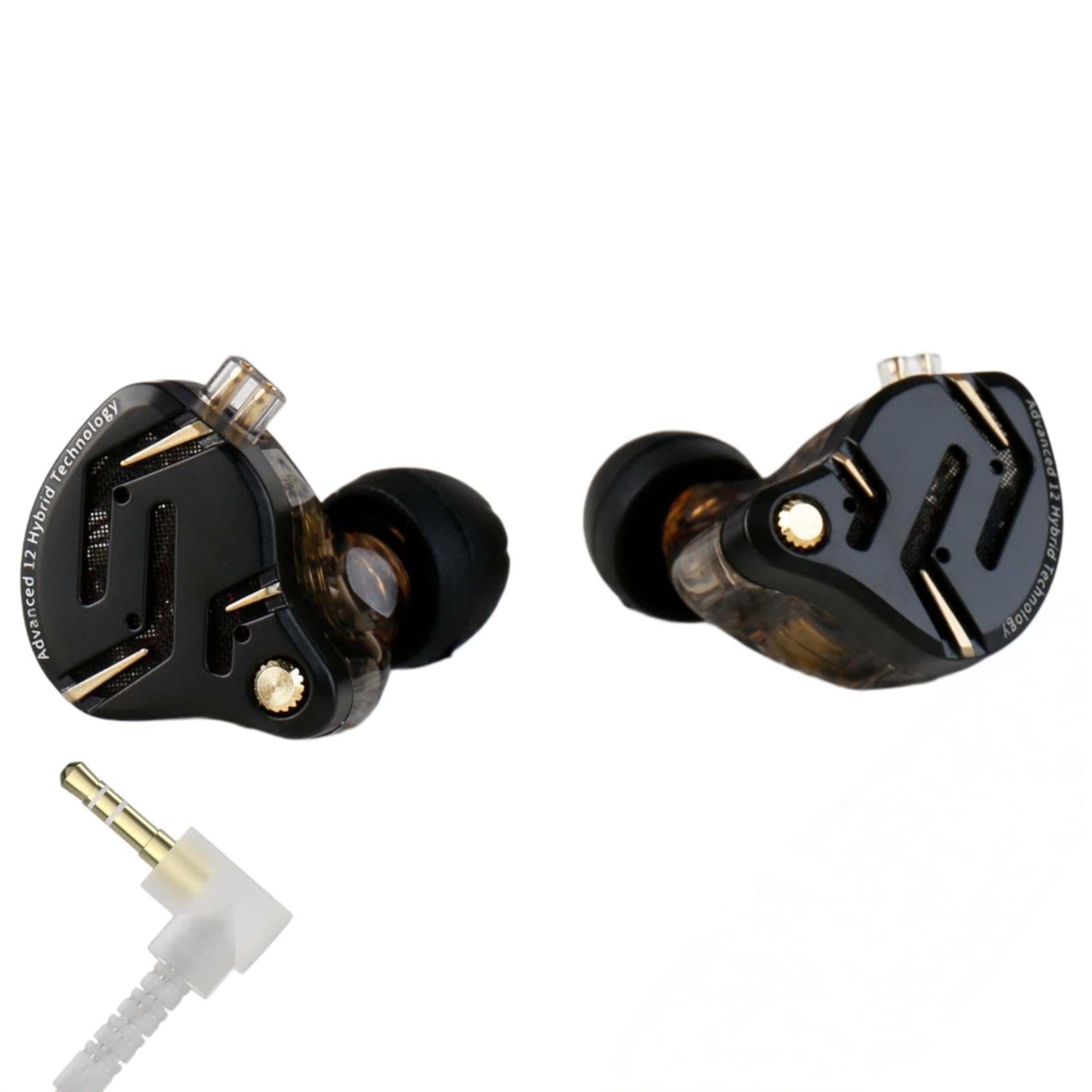
The most driver-dense set here, and the one that pulls the finest cues out of a busy fight.
Each side holds four ultra-high-frequency balanced armatures plus one mid-high balanced armature, then a 10mm dynamic driver for the low end. That is six drivers a side, and the point is separation — the treble shines with clarity while vocals stay natural and lifelike. In a firefight, that translates to sounds arriving as distinct layers rather than a blended roar, so you can pick out a reload from a footstep from a grenade toss. Compared to the 7Hz Zero:2 above, which is a single-driver set built around balance, this one is built around splitting the spectrum into more pieces.
An electronic crossover board sits at the center of it, dividing frequencies between the dynamic and balanced armature drivers to keep them from interfering with each other. The 10mm ultra-low-frequency dynamic driver uses an tune magnetic circuit and refined diaphragm for bass depth with layered texture, so low notes carry weight without smearing. The engineering result reads as a balanced three-frequency performance: deep bass without muddiness, clear transparent mids, and smooth highs free of harshness. For a long session, that smoothness is a real comfort — bright, spiky treble wears your ears down faster than anything else.
Here is what to weigh. The fit is the recurring complaint — some listeners get a snug hold, others find it drifts, so treat the stock tips as a starting point rather than the answer. Durability also shows up as a concern in the feedback mix, which makes the detachable cable and the metal faceplate on a resin shell your insurance. Neither is a reason to walk away. It is a reason to fit carefully, handle it with a little care, and expect the sound to earn its place.
Where the money goes: six drivers a side and a dedicated crossover board — the detail retrieval is the most surgical of this bunch, and it shows in a crowded fight.
Fit is the question mark: the seating is the one recurring gripe, so plan on a tip swap and do not judge the set on the first hour.
Pick this if: you want the sharpest separation of sounds and play titles where a single footstep decides the round.
Choose differently if: you want a set that feels secure without any fitting fuss — the seating here is the weak link.
6. KZ ZS10 PRO 2

A 10mm dynamic driver plus a four-level switch — dial in your signature and leave it alone.
The core setup is a 10mm super-linear internal magnetic dynamic driver paired with dual 31736 balanced armatures, and those armature drivers are the specialists — they handle high and ultra-high frequencies and pull out fine detail. In game terms, that is the crispness of a distant reload and the texture of footsteps on different surfaces. The four-level tuning switch on top lets you shift the balance between clear vocals, deep bass, or full chords, so the same set can lean analytical for a competitive round and warmer for a story game.
A three-way crossover circuit manages the interplay between the balanced armature and dynamic drivers, so each one works inside its lane and the low, mid, high, and ultra-high ranges stay in harmony. The result is a wide soundstage with extensive dynamic range that reproduces quiet subtleties and loud peaks without flattening either one. The detachable silver-plated cable is the practical backbone here — it can be replaced or upgraded, and it takes the wear that would otherwise end the set’s life.
What to know before you commit: the seating divides listeners, with plenty finding a comfortable hold and a share reporting it does not stay put, so this set rewards getting the tips right. A minority also run into a channel that does not work or problems that show up early, so buy with a return window in mind. And if you run a USB-C-only phone or console output, note that this set is wired for 3.5mm — you will need an adapter. The sound itself is what most buyers keep talking about, and the switch makes it adaptable in a way the fixed-signature sets cannot match.
Signature strength: a 10mm dynamic driver with dual 31736 armatures and a three-way crossover — detail is sharp and the four-level switch lets you retune by genre.
Buy with eyes open on: fit and early reliability. Some ears get a snug hold and some do not, and a small share of units show problems early.
Best for: players who want one set that can go analytical for ranked and warm for a campaign without buying twice.
Think twice if: you want a set that fits from the start with zero adjustment — this one asks for a tip-fitting session first.
7. TRUTHEAR x Crinacle Zero:BLUE2

Two dynamic drivers and a microphone option — a set that shifts from monitoring to comms.
Where most sets here use balanced armatures for the highs, the Zero:BLUE2 takes a different route: two dynamic drivers, one a 10mm with an N52 magnet and one a 7.8mm with an N55 magnet, with the smaller driver focused on mid and high frequencies. The cavity is DLP-3D printed and silicone-capped, techniques usually reserved for high-end multi-driver sets. In practice the payoff is a clean, detailed sound with the clarity that buyers keep coming back to — and the comfort of knowing the same set can handle a voice call, because the microphone option uses an oxygen-free copper mic cable.
The cable is genuinely upgraded: a two-strand 294-core copper and silver-plated coaxial design, with more internal wiring for better sound and a tangle-free feel. It runs a 0.78mm two-pin connection, so it detaches and swaps. That combination of a comms-ready mic option and a replaceable cable makes this the most flexible pick of the group — the one that works for a solo session and a squad call without a second set.
The catches are real and worth naming plainly. Comfort and fit split sharply: some ears find them comfortable and well-seated, others report ear pain and a poor seal, so the tips decide your experience. Cable length draws complaints in both directions — a short cable is a mixed bag depending on where your controller sits. Durability is also uneven, with some units failing inside a year. None of that makes this a bad buy. It makes it a set to fit carefully, plug in with a clear idea of your cable run, and buy where returns are easy.
What Makes It Flexible
- Two dynamic drivers with a smaller 7.8mm focused on the mid and high range for clean detail.
- Microphone option on an oxygen-free copper cable, so comms do not need a second headset.
- Detachable 0.78mm two-pin coaxial cable with 294-core construction and a tangle-free run.
What Splits Opinion
- Fit is polarizing — comfortable for some ears, painful or loose for others.
- Cable length draws mixed feedback depending on your setup.
- Some units run into problems inside a year, so keep the return window in hand.
Reach for this if: you want one set that covers in-game audio and mic comms without buying a headset too.
Line up your fit first: this is the most ear-shape-sensitive pick in the group — tips make or break the experience.
Know the Specs
Imaging and Soundstage
Imaging is how precisely a set places a sound in space; soundstage is how wide that space feels. In a shooter, imaging is what tells you a footstep is behind and to the left rather than just “somewhere near.” A wider stage with good layering keeps distant sounds distant, so a far grenade does not sound like it landed beside you. Sets with more balanced armatures handling the highs tend to separate those cues more cleanly than a single cheap driver tuned for bass.
Driver Setups: Hybrid vs Dynamic
A dynamic driver is a single speaker cone that handles the whole range and tends to deliver natural bass. A balanced armature is a tiny precision driver, often used for the mid and high frequencies where footsteps and detail sit. A hybrid set combines both so each handles the range it does best. More drivers give the tuner more control, but a well-tuned single driver can image beautifully — driver quality and tuning matter more than the count.
Detachable Cables and Connectors
The wire is the first part of any wired IEM to fail, so a detachable cable is the cheapest way to extend the set’s life. Look at the connector type — a two-pin 0.78mm design lets you swap cables, and an 8-strand or multi-core build helps keep the signal stable. A detachable cable is also an upgrade path if you later want better insulation or a different length for your desk setup.
Jack, Adapters, and Compatibility
A plain 3.5mm plug reaches controllers, laptops, and most console outputs directly. A USB-C-only connection locks you out of some gear, so check which jack your device offers before ordering. If your phone or console drops the headphone jack, a 3.5mm-to-USB-C or 3.5mm-to-Lightning adapter keeps the set usable. Note that some sets also advertise USB-C compatibility alongside the 3.5mm plug.
Common Questions
Do budget IEMs actually help you hear footsteps better than a gaming headset?
Will these IEMs work with my PS5 or Xbox controller?
Do more drivers mean better game audio?
How long should a budget IEM last?
Can I use gaming IEMs for music and calls?
Why do some gaming IEMs not stay in my ears?
What does a tuning switch actually change?
Is a USB-C or 3.5mm jack better for gaming IEMs?
Do I need an amplifier to drive budget IEMs?
The Bottom Line
For most players, the budget iems for gaming winner is the KZ ZST PRO X because it delivers the cleanest image for the smallest outlay — a balanced armature for the highs, a dynamic driver for tight bass, and a detachable cable that lets the set survive a snagged wire. If you want to shape the signature yourself, the KZ ZS12 PRO 2 gives you six drivers a side and the sharpest separation of sounds in this lineup. And for a long-session set with a mic option, the TRUTHEAR x Crinacle Zero:BLUE2 is the one to reach for.
One nudge worth taking: the ZST PRO X is the crowd favorite — 4.0+ stars across 3,000+ owners — which tells you the hybrid tuning lands with real ears, not just a spec sheet. Fit accounts for the bulk of the complaints across every pick here, so budget a few minutes for a tip swap and the set you choose will reward you with a cleaner, more precise image of the match around you.
How we choose
We do not accept paid placement. Every pick is matched to a real buyer and a real use-case; we do not hands-on test units.
Sources
Specifications: manufacturer listings and product documentation. Review insights: verified customer reviews, as of November 2026. Pricing: not shown on this page (it changes often); check the current price via the retailer link.
As an Amazon Associate, My Heart Lives Here earns from qualifying purchases. This does not affect which products we feature.