Heads up: This post contains affiliate links. As an Amazon Associate I earn from qualifying purchases, at no extra cost to you. Learn more
Specs are compiled from manufacturer listings and verified buyer reviews and can change over time — please confirm the key details on the product page before buying.
If you have Morton’s neuroma, you already know the problem is not the walk itself — it is the moment your toe box pinches the nerve between your toes and the burning starts. The fix is a boot with a wide, deep toe box, a footbed that spreads pressure off the ball of your foot, and a sole stiff enough that you do not feel every pebble. Every boot below was chosen for those three things.
This guide is built by comparing the manufacturers’ published specifications and the patterns across verified customer reviews, so you get each pick’s real strengths and trade-offs instead of marketing spin.
You will see which models give true extra depth, which run narrow despite the label, and which footbeds come out so you can swap in your own insert. Below are the boots for morton’s neuroma that actually leave room at the ball of your foot.
Top Picks


How To Choose The Best Boots for Morton’s Neuroma
A Morton’s neuroma is a thickened nerve between your metatarsal bones (the long bones running from your toes to your midfoot). Every step that squeezes those bones together pinches that nerve. Your boot either eases that squeeze or makes it worse, and four physical things decide which: toe box room, depth, the footbed, and the sole.
Toe Box Room Is the Whole Ballgame
You need a toe box that lets your metatarsal bones splay instead of compress. A wide toe box gives the nerve space to sit without being pinched. When you read that a boot has a wide toe design or ample toe room, that is the specification doing the work for you.
The trap is that a boot labeled wide can still be narrow through the ball. Check what buyers report about width at the forefoot specifically, not just the heel.
Extra Depth Lets a Custom Insert Fit
Depth is the vertical room above your foot. A deep boot leaves space for a thicker insole or a metatarsal pad — a small cushion that sits behind the ball of the foot and lifts the bones off the nerve. If the boot is shallow, adding a metatarsal pad pushes your toes up against the ceiling of the boot.
Removable Footbeds Are a Quiet Advantage
Many of these boots ship with a footbed you can pull out. That means you can drop in the orthotic your podiatrist made instead of stacking it on top of the factory insert. Replaceable insoles keep the boot useful long after the original cushion wears down.
Sole Stiffness and the Rocker Effect
A stiff midsole spreads load across the whole foot rather than bending at the ball. A rocker sole — one that curves upward at the toe — helps your foot roll forward without flexing hard at the metatarsals. Both reduce the pinch that fires up a neuroma.
Side-by-Side Comparison
| Model | Best For | Sex / Style | Stated Weight | Removable Footbed | Amazon |
|---|---|---|---|---|---|
| Orthofeet Siena Orthopedic Women’s Ankle Boots★ Best Overall | Everyday winter wear | Women / Ankle boot | — | Three comfort options included | Amazon |
| Dr. Comfort Ranger Men’s Therapeutic Extra Depth Hiking BootRoomiest Toe Box | Wide feet and toe room | Men / Hiking boot | 3.05 pounds | — | Amazon |
| KEEN Utility Men’s Camden 6″ Work BootsJobsites Pick | Jobsites and hard standing | Men / Work boot | 4.5 pounds | Yes | Amazon |
| ABEO MXV Shift Women’s Metatarsal Footbed Walking Shoes | All-day walking on flat ground | Women / Walking shoe | — | Yes | Amazon |
| Women’s Orthopedic Wide Snow Boots | Cold weather and slippery ground | Women / Snow boot | — | — | Amazon |
| Men’s Orthopedic Wide Waterproof Hiking Boots | Wet trails on a tighter budget | Men / Hiking boot | — | — | Amazon |
| Orthofeet Granite Orthopedic Men’s Work Boots | Long shifts on concrete | Men / Work boot | — | — | Amazon |
| Z-CoiL Prime Women’s Boot | Built-in orthotic and shock absorption | Women / Boot | — | Built-in orthotic | Amazon |
| Kenetrek Men’s EverStep Orthopedic NI Hiking Boots | Rugged terrain and ankle stability | Men / Hiking boot | 4.2 pounds | Removable ankle supports | Amazon |
Detailed Reviews
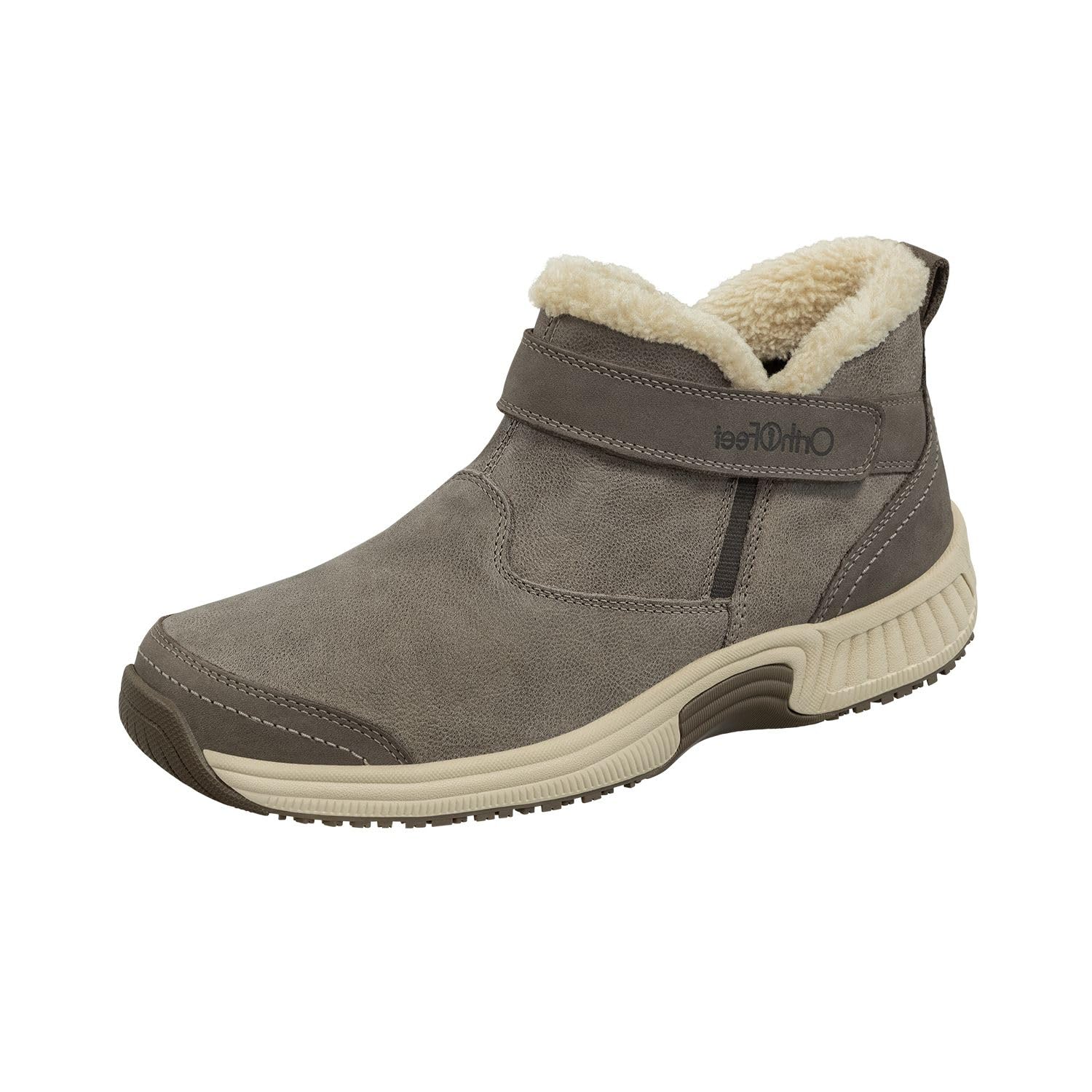
1. Orthofeet Siena Orthopedic Women’s Ankle Boots
Our pick — 4.0+★ from 400+ verified ratings; the strongest balance of quality and price.
The winter ankle boot that hands you three different insoles and lets you pick the one your toes tolerate.
What wins people over here is plain comfort, followed closely by how well the boot is built. The Siena arrives with three comfort options — meaning you get to choose the footbed setup that takes pressure off the ball of your foot rather than accepting whatever foam the factory glued in. That is a real advantage for a neuroma, because the right insert is often the difference between a two-hour walk and a twenty-minute one.
Warmth is the second thing owners keep coming back to, and for a winter ankle boot that matters. Arch support gets strong notices too, and the boot is easy to pull on and off, which is not a small thing when your toes are sore and you do not want to wrestle with a tight shaft.
The honest catch is width through the forefoot. Fit is the one place opinions split — plenty of women find the Siena true to size, while others find it too narrow across the toes. If your neuroma sits right at the ball and you already know you need a roomy toe box, size up or look at the wide-specific picks below.
orthotic-friendly ankle support
- Three comfort options let you dial in the footbed pressure at the ball of your foot
- Comfort leads every other praise point in owner feedback
- Warm enough for real winter wear, with arch support that holds up
- Slips on and off without a fight
narrow shaft fit
- Forefoot width is the one genuine split — some women find it narrow across the toes
- If you need extra depth for a thick metatarsal pad, a deep-specific boot is the safer route
daily foot pain: you want one warm ankle boot for daily errands and your main need is a swappable footbed plus arch support.
wide calves: your neuroma flares the moment a toe box hugs your forefoot — this is the one place the Siena divides opinion.
2. Dr. Comfort Ranger Men’s Therapeutic Extra Depth Hiking Boot
Extra depth built for thick inserts, and a toe box that men with wide feet keep calling the reason they bought it.
The Ranger’s defining trait is in its name: extra depth. That vertical room above the foot is what lets a metatarsal pad or a prescription orthotic sit inside the boot without cramming your toes against the ceiling. For a neuroma, that is the spec that matters more than any cushioning claim, because the pad is often what takes the pressure off the nerve.
Fit is where this boot earns its keep. Owners with wide feet consistently report the Ranger accommodates them and leaves ample toe room, and it breaks in within minutes rather than days. The laces are elastic rather than traditional ties — a plus if bending down to tie is part of your problem.
Two things you should know before you order. Durability draws split opinions, with the heel the specific area that comes up. And at 3.05 pounds it carries noticeably less heft than the KEEN Camden work boot at 4.5 pounds, which matters if you are covering ground all day rather than standing in one spot.
extra depth toe box: the extra depth is not marketing — it is the reason the Ranger can take a thicker insole and still leave room at the toes. That combination is rare in a hiking boot.
bulky trail feel: the heel is the piece to keep an eye on over time, and the elastic laces do not tie like a normal boot. Neither is a reason to walk away — they are just things to know going in.
wide feet: a man with wide feet who needs to wear a thicker orthotic or metatarsal pad inside a hiking boot and wants it broken in on day one.
light hikers: you want traditional laces you can cinch tight, or you need the boot to survive years of hard trail abuse.
3. KEEN Utility Camden 6″ Work Boots
The one work boot here with a metatarsal guard built in — protection right over the ball of your foot.
For a man whose neuroma flares on a concrete floor, the Camden’s internal metatarsal guard is the headline. That guard is a protective shield sitting over the metatarsal bones — the same bones that squeeze the nerve — and it spreads impact across the whole forefoot instead of concentrating it at the ball. Add the 360° Goodyear welt construction and the air-infused Luftcell midsole, and you get a stable platform rather than a sponge under your arch.
It is also built to take abuse: full-grain barnyard-resistant leather, KEEN.DRY waterproofing, carbon-fiber toes, and a moisture-wicking lining. Comfort and quality are what owners praise most, and the insoles come out, so your own orthotic can go in. Expect the break-in to be short — owners mention it is not a fight.
Here is the trade-off in plain terms. This boot weighs 4.5 pounds, and the KEEN’s own buyer feedback splits on weight — some find it manageable, others find it heavy. If you are on your feet for ten hours but not carrying anything, that heft is a fair trade for the protection. If you need a boot you can forget you are wearing, the Dr. Comfort Ranger at 3.05 pounds is the lighter of the two.
jobsite waterproofing: jobsite and workshop duty where a metatarsal guard and waterproofing matter more than saving ounces.
casual wear: you want a light boot for casual wear — 4.5 pounds is real weight on a long day.
4. ABEO MXV Shift Women’s Metatarsal Footbed Walking Shoes
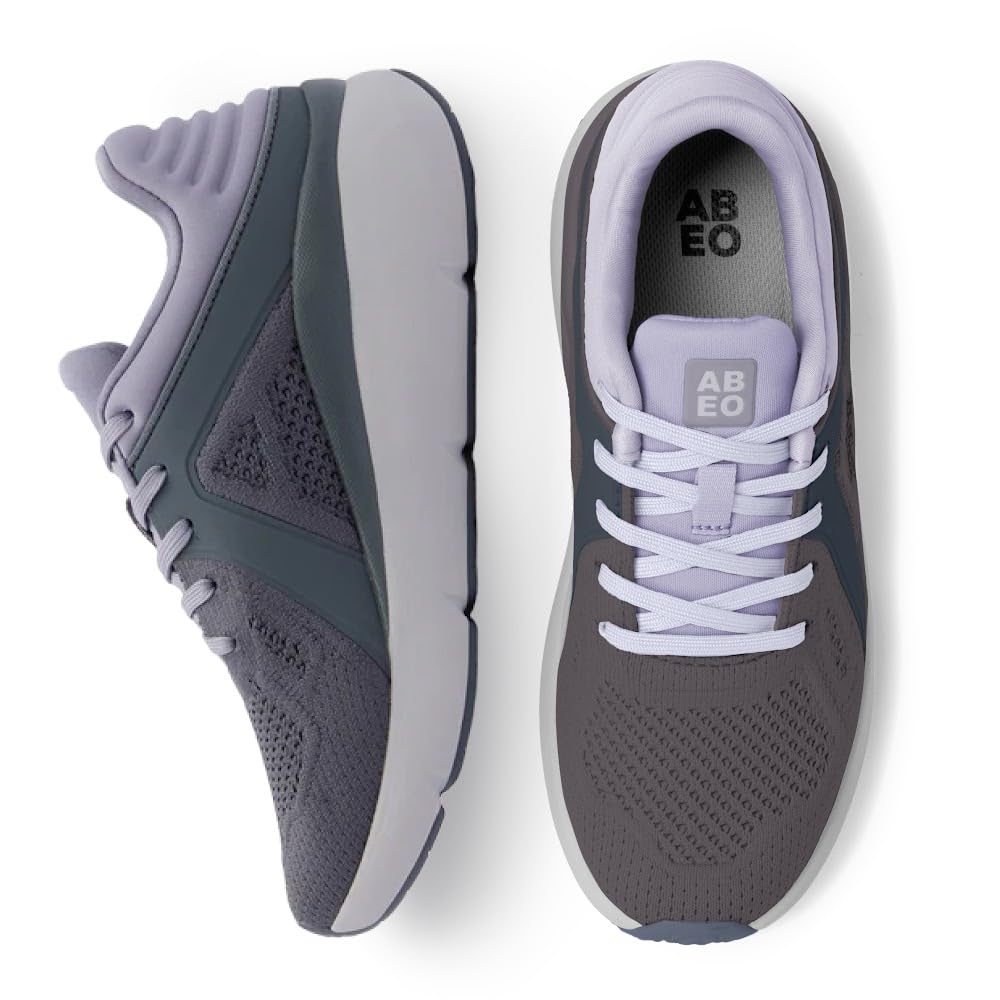
A walking shoe with the metatarsal support already designed in, instead of a boot you have to fix yourself.
Not every neuroma call is a boot call. If your pain sits squarely under the ball of your foot and you walk on pavement all day, the MXV Shift is the shape you want. It is a knit and TPU upper over a spacer mesh midsole that wicks moisture, with a flexible rubber outsole underfoot for grip.
The centerpiece is the removable orthotic footbed, built with arch and heel support to steady your stride. Owners describe wearing these all day without pain under the ball of the foot, and they rank the arch and metatarsal support right behind comfort. The footbed comes out, so if you already have a prescription insert, it drops straight in.
Know the fit before you buy. Sizing is a genuine split here — some women find it true to size and good for wide feet, others find it runs large. If you are between sizes, that is worth reading carefully. The MXV Shift is a walking shoe, not a winter boot, so do not expect it to take cold or wet ground the way the Siena ankle boot or the snow boot below will.
metatarsal support shift: metatarsal support built into the shoe and a footbed you can swap. That is a rare pairing under a flexible walking outsole.
runs small: the fit runs both ways depending on who you ask, so a half size in hand is worth more thought than usual.
forefoot relief: women who need everyday walking comfort with metatarsal support and want to keep using their own insert.
high arches: you need warmth and grip for winter pavement — this is a fair-weather walker.
5. Women’s Orthopedic Wide Snow Boots
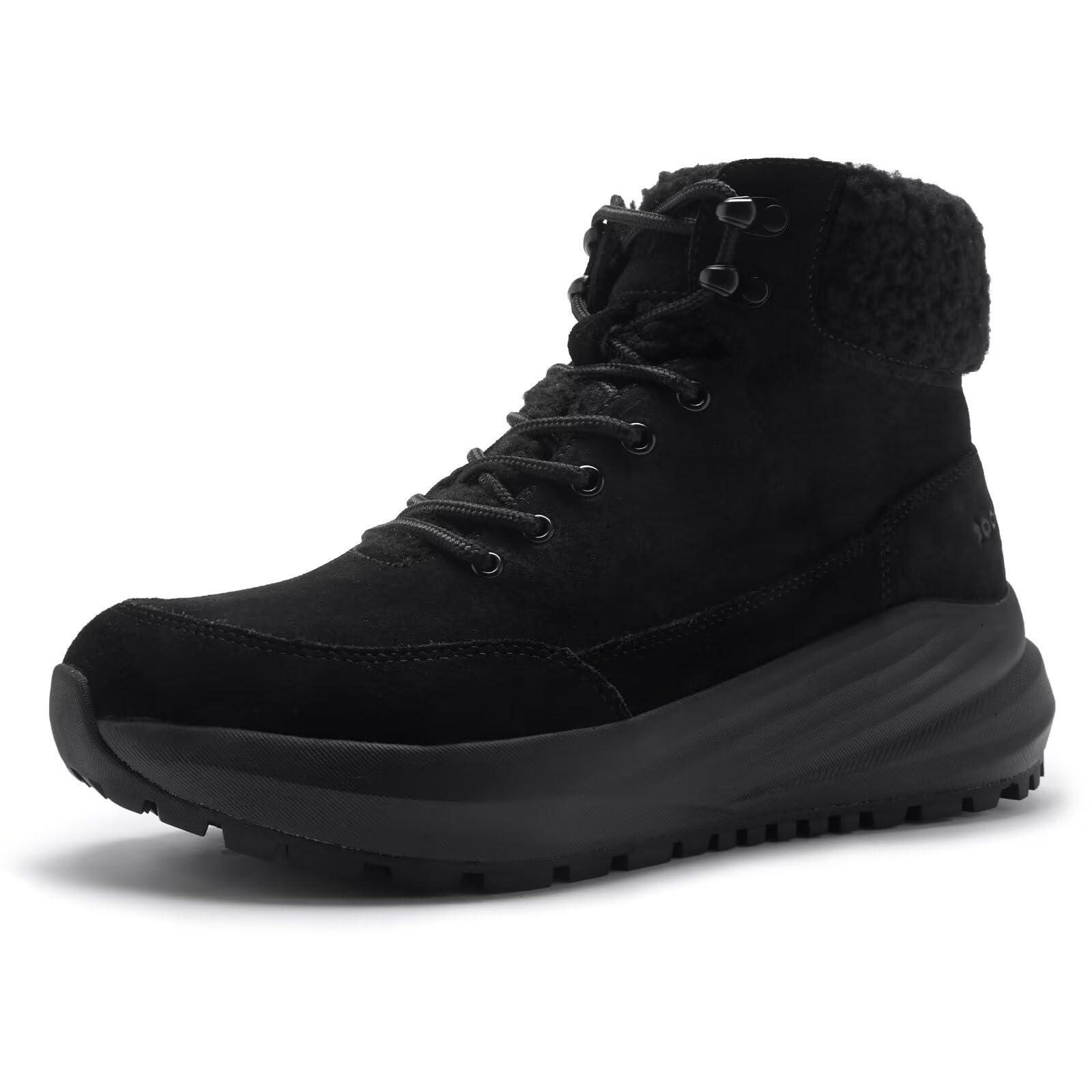
Insulated, wide, and quietly one of the surest fits on this list — warmth without giving up toe room.
Snow boots usually force a choice: warmth or room. This one sidesteps it. The fit earns strong marks — several women describe the toe box as perfect and the arch support as firm — and the insulation draws warm reports of its own. For a neuroma, a firm arch support under the ball is not a small detail; it keeps your weight from collapsing forward onto the nerve.
Traction rounds it out. Owners highlight stability and grip on winter ground, and the boot looks good doing it — appearance is a genuine bright spot rather than an afterthought. The leather upper and mid-ankle height mean this works as a casual boot, not just a shovel-the-driveway boot.
Be realistic about volume. This is the newest boot here, so the track record is shorter than the Ranger or the Granite, and comfort feedback is not unanimous. Treat it as a strong fit-first option for cold weather rather than a proven long-haul workhorse.
winter commutes: a wide, warm, grippy boot for winter errands when toe room is non-negotiable.
slim boots: you want a long track record behind the boot before you commit.
6. Men’s Orthopedic Wide Waterproof Hiking Boots
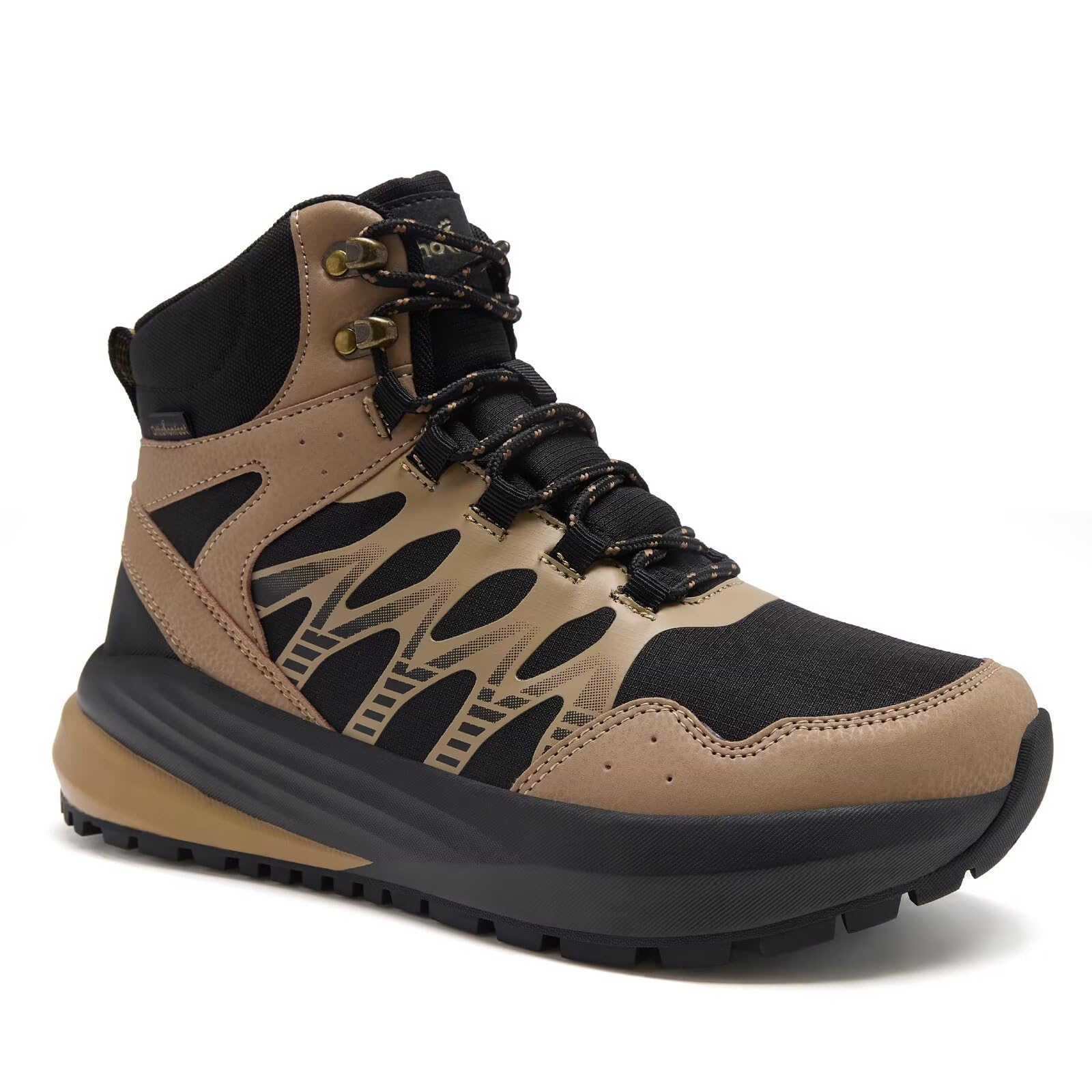
Wide toe box, waterproof, a supportive ankle — and one durability question mark you should weigh first.
The pitch here is toe room plus a stable ankle without paying the premium-tier price. Owners who like it really like the wide toe design and the plenty-of-room feel in the toe box — the exact quality a neuroma needs. The boots also draw praise for being well made, with several describing them as among the best they have used.
Comfort is the top praise point, and for a work-adjacent shoe that counts. Owners with plantar fasciitis and neuropathy report the footbed eases pressure under the ball of the foot. Waterproofing is part of the package, so wet trail or slushy pavement does not soak through.
Now the honest part. Durability is a real concern with this boot — multiple customers note the construction breaking down sooner than expected. And the fit runs both ways: some men find the wide toe box generous, others find the boot too small. If you are hard on your boots or plan to wear them daily for years, this is a calculated risk. For light seasonal trail use, the toe box and comfort make it a serviceable pick.
wet trails: you want a wide, waterproof hiking boot for occasional trail and cold-weather use and the toe room is the priority.
summer hikes: you need a boot to hold up to daily hard use — durability is the recurring concern with this one.
7. Orthofeet Granite Orthopedic Men’s Work Boots

An orthopedic work boot built for long shifts on hard concrete.
Comfort leads the praise here, and specifically comfort that holds up over long distances. Reviewers point out walking long stretches without foot or knee pain, a sign the Granite spreads load off the ball of the foot. It also draws consistent praise from people managing plantar fasciitis, whose forefoot pressure concerns overlap with a neuroma’s.
Quality is the second pillar — the boots are described as fantastic, with strong recommendations attached. And it has the one thing the newer boots on this list lack: a track record, having been around since 2021.
The trade-off is honest and consistent. Durability is the split point, with some men finding them long-wearing and others reporting breakdown after about two months. Fit also runs large on some feet, and value divides opinion — a fair thing to know before you commit. If you want a work boot where long-distance comfort is the priority, this delivers. If you need armored longevity, look at the Camden.
work boot durability: long-distance comfort and quality construction, backed by years of real-world wear — the Granite is the orthofeet work boot aimed squarely at hard-floor pain.
weighty sole: durability and fit both split, so a careful size check up front is worth the extra minute.
long shifts: you want long-shift comfort with an orthopedic footbed and a longer track record than the newer boots here.
office days: longevity under heavy abuse is the priority — the durability record on this one is mixed.
8. Z-CoiL Prime Women’s Boot
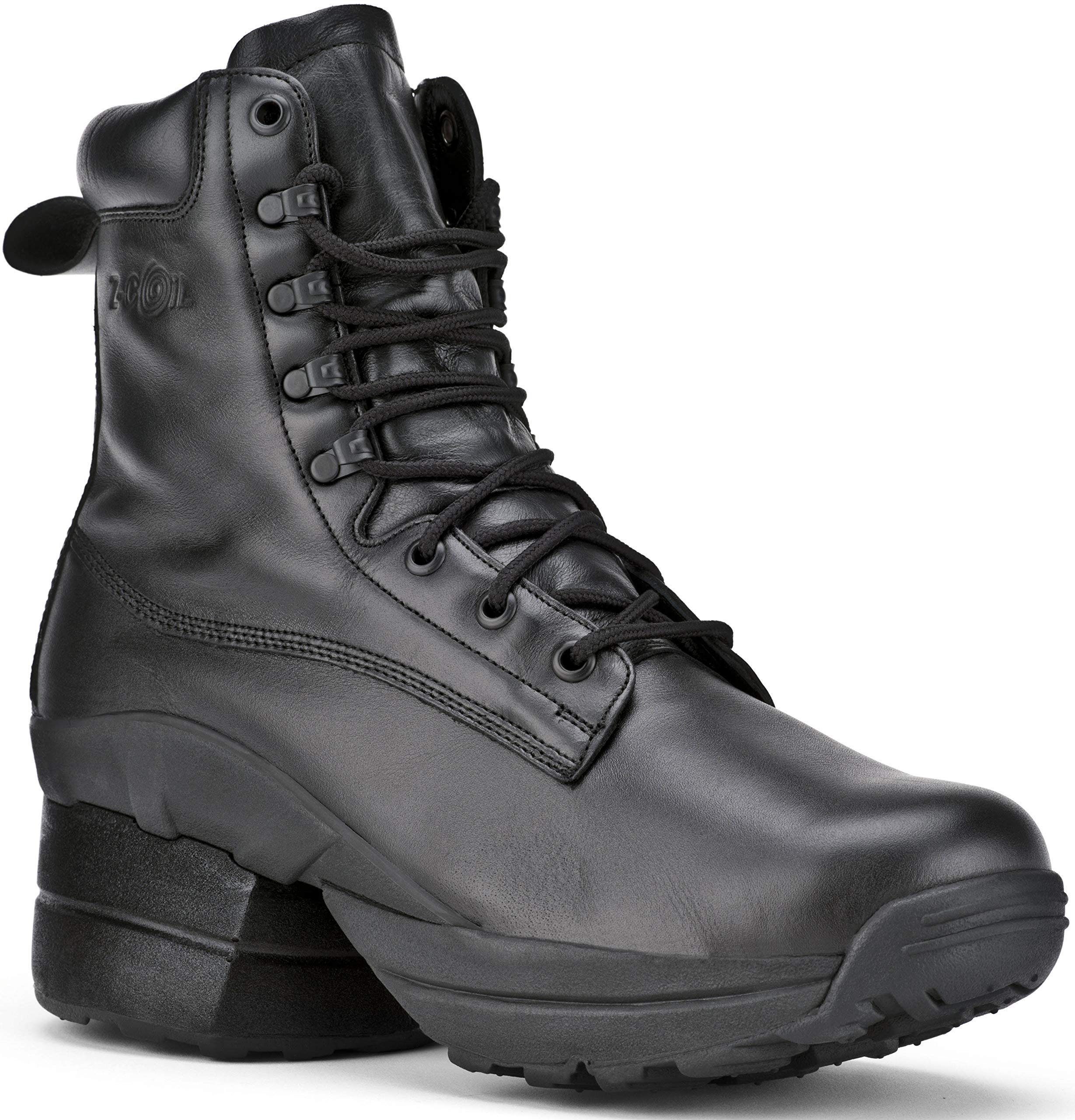
A coil-and-orthotic boot that softens each heel strike for feet that feel every landing.
Where most boots soften the ground with foam, the Prime uses an enclosed coil under the heel plus a built-in orthotic — a footbed shaped to support your arch without adding a separate insert. For a neuroma, less impact through the metatarsals at each heel strike is a real benefit. Shoppers say less back and ankle pain, consistent with the coil’s shock absorption.
Quality is the strongest praise point, and comfort follows close behind. This is a premium boot, and it is priced and positioned as one — worth knowing if you are comparing against the Orthofeet Siena at the budget-friendly end of the list.
Two things to check. Fit splits — some women find the boot runs big, so a half size down may be the call. Durability also divides, and value draws mixed reviews given the premium positioning. The Prime is the pick for someone who values the coil system and the built-in orthotic enough to accept the trade-offs.
heel pain: women who want shock absorption and an orthotic built into the boot rather than added after purchase.
uneven ground: anyone who wants a sure-thing size — the fit splits toward running big.
9. Kenetrek Men’s EverStep Orthopedic NI Hiking Boots
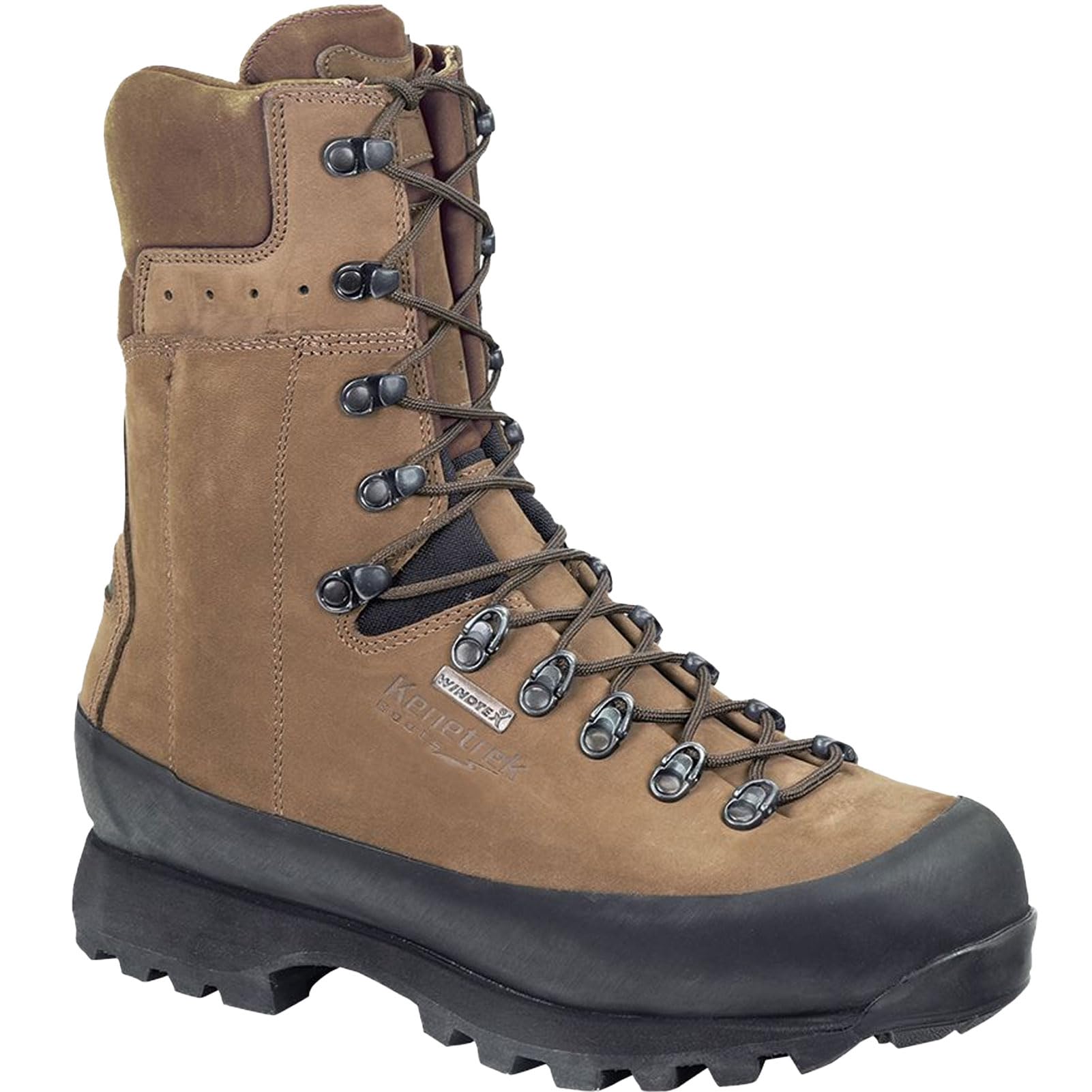
A 19-degree rocker that rolls your foot forward instead of bending it at the ball — that is the neuro-friendly trick here.
The EverStep’s signature is a 19-degree toe rocker — the sole curves upward at the front so your foot rolls forward instead of flexing hard at the metatarsals. That curve is exactly what you want when a neuroma flares at push-off, since less bend at the ball means less nerve squeeze. Kenetrek pairs it with a stiff 7mm nylon midsole and lightweight K-Talon outsoles, so the platform stays stable under a loaded pack.
Built for tough ground: 2.8mm leather uppers with reinforced double and triple stitching in high-wear areas, a protective rubber sole guard for abrasion resistance, and the APMA Seal of Acceptance on the EverStep platform.. A Windtex waterproof membrane adds wet-weather protection without insulation, and the 10-inch leather upper shields your lower leg. Removable nylon ankle supports are there if you want them. The stated item weight is 4.2 pounds.
Ankle support and comfort and quality all land at the top of owner feedback. The one thing to weigh carefully is value — it is the premium end of this list, and cost draws as many unhappy notes as happy ones. If you hike rough ground and want the rocker and the rigid support, this delivers. If your walking is pavement-level, a lighter boot makes more sense.
orthopedic hiking build: that 19-degree rocker with a 7mm nylon midsole is a genuinely different approach to offloading the ball of the foot from the foam-heavy boots here.
premium price: the cost is the sticking point for a meaningful share of buyers — this is a serious purchase, not a casual one.
rough terrain: you hike uneven, wet terrain and want a rocker sole plus rigid midsole to reduce bend at the ball.
budget buyers: most of your steps happen on flat pavement where a lighter walker would serve you better.
Know the Specs
Toe Box Width and Depth
Width is horizontal room across the metatarsals; depth is vertical room above them. A neuroma needs both. Width lets the long bones splay so they stop compressing the nerve, and depth leaves space for a metatarsal pad or orthotic so it can sit under the ball instead of pushing your toes into the ceiling. When a listing says “extra depth” or wide toe design, that is this spec talking.
Rocker Sole and Midsole Stiffness
A rocker sole curves upward at the toe so your foot rolls forward instead of bending sharply at the metatarsals — less flex at the ball means less nerve squeeze. A stiff midsole spreads load across the whole foot. Look for a stated rocker angle or a nylon midsole if you want the boot itself to do the offloading.
Removable Footbeds and Orthotics
If the factory footbed pulls out, your own orthotic sits flat against the boot floor rather than stacked on top of padding. That matters because a metatarsal pad under the ball of the foot is often what takes pressure off the nerve. Boots here with removable insoles: the KEEN Camden, the ABEO MXV Shift, and the Kenetrek EverStep’s removable ankle supports.
Weight and Heft
Weight per boot tells you how the boot will feel over a long day. At one end, the KEEN Camden is 4.5 pounds and the Kenetrek EverStep is 4.2 pounds — both built for protection and hard ground. At the other, the Dr. Comfort Ranger is 3.05 pounds, which is easier on distance walks. Heavier boots shield the foot; lighter boots tire you less.
Common Questions
Will a wide boot actually help a Morton’s neuroma?
Should I size up in boots for a neuroma?
Can I put my own orthotic in these boots?
What does a metatarsal guard do on a work boot?
Are rocker sole boots better for ball-of-foot pain?
How long should a neuroma-friendly boot last?
Is a walking shoe better than a boot for Morton’s neuroma?
What is extra depth and why does it matter?
Do these boots work for wide feet specifically?
The Bottom Line
For most people, the boots for morton’s neuroma winner is the Orthofeet Siena because it gives you three comfort options and genuine arch support in one warm ankle boot. If your priority is a wide toe box and extra depth for an orthotic, the Dr. Comfort Ranger is the roomiest option here. For a jobsite with a metatarsal guard, grab the KEEN Camden, and if you hike rough terrain, the Kenetrek EverStep and its 19-degree rocker are the ones to reach for.
One last nudge: the Siena has earned the most trust on this list, but the Ranger’s extra depth is the spec that makes the biggest difference for a neuroma that flares at the ball of the foot. Pick the one whose strength matches your worst flare.
How we choose
We do not accept paid placement. Every pick is matched to a real buyer and a real use-case; we do not hands-on test units.
Sources
Specifications: manufacturer listings and product documentation. Review insights: verified customer reviews, as of November 2026. Pricing: not shown on this page (it changes often); check the current price via the retailer link.
As an Amazon Associate, My Heart Lives Here earns from qualifying purchases. This does not affect which products we feature.