Heads up: This post contains affiliate links. As an Amazon Associate I earn from qualifying purchases, at no extra cost to you. Learn more
Specs are compiled from manufacturer listings and verified buyer reviews and can change over time — please confirm the key details on the product page before buying.
Augmented reality glasses have quietly split into two tribes: cinematic virtual screens that float a giant display in front of your eyes, and AI-first frames that put a camera and an assistant on your face. This guide sorts the ten most talked-about pairs by what they actually do well, so you spend on the right tribe.
This guide is built by comparing the manufacturers’ published specifications and the patterns across verified customer reviews, so you get each pick’s real strengths and trade-offs instead of marketing spin.
Augmented reality glasses now split into big virtual screens and AI-first camera frames, and this guide sorts both by real owner experience. Here is the best augmented reality glasses shortlist.
Top Picks

Side-by-Side Comparison
| Model | Best For | Display | Compatibility | Comfort | Amazon |
|---|---|---|---|---|---|
| Meta Quest 3S 128GB VR Headset★ Best Overall | Family VR fun | VR headset | Meta ecosystem | Cushioned fit | Amazon |
| VITURE Luma Ultra AR GlassesSharpest Screen | Movie nights | 152-inch virtual | Phone, PC, console | Mixed over hours | Amazon |
| 2 PRO AR GlassesBest for Work | Laptop multitasking | 135-inch 120Hz | Mac and Windows | Lightweight | Amazon |
| Rokid Ai Glasses Style | Hands-free capture | No display | Phones and travel | Everyday frame | Amazon |
| Ray-Ban Meta (Gen 2), Headliner AI Glasses | Everyday wear | No display | Phone pairing | Slim frame | Amazon |
| Meta Ray-Ban (Gen 2) Wayfarer Smart AI Glasses | First smart pair | No display | Phone pairing | Wayfarer shape | Amazon |
| Rokid AR Spatial Video Glasses | Floating workspaces | Three screens | Bundled station | 120Hz OLED | Amazon |
| Zenith HUD Sports Glasses for Cycling and Hiking | Cycling and hiking | HUD overlay | Sports-focused | Photochromic lens | Amazon |
| VITURE Beast XR/AR Glasses | Private cinema | 174-inch virtual | Phone, PC, console | Comfortable fit | Amazon |
| XREAL One Pro AR Glasses | Stable viewing | 171-inch 120Hz | Phone, PC, console | Native 3DoF | Amazon |
Detailed Reviews
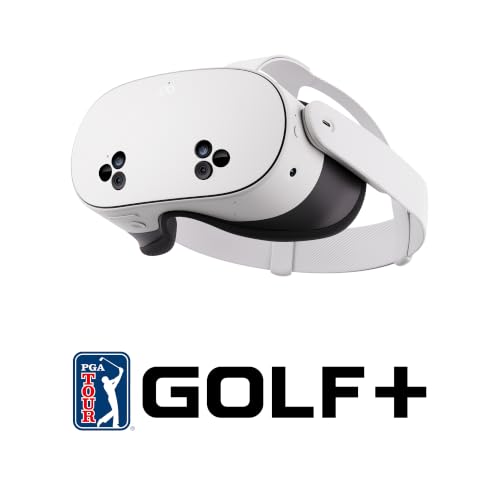
1. Meta Quest 3S 128GB VR Headset
Our pick — 4.5+★ from 6,500+ verified ratings; the strongest balance of quality and price.
A wireless headset that drops you straight into virtual rounds and room-scale play.
What wins people over is pure fun: no cables, a bundled round of GOLF+ at TPC Sawgrass, and a headset kids take to instantly. Setup runs through the Meta Horizon app, and the included controllers and glasses spacer get most face shapes going quickly.
The honest trade-off is stamina and long-term trust. Battery life is the recurring gripe, so plan shorter sessions or a top-up between them, and a minority of units stop working unexpectedly — buy from a seller with a clean return path.
Why it wins
- Cord-free play from the start
- Bundled GOLF+ and credits
Watch for
- Battery life runs short
Best for: Households wanting shared, cable-free VR
Trade-off: Short battery between charges
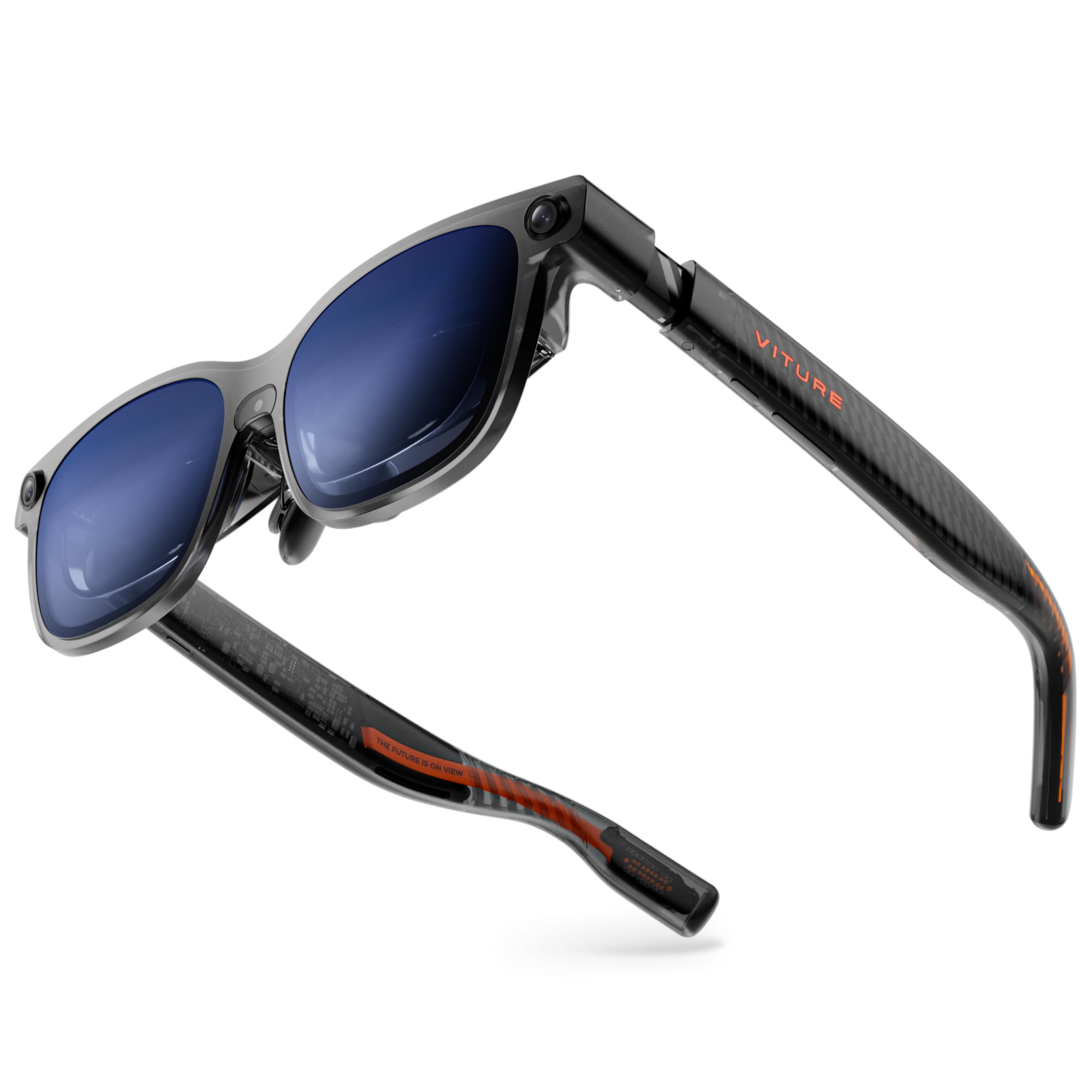
2. VITURE Luma Ultra AR Glasses
A cinematic pair that throws a huge, razor-sharp screen in front of your eyes.
The display is the headline: a 152-inch virtual screen at 1200p that reads crisp enough for text and films, with real-time 2D-to-3D conversion and hand-gesture control adding a layer of novelty. It plugs into phones, Macs, PCs and consoles, so it doubles as a private monitor.
Functionality is where it wobbles — some units behave, others misbehave often enough to frustrate — and comfort fades over long sessions. Treat it as a great picture with a temperamental streak rather than a daily driver.
What shines
- Very sharp virtual image
- Works across many devices
Keep in mind
- Comfort fades on long use
Ideal for: Viewers chasing the biggest, sharpest picture
Caveat: Functionality can be inconsistent
3. 2 PRO AR Glasses
A productivity-minded pair that turns a laptop into a wall of virtual monitors.
This one is built for desks: a 135-inch 120Hz display plus multi-screen and ultra-wide modes when paired with Mac or Windows laptops, with 3D spatial audio and dual AMOLED panels. Build quality draws praise, and the lightweight frame helps on long work stretches.
The multi-monitor feature is the sore spot — it does not always cooperate — and image quality splits opinion. If your workflow depends on extra screens, test that mode early and keep expectations modest.
Strengths
- Solid build and light frame
- Multi-screen productivity modes
Watch out
- Multi-monitor mode can fail
Suits: Remote workers wanting extra screens
Limitation: Multi-screen reliability varies
4. Rokid Ai Glasses Style
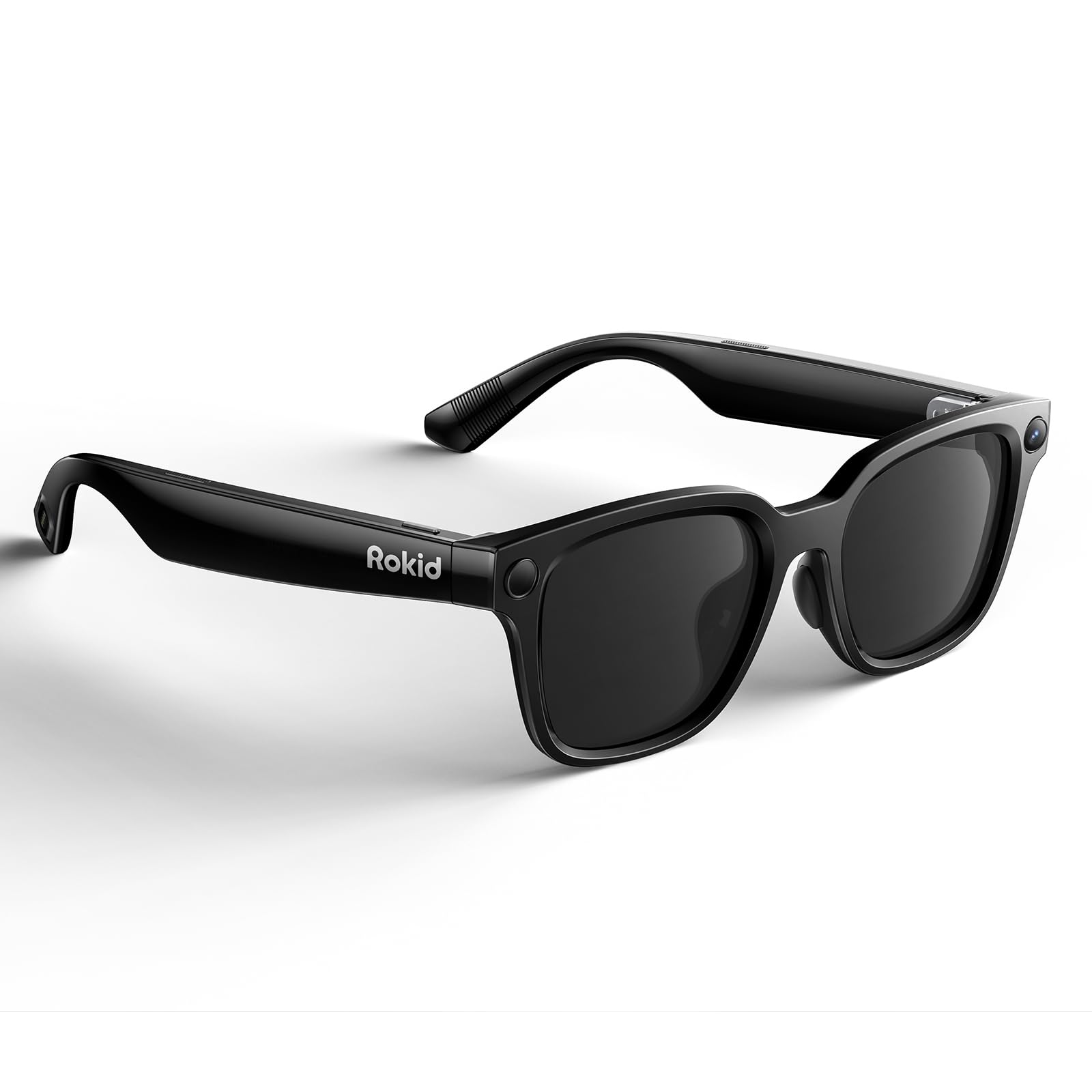
Audio sunglasses with a camera and two AI assistants built into the frame.
These are glasses first: a 12MP Sony camera for stills and 3K video, hands-free calls, music and real-time translation, with both Gemini and ChatGPT on tap for spoken, context-aware answers about what you see. Camera quality is the standout.
The rest is uneven — AI responses can lag, and connectivity, audio and value all draw split verdicts. Buy them for the camera and the assistant idea, not for audiophile sound or flawless software.
What works
- Strong camera for stills and video
- Two AI assistants on board
Reality check
- AI responses can lag
Great for: Travelers wanting a camera on their face
Limitation: Software and audio are uneven
5. Ray-Ban Meta (Gen 2), Headliner AI Glasses
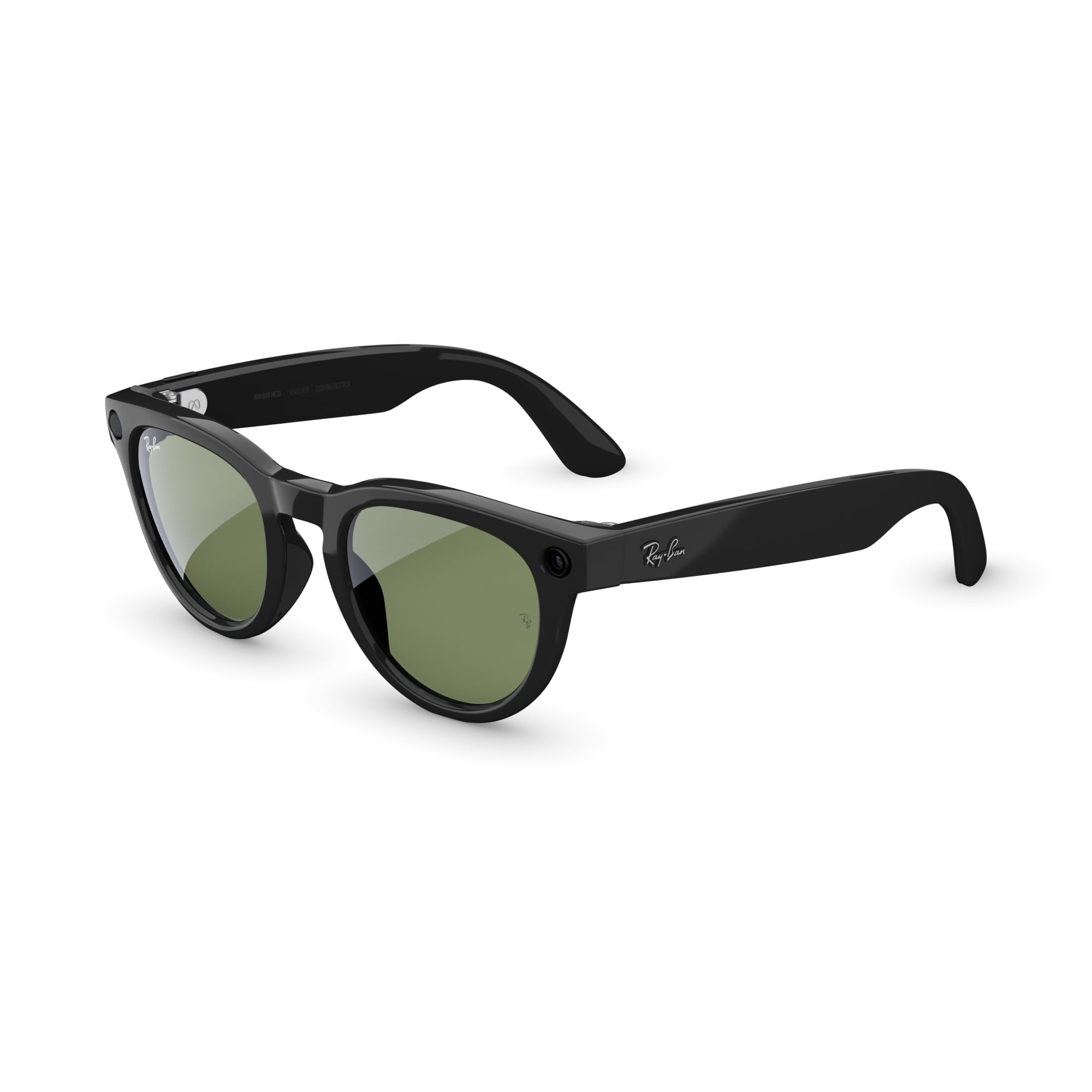
The polished second generation of the famous camera-and-audio smart frame.
Design and camera quality are what carry this pair: it looks like a normal stylish frame, captures good photos and video, and handles music, calls and live translation without reaching for your phone. Battery and camera both step up over the previous generation.
Audio is the dividing line — fine for casual listening, thin for anyone expecting real sound — and the fit runs small for some heads. Durability and value also split opinion, so try the sizing before committing.
Why people like it
- Great looks and camera
- Hands-free calls and translation
Trade-offs
- Audio quality divides opinion
Best for: Style-conscious everyday wearers
Caveat: Fit runs small for some
6. Meta Ray-Ban (Gen 2) Wayfarer Smart AI Glasses
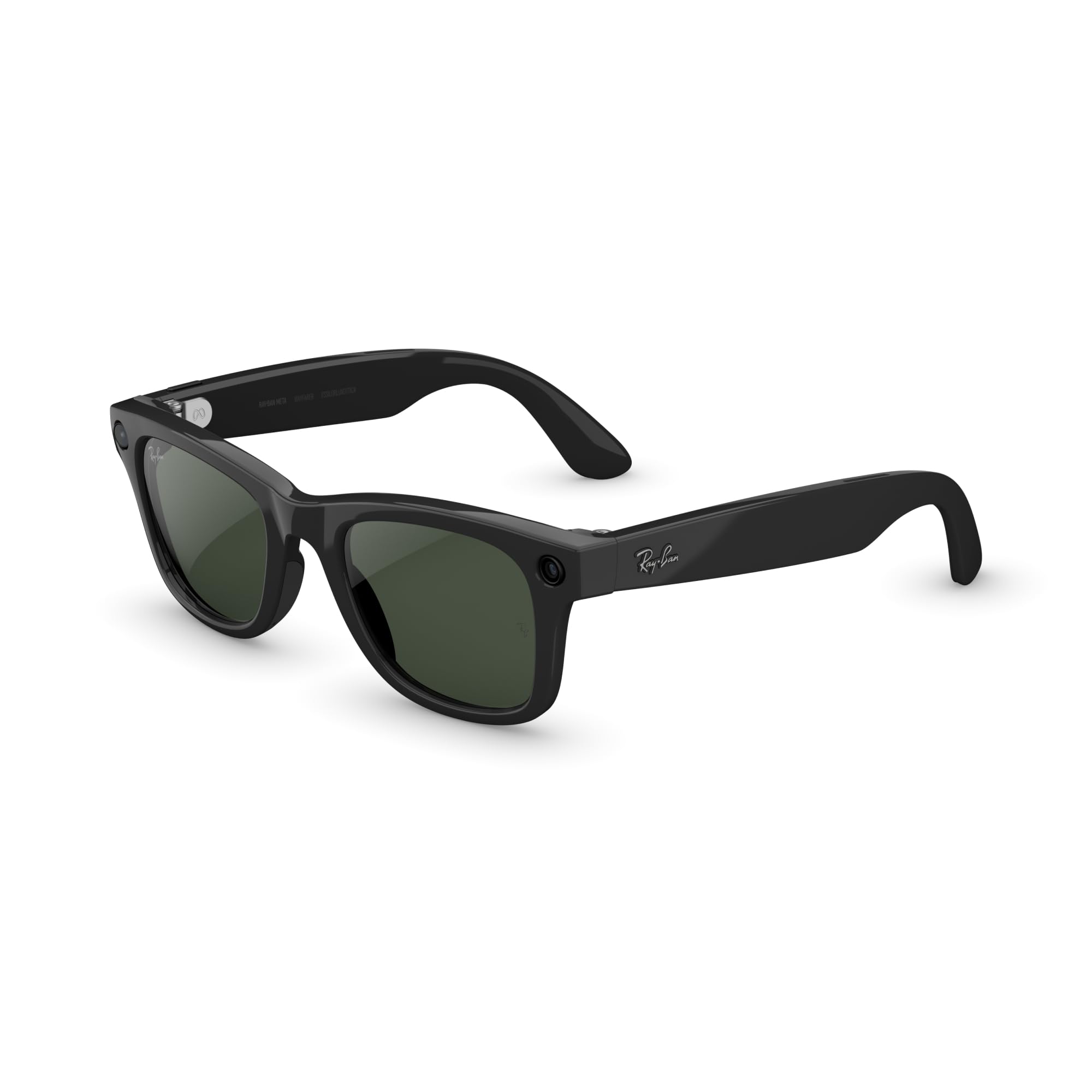
The Wayfarer take on smart glasses, and the most widely adopted of the bunch.
This is the version most people picture when they hear smart glasses: a familiar Wayfarer shape with a camera, open-ear audio and Meta AI for capture, calls and quick questions. The crowd favorite status is earned — it is the safest first pair for most buyers.
Expect the same honest limits as the category: audio is decent rather than rich, and durability and value draw mixed notes. It is a lifestyle frame, not a display, so do not buy it expecting a floating screen.
What wins people over
- Familiar, wearable design
- Camera and AI built in
Keep in mind
- No virtual display
Ideal for: Buyers wanting a mainstream first pair
Limitation: Audio is modest, not rich
7. Rokid AR Spatial Video Glasses
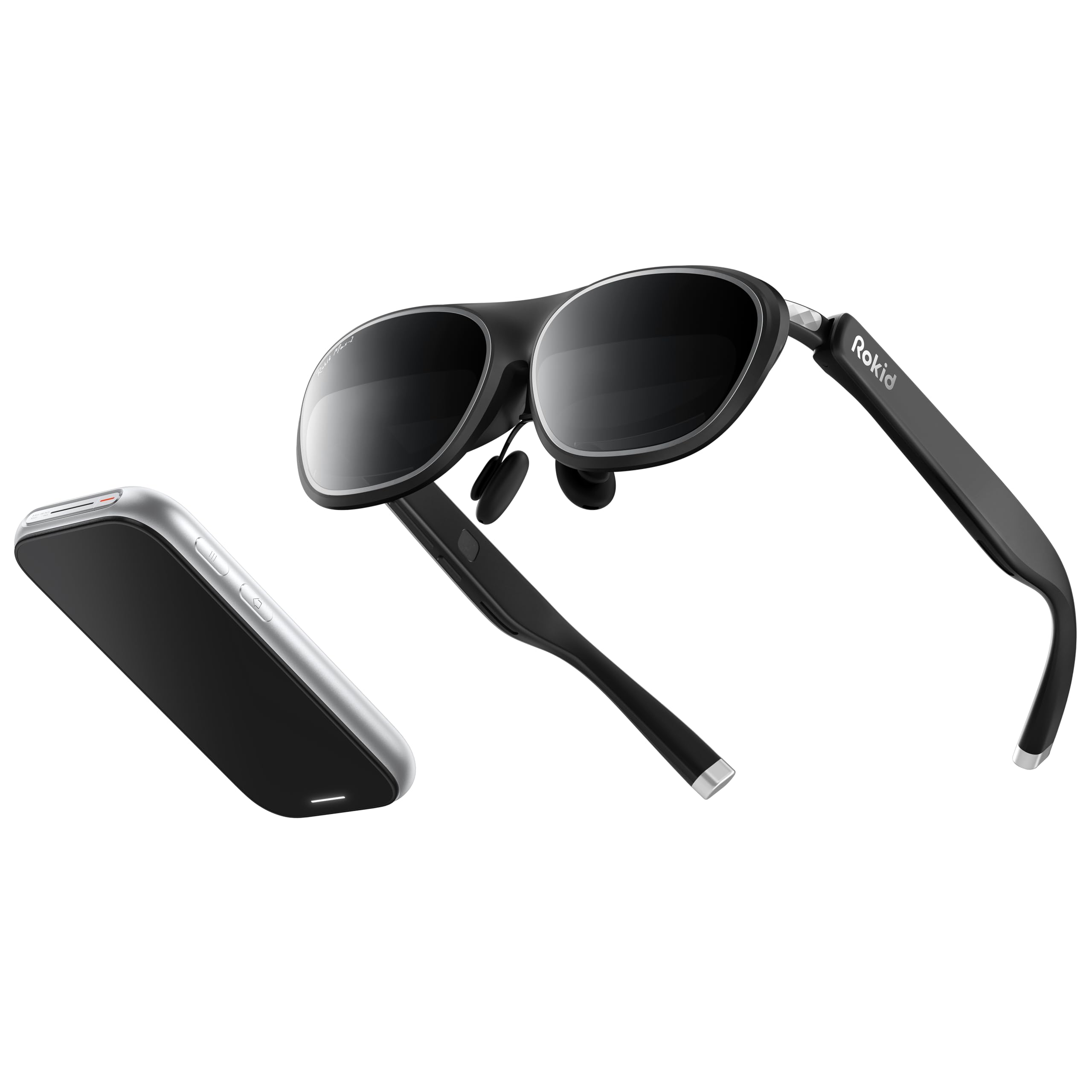
A bundle that pairs AR glasses with a station for genuine three-app multitasking.
The pitch is productivity in the air: a unique three-screen display lets you run three apps at once, backed by a 120Hz micro-OLED panel and a companion spatial computer for gaming and work. Device quality itself draws solid praise.
Display quality is mixed — crisp video for some, blurriness in a corner for others — and value and reliability split opinion. Android three-screen use depends on DLNA, so check your phone before counting on it.
Highlights
- True three-app multitasking
- Station included in the box
Watch for
- Corner blur reported
Suits: Power users juggling several apps
Caveat: Android multi-screen needs DLNA
8. Zenith HUD Sports Glasses for Cycling and Hiking
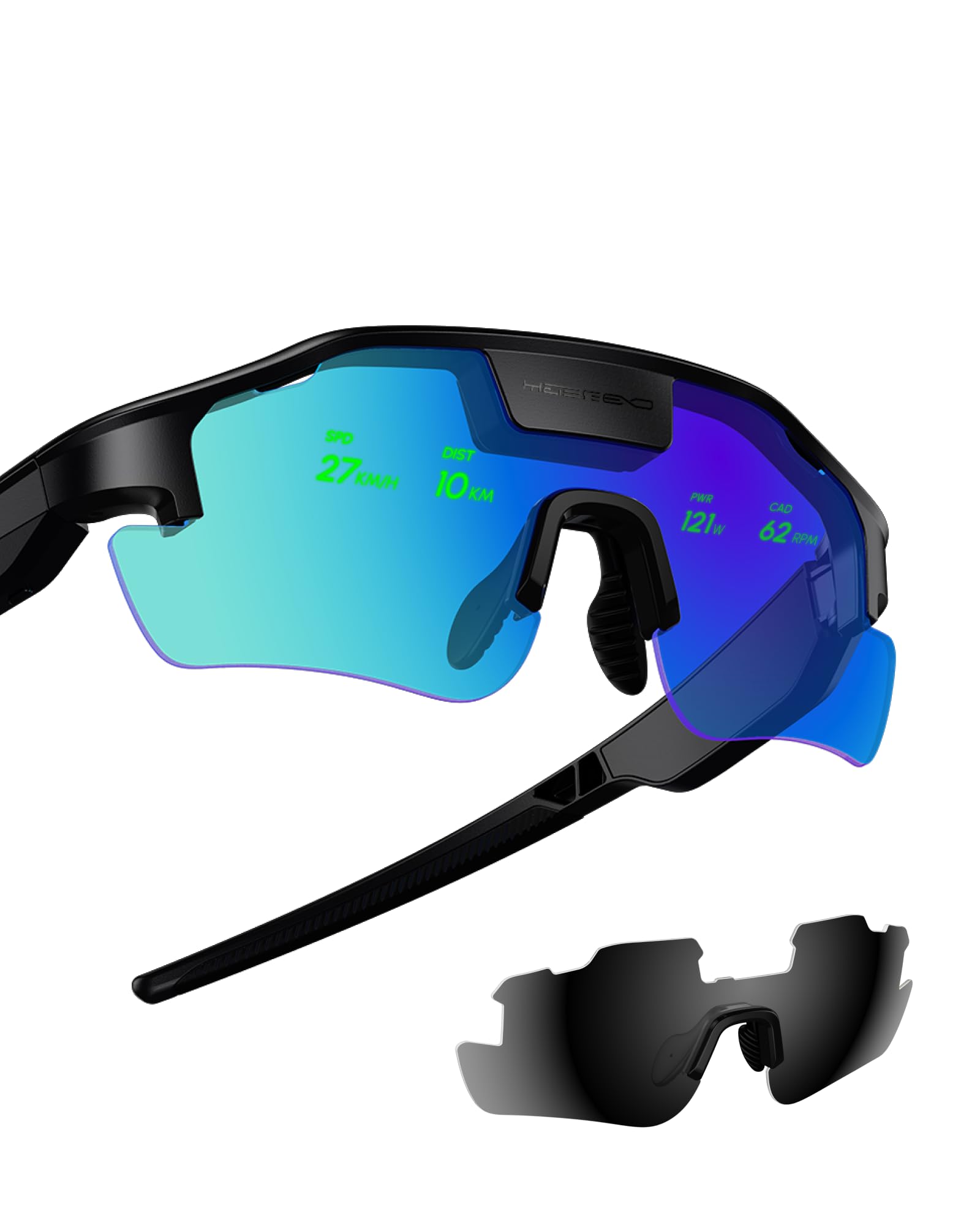
Sports glasses that float speed, heart rate and directions into your line of sight.
Built for motion: the HUD projects speed, heart rate, power and navigation right where you are already looking, so you never break focus to glance at a device. Turn-by-turn guidance keeps rides and hikes on route, and the photochromic lens handles changing light.
This is a niche tool, not a media device — there is no big virtual cinema here. If you want entertainment or a desktop replacement, look elsewhere; if you want your numbers in view while moving, this is the fit.
Why it works
- Metrics stay in your sightline
- Navigation without looking down
Reality check
- No big virtual screen
Great for: Cyclists and hikers tracking effort
Limitation: Not a media or work display
9. VITURE Beast XR/AR Glasses
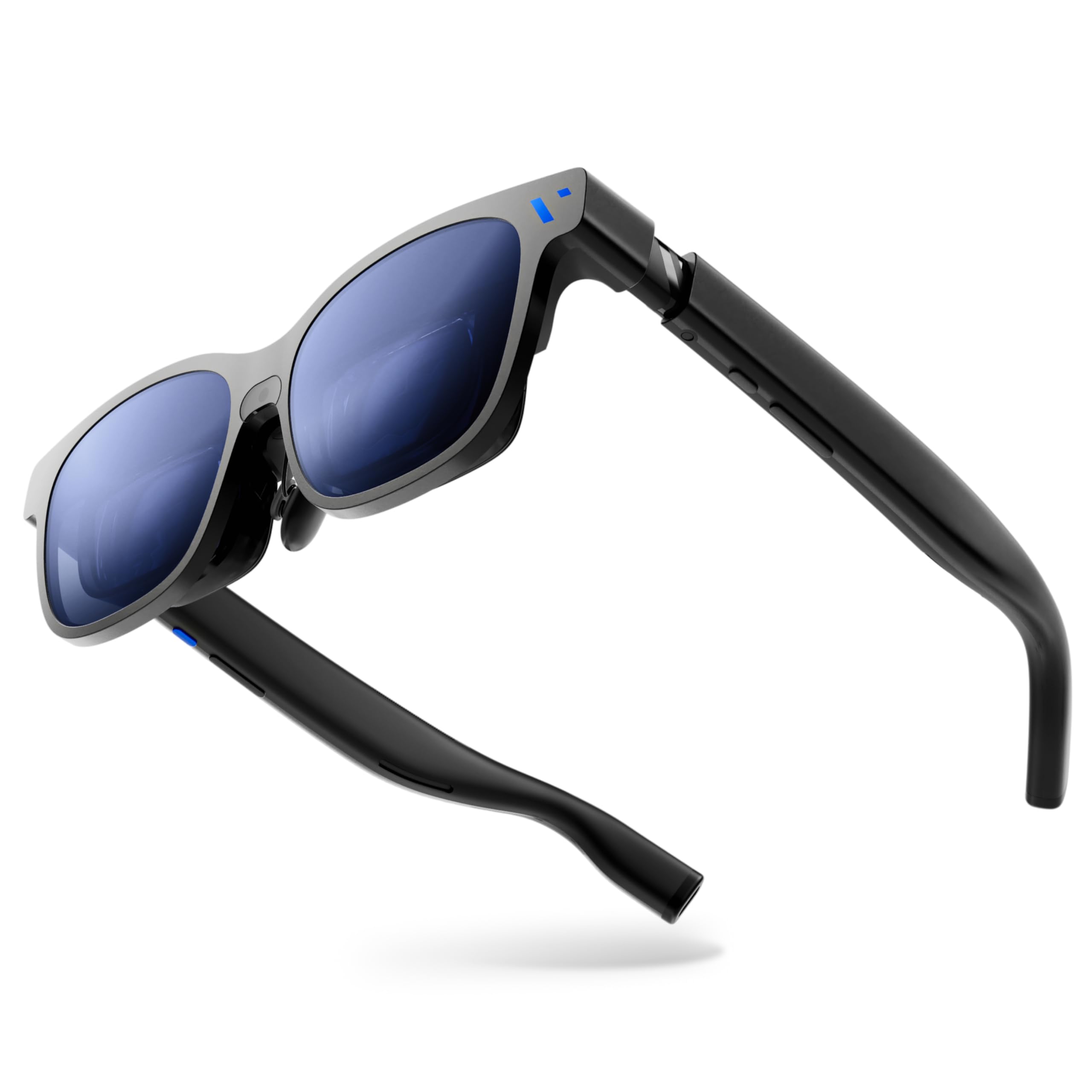
The largest virtual screen in the category, aimed squarely at entertainment.
Picture quality and sheer size are the draw: a 174-inch virtual screen with a wide field of view and Sony micro-OLED panel that owners liken to a private movie theater, plus real-time 2D-to-3D conversion and adjustable dimming. Comfort holds up for long viewing.
Functionality and value draw mixed notes, so calibrate expectations on software polish. As a movie-and-gaming screen it delights; as an all-purpose computer it is less certain.
What shines
- Enormous, vivid virtual screen
- Comfortable for long viewing
Keep in mind
- Software polish is uneven
Ideal for: Movie and game marathons
Caveat: Functionality is inconsistent
10. XREAL One Pro AR Glasses

Glasses with a dedicated spatial chip for stable, low-latency tracking.
The self-developed chip delivers native 3DoF tracking with very low motion-to-photon latency, keeping the image steady during quick head movements, with an optional add-on for full 6DoF anchoring. The 171-inch 120Hz FHD screen feels like a personal display, and the large size is a recurring favorite.
Display and functionality split opinion — sharp for some, blurry for others — and comfort and ease of use vary by wearer. It is a strong pick for stable viewing, provided you can try the fit.
Strengths
- Stable, low-latency tracking
- Big, smooth 120Hz screen
Watch out
- Display sharpness varies
Suits: Viewers who notice motion blur
Limitation: Comfort varies by wearer
Common Questions
Do I need a phone to use AR glasses?
What is the difference between AR glasses and VR headsets?
Can I wear AR glasses with prescription lenses?
The Bottom Line
Across the board, the best augmented reality glasses winner is the Meta Quest 3S 128GB | VR Headset — Golf+ Included — Tee Off in VR because it delivers the most complete, cable-free experience for the money, bundling a game and controllers so the fun starts the moment it is charged. If you want a giant private cinema, look at VITURE Beast XR/AR Glasses: Biggest. Boldest. Smartest. 174″ 1200p, 58°FOV or VITURE Luma Ultra AR Glasses, 152”, Full 6Dof Support, AR Hand Gestures, 52° FOV, 1500 Nits,XR Glasses for iPhone 17/16/15, Android, Mac, PC, Switch&Switch 2, World’s 1st Real-time 2D to 3D; for desk multitasking, 2 PRO AR Glasses | 2D to 3D Image and Video | Reality/Virtual Switch | Multi-Screen | 135″ 120Hz Display for Work & Entertainment |Compatible with iPhone15/16, Android, Mac Win Steam Deck and Rokid AR Spatial Video Glasses with 3-Screen Display, Max2 Black AR Glasses & Station2 Spatial Computer with 360″ Micro-OLED, 120Hz OLED, 600 Nits, Multi-Tasking for Gaming are the ones to compare, while Ray-Ban Meta (Gen 2), Headliner AI Glasses and Meta Ray-Ban (Gen 2) Wayfarer Smart AI Glasses cover the stylish AI-frame route.
How we choose
We do not accept paid placement. Every pick is matched to a real buyer and a real use-case; we do not hands-on test units.
Sources
Specifications: manufacturer listings and product documentation. Review insights: verified customer reviews, as of November 2026. Pricing: not shown on this page (it changes often); check the current price via the retailer link.
As an Amazon Associate, My Heart Lives Here earns from qualifying purchases. This does not affect which products we feature.