Heads up: This post contains affiliate links. As an Amazon Associate I earn from qualifying purchases, at no extra cost to you. Learn more
Specs are compiled from manufacturer listings and verified buyer reviews and can change over time — please confirm the key details on the product page before buying.
Your forefoot is telling you something — that sharp, hot feeling under the ball of your foot with every step. The fix is not a thinner sock or a thicker pad taped inside. It is a shoe with real cushioning under the metatarsals (the long bones running to your toes) and a roomy toe box that stops squeezing them together. The short answer: the ASICS SUPERBLAST 2 is the strongest all-round pick here, with the Hoka Bondi 9 the one to beat for pure softness underfoot, and the ABEO MXV Shift the most purpose-built women’s option for ball-of-foot pressure.
This guide is built by comparing the manufacturers’ published specifications and the patterns across verified customer reviews, so you get each pick’s real strengths and trade-offs instead of marketing spin.
You will see how cushioning depth, toe-box room, and heel-to-toe drop change what your forefoot feels on a long day. This list of the athletic shoes for metatarsalgia ranks each model by forefoot cushioning and toe-box room.
Top Picks
How To Choose The Best Athletic Shoes for Metatarsalgia
When the ball of your foot hurts, the shoe has to do two jobs at once. It needs to cushion the forefoot so the metatarsal heads (the knobby ends of those long bones) are not taking the full load. And it needs to give your toes room so they are not pinched together with every stride. Get both right and each step stops landing on a sore forefoot.
Look at what sits under the ball of your foot
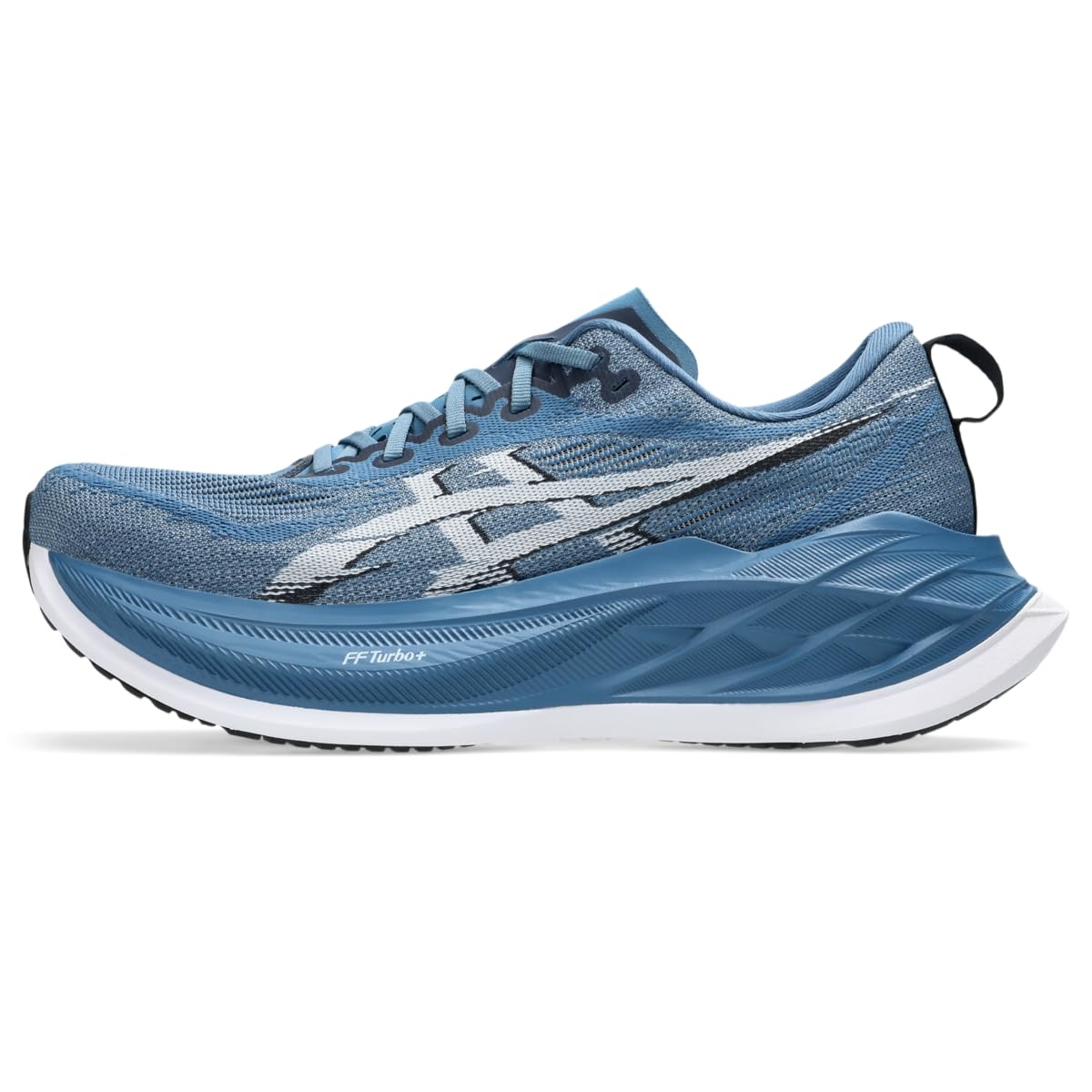
The most important thing is the cushioning layer directly under your forefoot, not the bouncy heel. A thick, energy-returning midsole (the soft layer between your foot and the outsole) spreads impact across a wider area. On the ASICS SUPERBLAST 2 that layer combines two foams the brand names FF BLAST PLUS and FF BLAST TURBO. On the Hoka Bondi 9 the emphasis is on a soft, resilient foam midsole with an increased stack height (the thickness of cushioning under your foot).
Give your toes real room
Squeezed toes push the metatarsal bones together, which is the opposite of what a sore forefoot wants. A wide toe box lets those bones fan out naturally. Altra builds the Solstice XT 3 around a FootShape fit that deliberately leaves space at the front. G-DEFY sells its MATeeM in M, W, and XW widths, where W is roughly a quarter inch wider than standard and XW about half an inch wider.
Think about how the shoe rolls you forward
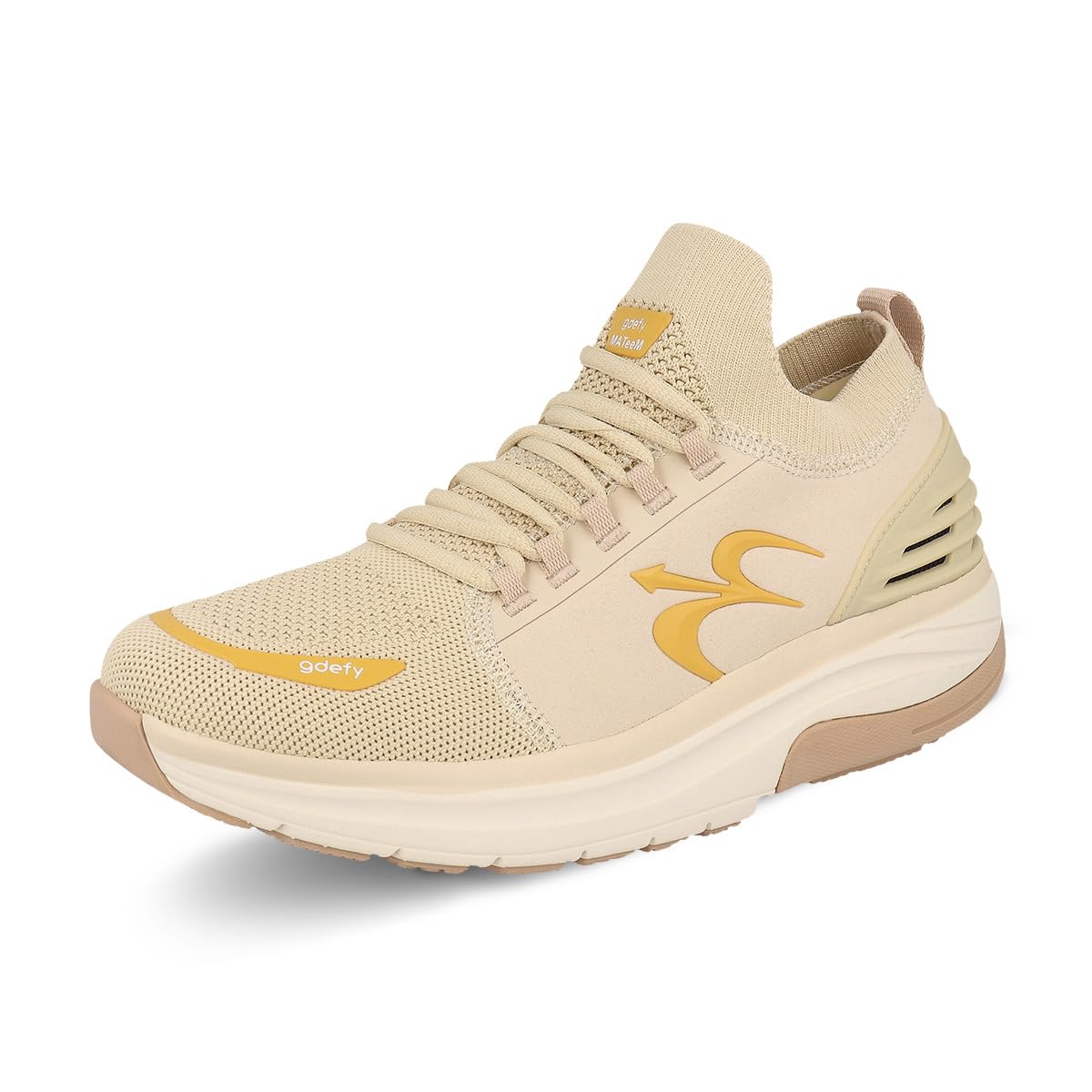
A rocker sole is curved so your weight rocks from heel to toe rather than slapping flat. G-DEFY builds its MATeeM around exactly that design, and the brand advises starting on flat surfaces while you adapt. The trade-off is a learning curve — most people settle in within a few days, but stairs feel strange at first.
Check the drop before you commit
Drop is the height difference between the heel and the toe of the shoe. The Altra Solstice XT 3 runs a 0 mm drop, which puts your heel and forefoot level. A level platform changes how load travels through the foot, so it suits some runners and catches others out. Try before you commit if you have never worn a 0 mm shoe.
Side-by-Side Comparison
| Model | Best For | Cushioning Focus | Toe-Box / Fit | Weight | Amazon |
|---|---|---|---|---|---|
| ASICS Unisex SUPERBLAST 2★ Best Overall | Best overall all-rounder | FF BLAST PLUS + FF BLAST TURBO | Engineered mesh, roomy | 1.44 pounds | Amazon |
| New Balance Fresh Foam X Hierro V9Best for Trails | Trail and hiking days | Dual-density Fresh Foam X | Gusseted tongue, knurled knit | 2.1 pounds | Amazon |
| G-DEFY MATeeM Women’s Cross TrainerBest Rocker Sole | Prolonged standing and walking | VersoShock rocker sole | M / W / XW widths | 2.45 pounds | Amazon |
| Orthofeet Tilos Orthopedic Sneakers | Orthotic-friendly daily wear | Ortho-Cushion with built-in orthotic | Removable insole, extra depth | — | Amazon |
| Brooks Men’s Ghost Max SE | Soft daily walker | Max cushioning | Neutral fit | 3 pounds | Amazon |
| ALTRA Solstice XT 3 | Wide toe-box training | InnerFlex grooved midsole | FootShape roomy toe box | 9.5 oz | Amazon |
| ABEO MXV Shift Women’s | Ball-of-foot pain relief | Removable orthotic footbed | Knit & TPU upper | — | Amazon |
| Hoka Men’s Bondi 9 | Maximum plush cushioning | Increased stack, premium foam | 3D molded collar | 3 pounds | Amazon |
| On Mens Cloudmonster 2 | Max energy return | Biggest-ever CloudTec | Known to run tight up front | — | Amazon |
Detailed Reviews
1. ASICS Unisex SUPERBLAST 2 Running Shoes
Our pick — 4.5+★ from 1,000+ verified ratings; the strongest balance of quality and price.
Two racing-grade foams underfoot for a bouncy, weightless roll that keeps forefoot load off your toes.
This is the pick for the runner or walker who wants real cushioning under the ball of the foot without a heavy boot. At 1.44 pounds it is the lightest shoe in this lineup. For scale, the Brooks Ghost Max SE sits at 3 pounds on the same kind of spec sheet. That lightness comes from the midsole mixing FF BLAST PLUS — a lightweight foam that absorbs impact and rebounds — with FF BLAST TURBO, the same foam ASICS uses in its METASPEED racing models. In plain terms, you land soft and get pushed back up.
What wins people over is comfort, and by a wide margin: owners describe it as roomy rather than tight, and many call it ideal for long runs and easy miles. The engineered mesh upper (a woven top that lets air through and adapts to the foot) keeps airflow moving. A gusseted tongue wing system holds the midfoot steady so the tongue does not slide. The heel stabilizer adds balance to each stride. A pull loop at the back makes it easy to get on.
The honest catch is durability. Some buyers report soles wearing through faster than they would like, and a few find it hard to justify the cost when the tread goes early. Fit runs slightly roomy, which is a plus for a pressurized forefoot but can feel loose for a narrow foot. If you want maximum value per mile, the Hoka Bondi 9 has a stronger reputation for handling everyday wear.
Where it pulls ahead
- Lightest in the lineup at 1.44 pounds, so your forefoot is not fighting extra weight
- Two-foam midsole gives a soft landing with a springy push-back
- Roomy, breathable mesh upper that does not squeeze the toes
- Gusseted tongue wing and heel stabilizer keep the foot planted
Where it gives ground
- Sole durability is a recurring gripe — expect to replace sooner than a trail shoe
- Cost-per-mile can feel high if the tread wears early
- Roomy fit may be too loose for very narrow feet
Reach for this if: you want one lightweight pair that cushions the forefoot on roads and long walks.
Think twice if: you plan to pound the same pair for years — the outsole has a shorter wear window.
2. New Balance Men’s Fresh Foam X Hierro V9
A trail shoe built to keep rocks and roots off a sore forefoot, thanks to a stone shield up front.
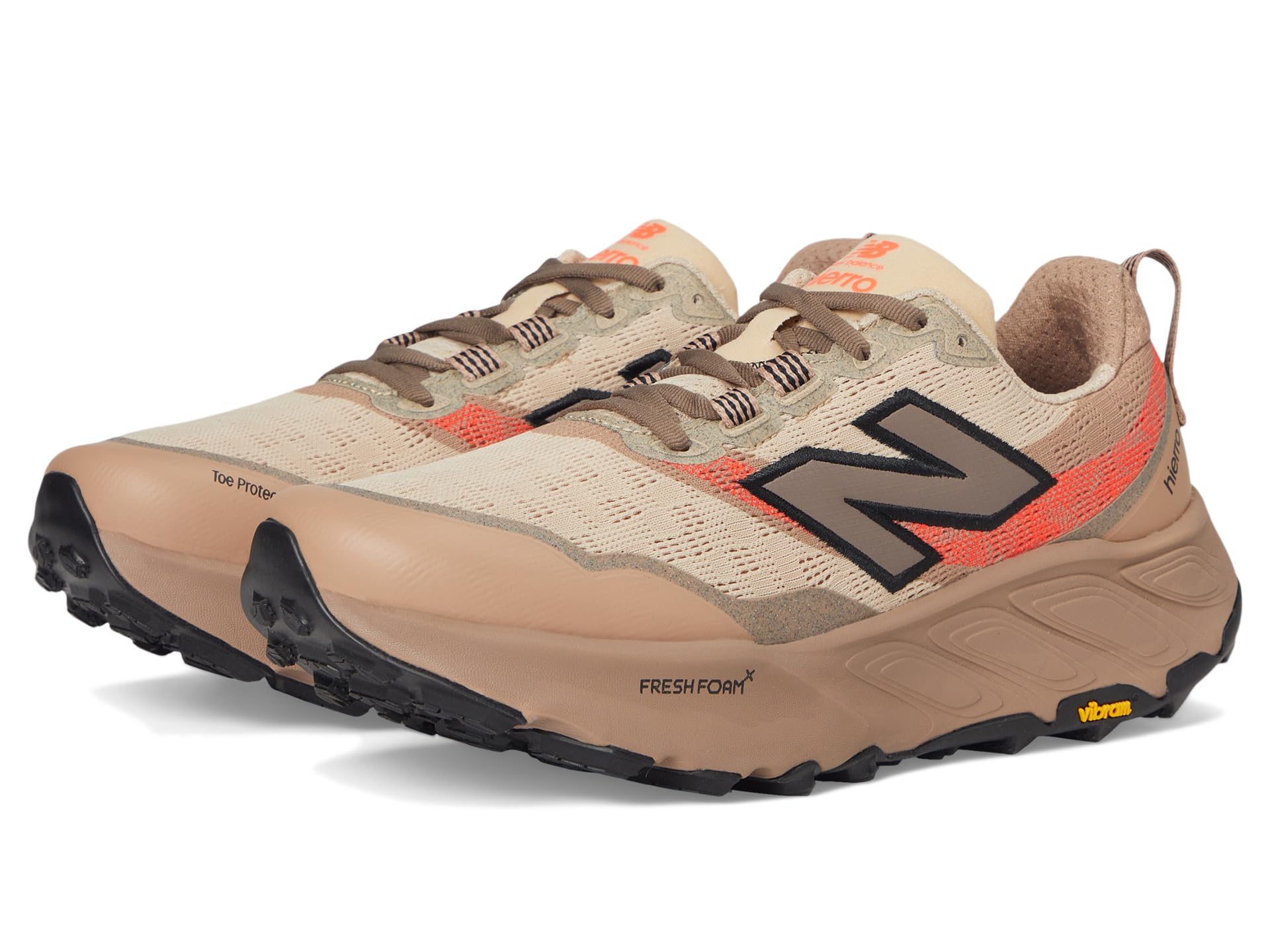
For someone whose ball of foot flares up on uneven ground, this is the most protective option on the list. The dual-density Fresh Foam X midsole pairs plush softness with a more stable base — meaning you get cushioning under the metatarsals without a wobbly, unstable feel. The Vibram Megagrip outsole uses a revamped tread pattern and deeper 6mm lugs (the rubber teeth that bite into dirt) for grip on wet and dry trails. Toe Protect technology shields the toes from rocks, roots, and debris, and the breathable knit upper with a gusseted tongue keeps grit out.
Owners love it most for hiking and daily wear — the quality and comfort show up again and again. Cushioning comes across as super soft, and people wear them on trails and around town without swapping out. The dual use is a real advantage if you want one pair for weekend hikes and weekday errands.
The fit is where you need to pay attention. Plenty of buyers find the toe box narrow, and the shoe also runs small — for a forefoot that needs room, size up and consider the wider width if you can. Traction splits opinion too: fine for most surfaces but not planted for every wearer. If your main goal is a wide, unrestricted toe box on smooth pavement, the ALTRA Solstice XT 3 gives your toes more room.
Choose it for: trail days and hikes where rocks, roots, and wet ground are the real hazard.
Size up for: a toe box that runs narrow — this shoe rewards ordering a half size larger than your street size.
3. G-DEFY MATeeM Women’s Cross Trainer Shoe
A curved rocker sole designed to roll your foot forward instead of slapping the ball of your foot flat.
This is the shoe for the woman who is on her feet all day — a nurse, a teacher, a long-shift worker — and needs the walk itself to feel easier. The VersoShock technology is built into a rocker sole, which curves so your weight rocks from heel to toe. The idea is a smoother heel-to-toe gait rather than a hard landing on the forefoot. It comes with a free orthotic, and the removable footbed means you can swap in your own if you already have one fitted.
Comfort is the headline here: buyers describe walking with virtually no pain, and relief shows up in the knees and feet. Quality and value also get consistent praise. The width choices are a real asset for a sore forefoot — you can order M for standard, W for roughly a quarter inch wider, or XW for about half an inch wider than standard.
The trade-offs are honest and specific. Sizing is inconsistent across pairs, and the shoe runs small — many advise going up half a size if you are between sizes. Some buyers find the toe box narrow even in a wide width. Getting the shoe on takes effort for some wearers, and the rocker sole needs a short learning curve — the brand suggests wearing them 1–2 hours a day for the first 3–5 days to adapt.
What it fixes: the rocker gait and free orthotic target prolonged standing and walking, which is exactly the daily grind that aggravates forefoot pressure.
What to plan around: break-in time and inconsistent sizing — order carefully and give the sole a few days to feel normal.
Best for: long days standing or walking when you want a rocker sole doing the pushing.
Look elsewhere if: you want a slip-on that goes on in one motion — this one takes a little effort.
4. Orthofeet Tilos Orthopedic Men’s Sneakers
A slip-on orthopedic sneaker with extra depth, so your own custom orthotic slides straight in.
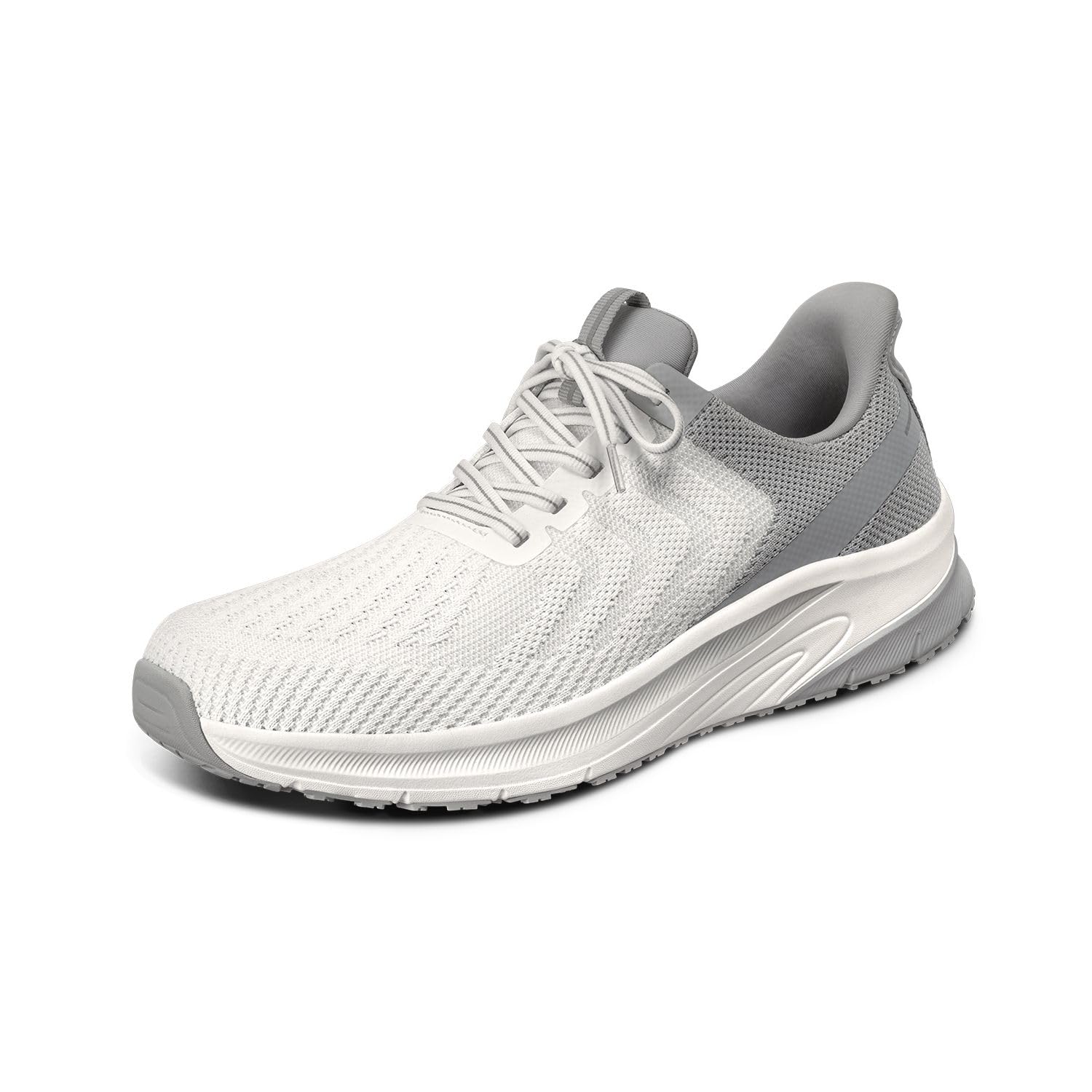
Here is the pick for the man who already owns a custom orthotic and needs a shoe that will actually house it. The Ortho-Cushion system bundles a built-in orthotic insole, a shock-absorbing sole, and a pressure-free fit. The insole is removable, and the shoe is built with extra depth — so most custom orthotics fit without crushing your foot. Many styles also include fitting spacers and an Arch Booster to fine-tune support.
Comfort and quality dominate the feedback. Owners mention relief through the whole day and praise the arch support, which is a big deal for a forefoot that has been taking too much load. The slip-on design gets repeated thumbs-up for being easy to put on and take off. That matters when a sore forefoot makes bending to tie laces a chore.
Fit is the variable to watch. Some buyers find them true to size; others find they run a size or two larger than expected. Durability splits opinion too — some pairs hold up well and some customers note they do not go beyond minimal walking. For a forefoot-friendly walker built to survive years of pavement, the Brooks Ghost Max SE has a stronger durability reputation.
Why it earns a slot: the removable insole plus extra depth is the most orthotic-friendly setup here, and the slip-on design removes a daily hassle.
The fit caution: sizing can run large, so measure your foot and read the size chart rather than assuming your usual number.
Pick this if: you have a custom orthotic and want a roomy slip-on that accommodates it.
Check the size chart first if: you are between sizes — this shoe can arrive larger than expected.
5. Brooks Men’s Ghost Max SE Walking Shoe

A soft, max-cushion walker that soaks up pavement miles with a plush feel underfoot.
If your daily routine is a long walk on hard ground, this shoe puts comfort above all else. The Ghost Max SE is a walking shoe built around maximum cushioning — that soft, pillowy layer underfoot that takes the sting out of concrete. At 3 pounds it is the heaviest shoe here. That weight buys you a built-up cushioning platform, which is exactly the trade a forefoot-friendly walker makes. The package dimensions also run larger — 14.09 x 8.43 x 5.2 inches.
Owners rate quality and durability highly. The shoe holds up to wear and tear, and buyers find it worth the cost. Comfort is the strongest point, with people describing the ride as soft and steady over long distances. It is the straightforward pick for one dependable pair of everyday walking shoes.
Fit is the one thing to nail down. Some find it true to size, while others say it runs small and narrow — a few had to go up as much as two sizes. Some report the shoe runs short. If you have a wide forefoot, order carefully and size up if you are between sizes. The ASICS SUPERBLAST 2 is about half the weight if a lighter feel matters more to you.
What you get
- Maximum cushioning that softens hard pavement under the ball of the foot
- Quality and durability that hold up to steady daily wear
- Soft, steady ride that suits long walks
What to weigh
- 3 pounds is the heaviest build on this list
- Runs small and narrow for some buyers — size up if unsure
- Less toe-box room than a wide-specific shoe
Good fit for: the everyday walker who wants maximum plush underfoot and does not mind extra weight.
Size up tool: order a half to a full size larger than you expect if your forefoot needs room.
6. ALTRA Men’s Solstice XT 3 Cross Training Shoe

A broad FootShape toe box that lets your metatarsal bones spread out instead of squeezing together.
When the pressure under your forefoot comes from narrow shoes pressing your toes together, this is the fix. Altra’s signature FootShape fit deliberately leaves room up front for the toes to move freely while keeping the midfoot secure. The zero-drop platform sits heel and forefoot level with each other. The 0 mm drop and roomy front are why runners with forefoot issues often gravitate here. An InnerFlex midsole with grid-like grooves adds flexibility so the shoe bends with your foot rather than fighting it.
Stability during dynamic movements gets consistent praise, and the A-frame quarter panel is built to handle lateral (sideways) motion. The updated mesh upper breathes, and a padded heel collar keeps the foot comfortable. At 9.5 oz it is light enough for gym work and lifting. Buyers also love how they look and how versatile they are across training and daily wear.
The catch is fit consistency. Some find the size correct and love the wide toe space; others say the shoe is tight across the top of the foot and does not stay put. Durability splits — a few report the outsole peeling. If you have never worn a zero-drop shoe, ease in gradually; your calves and feet will feel the change at first.
The forefoot argument: the FootShape box gives your toes space to splay, which is the single biggest lever for a squeezed forefoot.
The adjustment: zero drop rewires your stride — wear them in short sessions before a long day.
Go for it if: your forefoot pain comes from tight shoes and you want maximum toe room.
Hold off if: you need a traditional heel lift or have never worn zero-drop footwear.
7. ABEO MXV Shift Women’s Metatarsal Footbed Walking Shoes
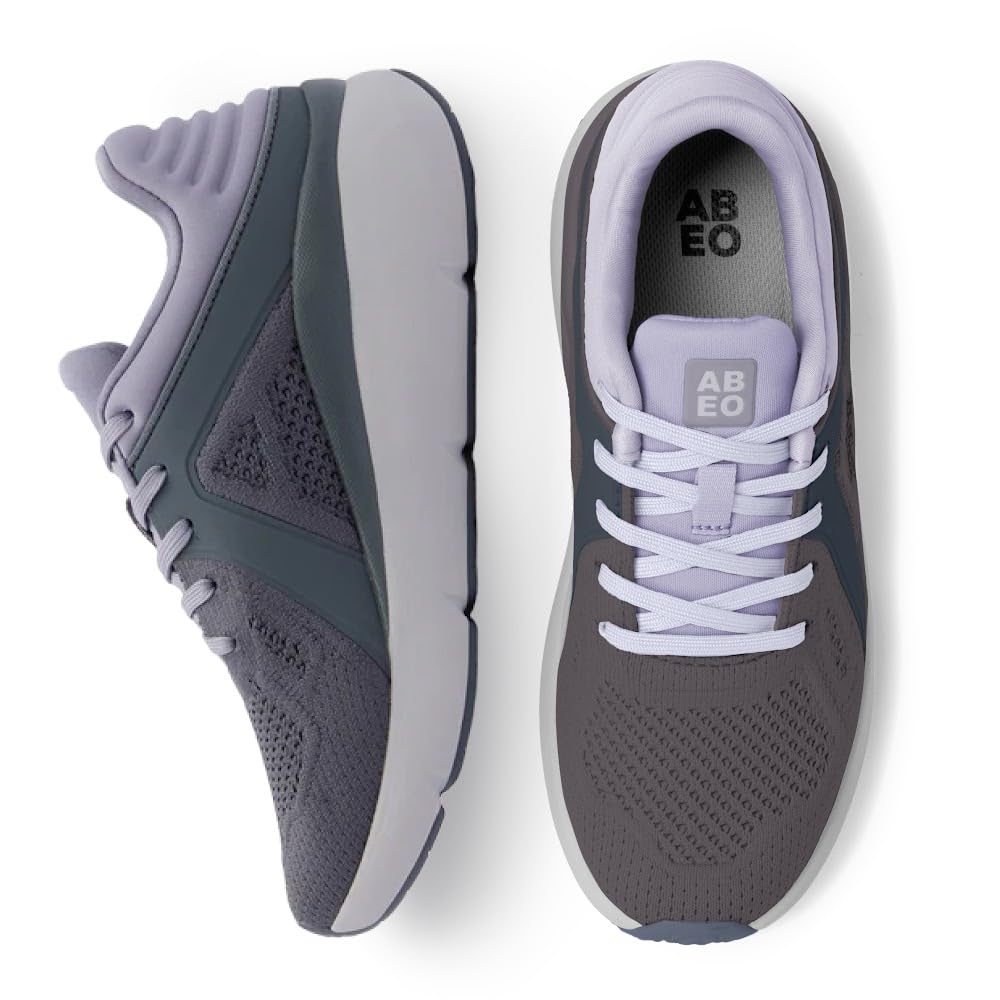
A women’s walking shoe with a metatarsal footbed built to place support right where the ball of the foot aches.
This is the one that names the problem directly. The removable orthotic footbed is designed to give arch and heel support plus cushioning right under the forefoot. The uppers are knit and TPU (a flexible, supportive synthetic), and the flexible rubber outsole adds traction and abrasion resistance. A spacer mesh midsole wicks moisture away, which matters on a long, hot walk.
Comfort is the reason buyers stick with it — many describe wearing them all day without pain under the ball of the foot. That is the exact complaint this shoe is built to address. Arch and metatarsal support get singled out as a strength. Style and durability also earn praise, and the heel support earns its own nods.
Fit is the thing to sort before you buy. Some find them true to size and good for wide feet; others say they run large and can feel uncomfortable. A few find the value disappointing relative to the price. Compared with the Brooks Ghost Max SE, this one is purpose-built for forefoot pressure rather than pure padding — a trade worth understanding.
Why it fits the brief: the metatarsal footbed targets the ball of the foot rather than scattering support everywhere, which is the point of this list.
The sizing note: some pairs run large, so measure your foot and check the size chart first.
Built for: women who want support concentrated under the ball of the foot on long walks.
Cross-check sizing if: you normally wear a wide width — feedback on fit is split.
8. Hoka Men’s Bondi 9

The deepest cushioning here, with an increased stack height that swallows impact before it reaches your forefoot.
When softness underfoot is the whole point, the Bondi 9 is the benchmark. It runs an increased stack height — meaning more cushioning between your foot and the road — and a new premium foam midsole for a soft, resilient ride. Durabrasion rubber sits in the high-wear zones to survive the miles. A 3D molded collar and structured knit upper with zonal breathability keep the foot locked in without overheating. It is a big shoe at 3 pounds, and the weight is the price of all that padding.
Support is the standout beyond comfort. Owners talk about walking pain-free, with relief showing up in knees, lower back, and mid-foot. It handles all-day walking, standing, and travel, and it is a favorite of people who are on their feet for long stretches. If maximum cushioning under the forefoot is your priority, the Bondi 9 delivers the most of it here.
Two honest caveats. Fit runs narrow for a lot of people, so a wide forefoot should size with care or look at a specifically wide model. Durability is the bigger question — some report soles breaking down faster than they would like. The ASICS SUPERBLAST 2 weighs roughly half as much if you want cushioning without the heft.
The max-softness pick: choose this if you want the deepest cushioning under a sore forefoot and do not mind a heavier shoe.
Watch the width if: your foot runs wide — this one hugs the midfoot tightly and can feel narrow.
9. On Mens Cloudmonster 2
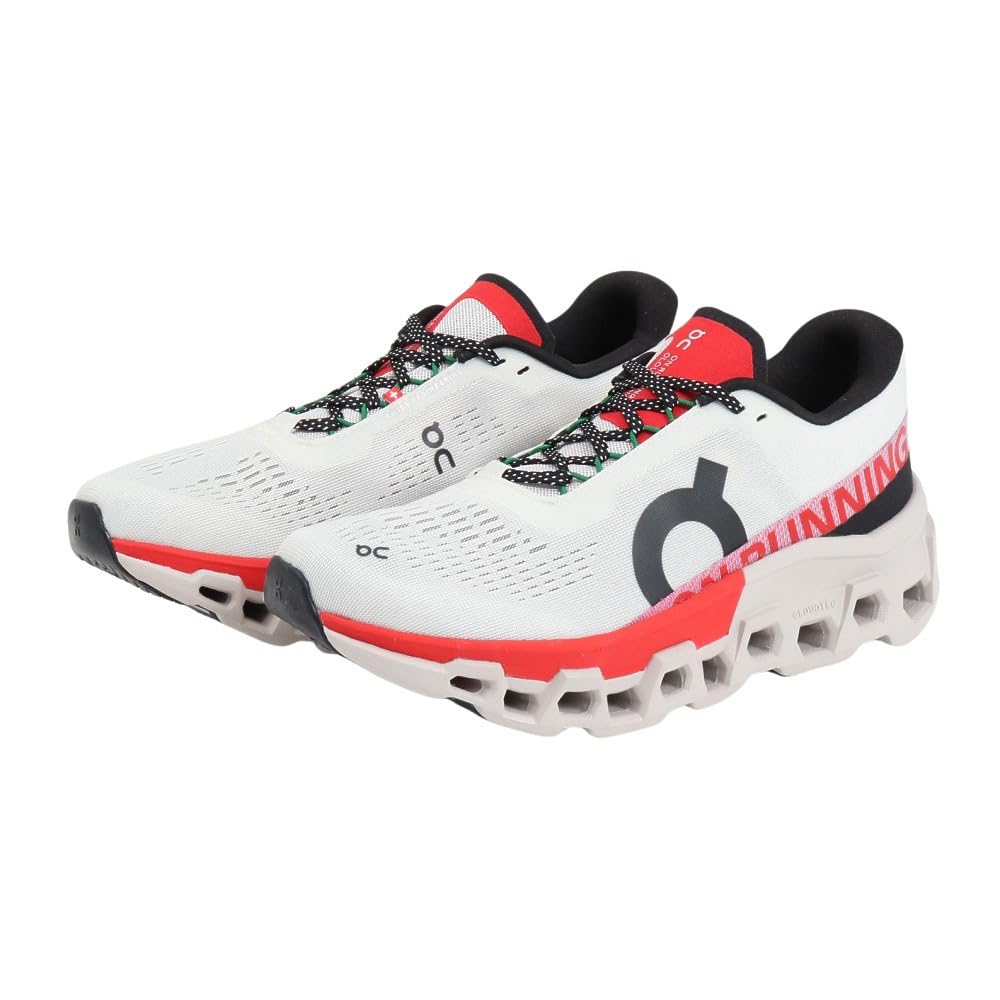
The springiest option on the list, with the brand’s biggest CloudTec for a bouncy, propulsive stride.
For the runner who wants the road to feel like a trampoline, this is the one. The Cloudmonster 2 uses the biggest-ever CloudTec (On’s signature hollow cushioning pods) for maximum cushioning and energy return with every step. The idea is simple: land on the pods, and the shoe pushes back. That springy feel can be a genuine help when you want a lighter-feeling stride on long pavement runs.
Owners describe these as exceeding expectations on quality and comfort. Style earns plenty of praise on the street, and the support suits a range of activities. If you want a running shoe that looks as sharp as it feels, this one holds its own.
Fit is the honest catch. The front of the shoe runs tight, so if your toes and metatarsals need room, go up a half size or look at the ALTRA Solstice XT 3’s wide FootShape box. Durability is also a question mark — some pairs do not last a full year of hard wear. At the heaviest price tier here, expect to treat them as a performance buy rather than a long-term workhorse.
The energy story: the oversized CloudTec pods give the most pronounced spring-back here, which is why runners chasing a lively stride pick it.
The tight-front warning: size up if you have a wide forefoot — the toe area is the weak link for a sensitive ball of foot.
Pick it when: a bouncy, energy-returning ride on pavement is what you are after.
Skip the half-size gamble if: your forefoot needs width up front — size up or choose a wide-specific shoe.
Know the Specs
Stack height and cushioning
Stack height is how much material sits between your foot and the ground. More of it means more cushioning to absorb impact before it reaches the metatarsal heads. The Hoka Bondi 9 leans on an increased stack height and a premium foam midsole for a soft ride, while the ASICS SUPERBLAST 2 uses two foams — FF BLAST PLUS and FF BLAST TURBO — to combine softness with spring-back. For a sore forefoot, the amount of cushioning under the ball of the foot matters more than the heel.
Toe box and width options
The toe box is the front section where your toes sit. A roomy one lets the metatarsal bones fan out instead of squeezing together, which is the opposite of what an irritated forefoot wants. Altra builds the Solstice XT 3 around its FootShape fit for space up front. G-DEFY offers its MATeeM in M, W, and XW widths, where W is roughly a quarter inch wider than standard and XW about half an inch wider. If your pain spikes in narrow shoes, width is the first spec to check.
Common Questions
Will a rocker sole help metatarsalgia?
Should I size up in athletic shoes for metatarsalgia?
Can I put my own custom orthotic in these shoes?
What is the difference between zero drop and a regular drop?
How do I know if a shoe has enough cushioning under the ball of my foot?
Are wide widths worth it for a sore forefoot?
How long should I wear a new pair before judging them?
Do these shoes work for long hours standing at work?
Will a lighter shoe be worse for my forefoot?
Can trail shoes like the Hierro V9 be worn on pavement?
The Bottom Line
For most people chasing relief under the ball of the foot, the ASICS SUPERBLAST 2 is the one to start with — it pairs two-foam cushioning with a light 1.44-pound build, so forefoot support does not come with extra weight. If you want the deepest padding underfoot and do not mind a heavier shoe, the Hoka Bondi 9 delivers the most cushioning here. And for women who want support placed right under the ball of the foot, the ABEO MXV Shift is built for exactly that.
Start with the shoe whose forefoot cushioning and toe-box width match your foot, then weigh weight, drop, and looks. A roomy toe box and real forefoot padding ease ball-of-foot pressure more than any style detail.
How we choose
We do not accept paid placement. Every pick is matched to a real buyer and a real use-case; we do not hands-on test units.
Sources
Specifications: manufacturer listings and product documentation. Review insights: verified customer reviews, as of November 2026. Pricing: not shown on this page (it changes often); check the current price via the retailer link.
As an Amazon Associate, My Heart Lives Here earns from qualifying purchases. This does not affect which products we feature.