Heads up: This post contains affiliate links. As an Amazon Associate I earn from qualifying purchases, at no extra cost to you. Learn more
Specs are compiled from manufacturer listings and verified buyer reviews and can change over time — please confirm the key details on the product page before buying.
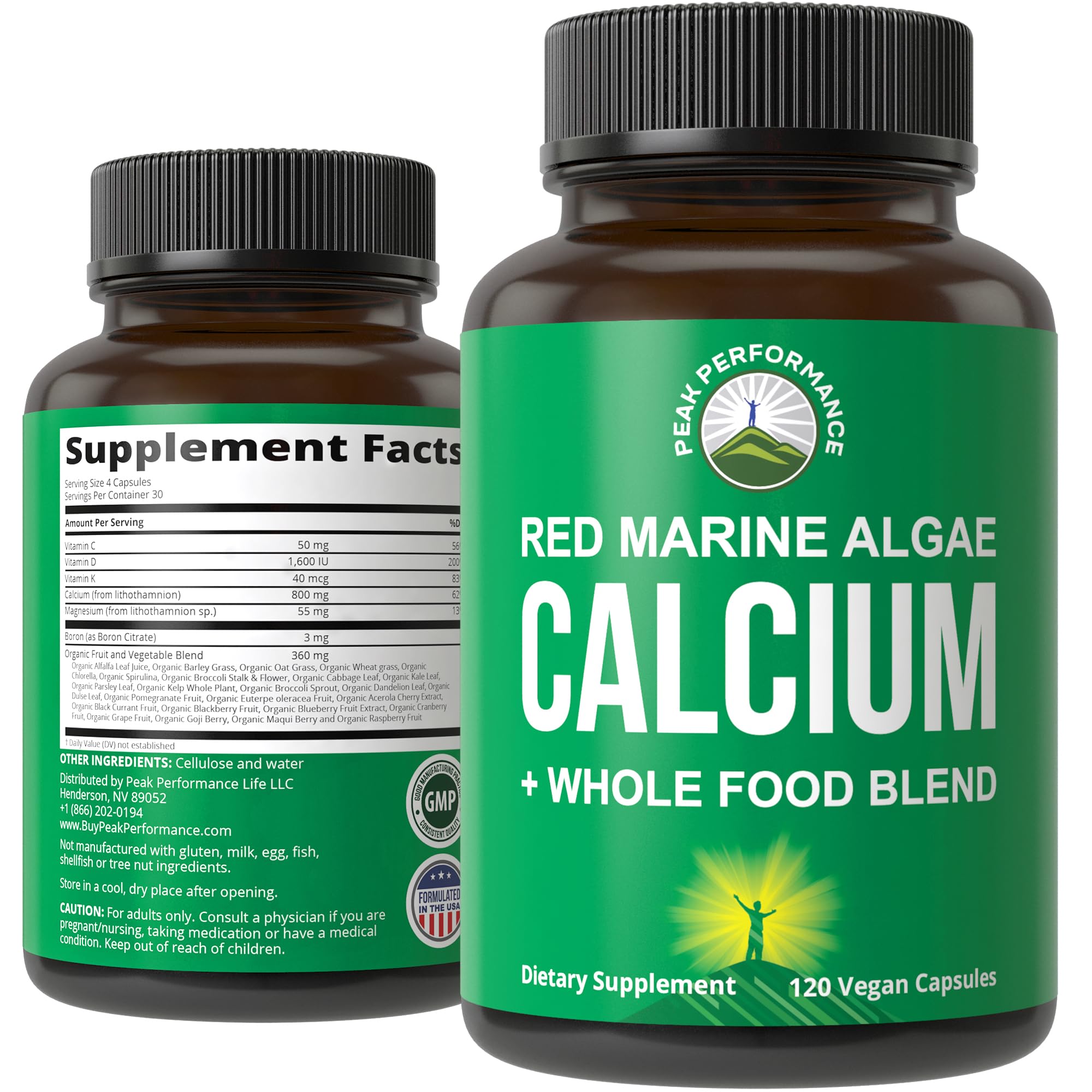
If you want a calcium supplement that comes from plants instead of crushed rock or animal bone, the Peak Performance Red Marine Algae Calcium is the one to beat. It is the strongest-reviewed pick here, and each capsule delivers calcium plus vitamin C, D3, K and magnesium. The other picks split into two camps — gummies you chew and liquid drops you squeeze — so the real choice is about how you like to take your daily dose, not about which one “works.”
This guide is built by comparing the manufacturers’ published specifications and the patterns across verified customer reviews, so you get each pick’s real strengths and trade-offs instead of marketing spin.
Below, every pick is broken down by the thing that actually decides your repeat purchase: the dose per serving, what else rides along with the calcium, and how easy it is to keep taking. Read on for a straight comparison of the best algae calcium supplement options.
Top Picks
How To Choose The Best Algae Calcium Supplement
The first thing to get straight: algae calcium is not a different mineral. It is calcium carbonate that a marine plant pulled out of seawater and stored in its structure, which is why bottles say red marine algae or Lithothamnion. What changes between products is the dose, the format, and what else is in the bottle with it. Those three things decide whether you actually stick with it.
Start with elemental calcium per serving, not capsule weight
A label that reads “500mg” is usually telling you the weight of the calcium compound, not the amount of calcium your body receives. Elemental calcium is the number that matters when you compare one bottle to another. Look for the amount per serving and the number of capsules or gummies that serving requires — a bottle that asks for two gummies to reach its dose is really half the servings it looks like.
Capsule, gummy or liquid — pick the one you will keep taking
Capsules suit people who already swallow tablets daily and want no flavor at all. Gummies win for anyone who dreads pills, but texture and sweetness vary widely and the sugar-free versions use sugar alcohols that some stomachs notice. Liquid drops are the most adjustable: you can measure a partial dose, mix it into water or tea, and skip swallowing anything solid. The best format is the one you will still reach for on a rushed morning.
Check the co-factors riding along
Calcium rarely travels alone in a good formula. Vitamin D3 helps your body take calcium in, vitamin K2 is included to direct it toward bone, and magnesium and zinc appear alongside it in many blends. None of these are required for a plain calcium supplement to be legitimate, but a bottle that already includes them saves you from buying three separate products.
Match the sourcing claim to the actual ingredient list
“Plant based” on the front label should be backed by an ingredient line that names the algae source and confirms no limestone or animal bone. Vegan, non-GMO, gluten-free and gelatin-free claims are worth checking on the back panel too, since a gummy can be plant-sourced and still contain gelatin if the maker did not formulate around it. Read the panel once before you commit to a repeat purchase.
Side-by-Side Comparison
| Model | Best For | Format | Calcium Per Serving | Co-Factors Included | Amazon |
|---|---|---|---|---|---|
| Peak Performance Red Marine Algae Calcium★ Best Overall | Most people — capsule routine | Capsules | — | Vitamin C, D3, K, Magnesium | Amazon |
| MaryRuth’s Sugar Free Calcium GummiesBest Gummy Option | Pill-dodgers who want a gummy | Gummies | 200 mg per 2 gummies | Phosphorous, Sodium | Amazon |
| 10 in 1 Liquid Mineral Drops (2 Pack) | Adjustable dosing and flavor | Liquid drops | 1000 mg per serving | C, D3, K2, B6, Zinc, Magnesium, Boron, L-Theanine, Sea Moss | Amazon |
| Plant Based Calcium 500mg (Aquamin) | Small-bottle, filler-free pick | Capsules | 500 mg | Magnesium, Zinc, D3, K2, Turmeric, Black Pepper | Amazon |
| Calcium Gummies 600mg + Magnesium, D3 K2 | Highest-dose gummy | Gummies | 600 mg | Magnesium, D3, K2 | Amazon |
Detailed Reviews
1. Peak Performance Plant Based Calcium
Our pick — 4.5+★ from 400+ verified ratings; the strongest balance of quality and price.
The bottle that made plant-sourced calcium a real alternative to limestone tablets.
You get your calcium in one swallow with no flavor: a capsule made from wild red marine algae (Lithothamnion, a sea plant that naturally contains calcium) harvested in the United Kingdom. The formula has no limestone and no animal bone. It also includes vitamin C, vitamin D3, vitamin K and magnesium, so one bottle covers the supporting nutrients instead of making you buy three products. The bottle is genuinely compact: 5.29 ounces total, and at 2.64 by 2.68 by 4.8 inches it fits in a small corner of a cabinet shelf.
What wins people over is the named algae source on a clean ingredient line, plus how gently it sits in the stomach. The algae mineral dissolves readily, so taken with food it tends to go down without stomach upset. Compared with something like the MaryRuth’s gummies, which lean on tapioca fiber and pectin to hold their shape, this is a stripped-down capsule — calcium first, extras second, no sweetener doing any of the work.
The catch is the pill itself. These are large capsules, and swallowing them is the one thing that separates the people who repurchase from the people who quietly stop. If you already struggle with big tablets, the gummy or the liquid drops lower down are the smarter route instead of fighting it every morning. On the value side, the formula throws in a 1-for-1 donation match through the maker’s partnership with the nonprofit Vitamin Angels, which is a nice-to-have rather than a reason to buy.
What earns it the top spot
- Wild red marine algae source with no limestone or animal bone in the formula
- Bundles vitamin C, D3, K and magnesium in the same capsule
- Compact 5.29-ounce bottle that stores easily
- Sits gently in the stomach — digestion is consistently the second thing people bring up
Where it asks something of you
- The capsules are large and demand a confident swallow
- No flavor, no chew — it is a pill or nothing
Made for: Anyone already comfortable swallowing capsules who wants algae-sourced calcium with the supporting vitamins built in.
Think twice if: Big pills are a daily struggle — the gummy or the drops will get taken; this one will sit in the cabinet.
2. MaryRuth’s Calcium Gummies, Sugar Free, 60 Count, Vegan
Peach, mango and apricot in a gummy that skips the sugar — and the gelatin.
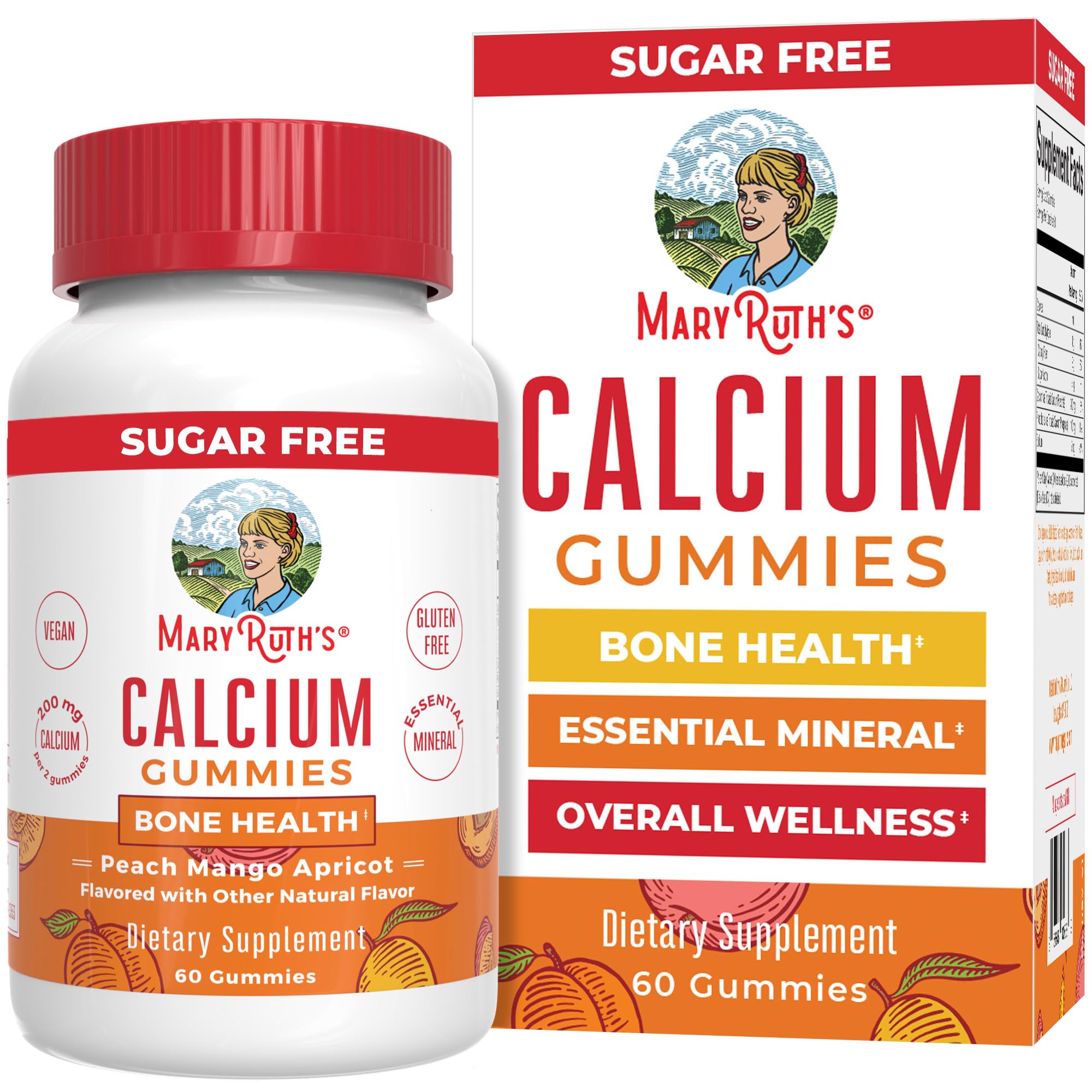
Here is the format for the person who has bought calcium tablets three times and finished none of them. Each serving is two gummies at 200 mg of calcium, and they are built on pectin rather than gelatin, which keeps them vegan. The flavor blend of peach, mango and apricot is the whole pitch — no chalk, no swallowing. MaryRuth’s sweetens with organic erythritol and organic stevia leaf extract instead of sugar, so the daily ritual does not add a spoonful of it to your day.
Know the honest numbers before you commit. Each two-gummy serving gives 200 mg of calcium, so this is a supplement dose, not a full daily calcium hit. If you track your intake carefully, you may notice that and add food sources or a second product. Texture is the other divider: a pectin gummy (made with fruit pectin instead of gelatin) is firmer, and some people find it a chore to chew, especially kids in households that bought it for them. The weight difference against the Aquamin capsules is also worth flagging: this jar is 7.4 ounces versus that bottle’s 3 ounces, and it measures 4.8 by 2.48 by 2.48 inches, so it takes up noticeably more shelf space than a capsule bottle.
Where it earns its place is consistency. People who would never take a pill will take this one daily, and a gummy you actually finish beats a capsule you abandon. The remaining formula is friendly on restrictions too: non-GMO, vegan, pectin based, no gelatin, and free of dairy, gluten, nut and soy.
Who this fits: Anyone who has a cabinet full of half-used calcium bottles and wants a format that survives breakfast. The pectin base, sugar-free sweetening and 200 mg dose make it a supplementary top-up rather than a standalone plan.
The honest limit: The chew is firm and the dose is modest — if you need a heavier daily calcium load, this jar alone will not get you there.
Reach for this if: You want a vegan, sugar-free gummy you will genuinely remember to take every day.
Look elsewhere if: You are chasing a high single-serving calcium dose or you dislike a firm chew.
3. 10 in 1 Magnesium Calcium Zinc Liquid Drops

Ten ingredients in a lemon drop you can stir into tea instead of swallowing.
Nothing else on this list packs this much into a serving. The blend runs calcium at 1000 mg, magnesium at 310 mg and zinc at 7 mg, with vitamins C, D3, K2 and B6 alongside L-Theanine, boron and sea moss extract — ten ingredients in one measured dose. It comes as a two-pack of 1-fluid-ounce dropper bottles and the daily serve is 2 ml, taken straight or stirred into water, tea, coffee or a salad. The lemon flavor is mild on purpose, and because it is a liquid you can dial the amount down rather than splitting a tablet.
The format is why it stands apart. Compared with the capsules above and the gummies below, a dropper lets you adjust the dose in small steps and skip swallowing entirely — a real advantage if pills are the reason your supplement routine keeps dying. The maker states the liquid form is more bioavailable than tablets or capsules — a manufacturer claim, not a measured result. What the ingredient list does confirm is the breadth: dairy-free, gluten-free, gelatin-free, no artificial colors or added sugar, made in GMP-certified facilities.
The recurring gripe is the dropper itself, not the liquid. When the pipette misbehaves, measuring 2 ml becomes a fumble and the bottle gets set aside. It is a small mechanical issue on an otherwise crowded formula, and worth knowing if you are the type to lose patience with packaging.
The draw: The widest ingredient spread here — calcium, magnesium, zinc, four vitamins, L-Theanine, boron and sea moss — in an adjustable liquid dose that suits anyone who avoids pills.
The friction: A dropper that occasionally fails to draw cleanly undercuts the convenience, so treat the pipette gently and keep the bottle upright.
Best for: Pill-avoiders and anyone who wants magnesium, zinc and the D3/K2 pair in one bottle without a shelf of separate products.
Skip if: You want a fixed, simple to use dose with no measuring. Capsules ask less of you at 7 a.m.
4. Plant Based Calcium 500mg
A 500 mg algae capsule with the fillers stripped out and a lab report behind it.
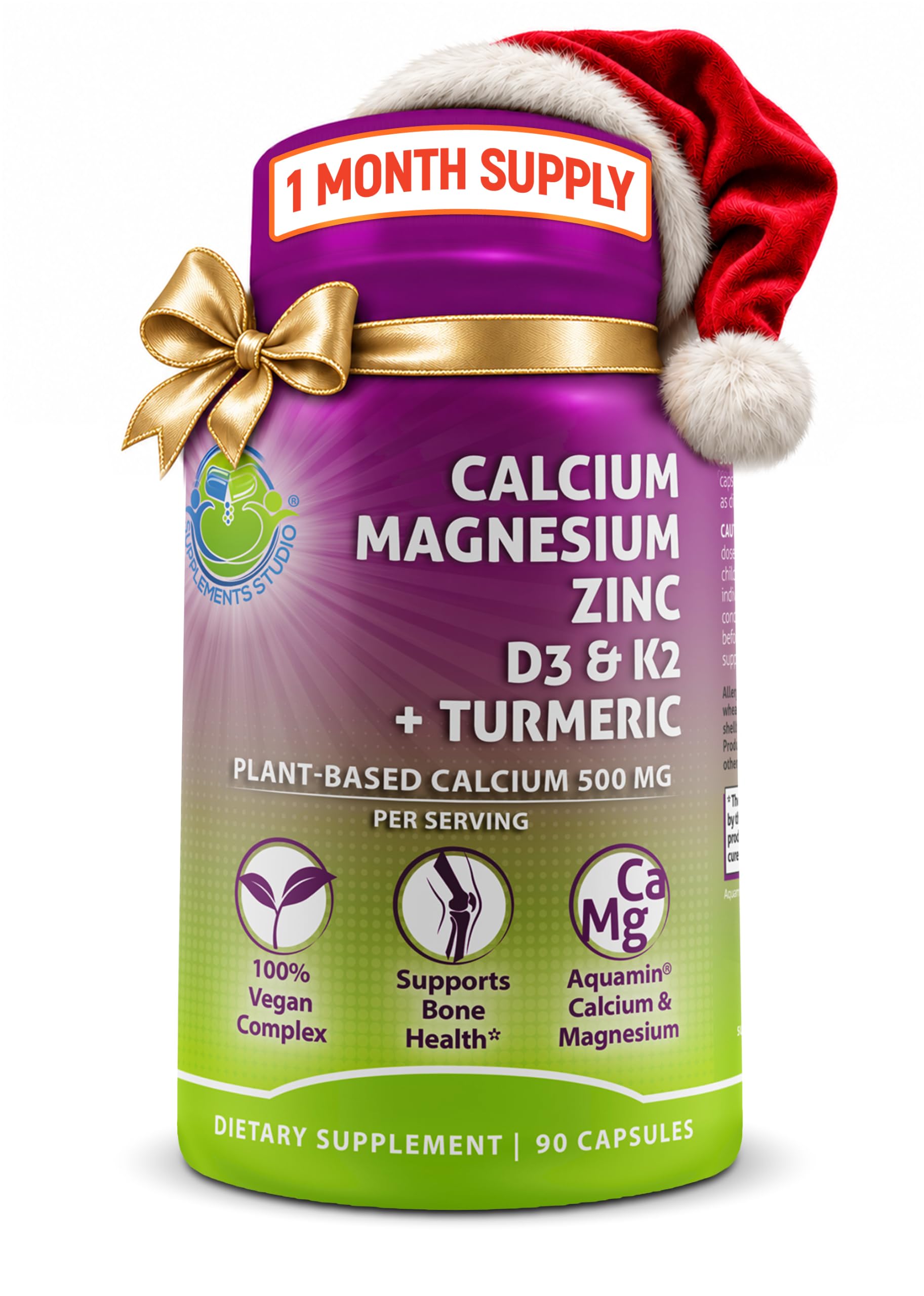
Two things define this bottle. The first is the dose: 500 mg of plant-based calcium from sustainably harvested red marine algae, sold under the Aquamin name, in a capsule rather than a gummy or a drop. The second is what is missing — no rice flour and no magnesium stearate, the two fillers most capsule makers use to bulk out a batch. The maker also states each batch is third-party lab tested for quality, purity and heavy metals, which is the kind of claim you want to see on a bottle this plain.
You get a 7-in-1 bone blend: magnesium and vitamin D3 to help absorption, zinc to support magnesium uptake, vitamin K2, turmeric, and black pepper to help your body take in the nutrients. It is made in cGMP-certified facilities (current Good Manufacturing Practice, a U.S. quality standard) in the U.S. The most striking practical fact is size. At 3 ounces and 4.21 by 2.05 by 2.01 inches, this bottle is the smallest on the list. Against the MaryRuth’s jar’s 7.4 ounces and 4.8 by 2.48 by 2.48 inches, it takes a fraction of the shelf space and slips easily into a travel bag.
The honest note is the calcium amount itself. 500 mg per serving is solid for a plant-based capsule, but people who want a heavier daily hit sometimes wish the bottle went further, and that is the one point of disagreement in an otherwise well-liked formula. Easy on the stomach is the other theme — this is the pick people reach for when other calcium products have sat badly.
Why it stands out: A 500 mg algae dose with no rice flour or magnesium stearate, turmeric and black pepper in the blend, and third-party lab testing stated on the label — all in a 3-ounce bottle.
What to weigh: If you are pushing for the highest calcium number you can get per capsule, this sits below the 600 mg gummy and the 1000 mg liquid.
Pick this one if: You read ingredient panels, want a filler-free algae capsule, and value a small bottle that travels well.
Pass if: Your priority is squeezing the largest possible calcium number into a single daily dose.
5. Calcium Gummies 600mg

The gummy that carries the heaviest calcium load of the chewable bunch.
If you want gummy convenience without a token dose, this is the one: 600 mg of calcium per two-gummy serving, with magnesium, vitamin D3 and K2 already in the jar. They are certified vegan, mango flavored, sugar free, and the maker says you can take them directly without food. No soy, no gluten, no artificial colors or flavors. Two gummies a day is the entire routine, which is what makes a jar like this stick where a seven-pill schedule would not.
Against the MaryRuth’s gummies above, the difference is dose — 600 mg here to that jar’s 200 mg per serving, so you get three times the calcium in the same two-chew habit. The trade-off is texture. Chalkiness is the split opinion on this jar; some find the chew pleasant and soft, others want it smoother. There is also a small group who notice stomach discomfort where others report none at all, which is worth watching on your first week rather than assuming.
Value is the other honest caveat. The jar is priced in the same neighborhood as the premium capsules while delivering a gummy rather than a capsule, and a share of buyers feel that. What balances it is taste — mango with no sugar is a hard thing to get right, and it is the single most consistent point of praise on this bottle.
The case for it: 600 mg of calcium with magnesium, D3 and K2 in a certified vegan, sugar-free mango gummy — the highest dose you can get in a chew on this list.
The caveat: The chew is chalkier than some expect, and a few stomachs notice it in week one — nothing that stops most people, but worth a gentle start.
Right for you if: You want gummy ease but refuse to settle for a small dose, and two chews a day sounds like a routine you will keep.
Not your pick if: You are sensitive to a chalky texture or you want capsule-level value per serving.
Know the Specs
Elemental calcium vs. compound weight
The number on the front of a calcium bottle is usually the weight of the whole calcium compound, not the calcium your body actually receives. Elemental calcium is the figure to compare, and it is listed per serving — which means you also have to check how many capsules or gummies make up one serving. A 500 mg capsule taken as one capsule delivers differently than a 600 mg gummy dose that requires two chews. Compare like for like and the labels stop being confusing.
What “algae-sourced” means on the panel
Red marine algae, or Lithothamnion, is a sea plant that draws minerals from seawater and stores them in a calcified structure. When a label says plant based or algae sourced, the ingredient line should name that marine source and confirm no limestone or animal bone. Vegan, non-GMO, gelatin-free and gluten-free claims ride alongside it, and they are worth reading on the back panel — a plant-sourced gummy can still contain gelatin if the maker did not formulate around it.
Why D3, K2 and magnesium travel with calcium
Vitamin D3 is included because it helps your body take calcium in. Vitamin K2 appears in blends to direct that calcium toward bone. Magnesium and zinc turn up in the same bottles because they support the processes calcium relies on. None of these are mandatory for a plain calcium supplement to count as legitimate, but a formula that already includes them means one bottle on the shelf instead of three.
Format decides whether you finish the bottle
Capsules suit people with an established swallow routine and no interest in flavor. Gummies work for anyone who dreads pills, though the sugar-free versions rely on sugar alcohols that some stomachs notice, and pectin-based gummies chew firmer than gelatin ones. Liquid drops are the most adjustable — you can measure a partial dose and mix it into a drink. The right format is the one you can take without a second thought.
Common Questions
Is algae calcium actually better absorbed than limestone calcium?
How many calcium gummies count as one serving?
Can I take a calcium supplement with magnesium and zinc at the same time?
Are sugar-free calcium gummies safe for daily use?
Do algae calcium supplements contain any animal products?
How should I store a calcium supplement to keep it fresh?
Can I mix the liquid calcium drops into coffee or tea?
How long does a 60-count calcium gummy bottle last?
Should I take calcium with food or on an empty stomach?
Is a 200 mg gummy enough calcium on its own?
The Bottom Line
For most people buying a plant-sourced calcium, the algae calcium supplement worth starting with is the Peak Performance Red Marine Algae Calcium. It gives you one capsule with vitamin C, D3, K and magnesium built in, and the formula names its marine source and skips limestone and animal bone. It also has the strongest owner backing of anything here: 4.5+ stars from 400+ owners. If you would rather chew than swallow, the 600 mg Calcium Gummies give you the heaviest chewable dose on the list, with magnesium, D3 and K2 included. And if you want the widest ingredient spread in an adjustable liquid — calcium, magnesium, zinc, four vitamins, L-Theanine, boron and sea moss — reach for the 10 in 1 Liquid Drops. Whichever you choose, pick the format you will actually take daily: the supplement you finish is the only one that does anything.
How we choose
We do not accept paid placement. Every pick is matched to a real buyer and a real use-case; we do not hands-on test units.
Sources
Specifications: manufacturer listings and product documentation. Review insights: verified customer reviews, as of November 2026. Pricing: not shown on this page (it changes often); check the current price via the retailer link.
As an Amazon Associate, My Heart Lives Here earns from qualifying purchases. This does not affect which products we feature.