Heads up: This post contains affiliate links. As an Amazon Associate I earn from qualifying purchases, at no extra cost to you. Learn more
Specs are compiled from manufacturer listings and verified buyer reviews and can change over time — please confirm the key details on the product page before buying.
If you are staring at a curling corner or a tile that popped loose, the fix is not more pressure — it is the right adhesive. Peel and stick tiles fail for one main reason: the floor underneath was never properly bonded or primed. The picks below cover every job, from gluing mosaic pieces into art to laying vinyl plank across a whole room.
This guide is built by comparing the manufacturers’ published specifications and the patterns across verified customer reviews, so you get each pick’s real strengths and trade-offs instead of marketing spin.
You will learn the difference between a surface glue and a primer, why cure time matters more than grab time, and how to match the formula to your floor. This breakdown of the adhesive for peel and stick tiles covers what actually holds underfoot.
Top Picks

How To Choose The Best Adhesive for Peel and Stick Tiles
The biggest mistake people make with peel and stick tiles is treating the glue as an afterthought. The adhesive is the entire floor. If it releases, the tile lifts at the corner and catches every broom you own. Before you buy, match the formula to the surface it is bonding and the environment it lives in.
Primer versus glue
A primer like a bond enhancer is a liquid latex coating that goes down before the tile. It dries to a slightly waxy layer that grabs the tile’s own adhesive far better than bare concrete or old vinyl ever will. If your subfloor is dusty, sealed, or smooth, a primer is often the difference between a tile that stays and one that slides.
Pressure-sensitive versus rigid cure
Flooring adhesives cure flexible so they move with foot traffic and temperature swings without cracking. Repair adhesives cure hard and rigid to lock one loose tile in place. Using a rigid repair glue across a whole floor can crack under movement, and using a flexible flooring glue on a single hollow tile takes longer to set than you want to wait.
Grab speed and cure time
Grab speed is how fast the glue initially holds so the tile stops moving. Cure time is how long before the bond is fully locked and you can walk on it. Some products grab in minutes but still need a full day to cure, so plan your project around the cure window, not the grab.
Surface compatibility
Check the label against your subfloor: concrete, plywood, existing vinyl, or metal all behave differently. A formula built for vinyl composition tile may not bond well to a dusty concrete slab, and a mosaic or craft glue is meant for small pieces, not a whole room of plank flooring.
Side-by-Side Comparison
| Model | Best For | Form | Full Cure Time | Container | Amazon |
|---|---|---|---|---|---|
| 1DFAUL 200g Mosaic Tile Glue★ Best Overall | Mosaic and craft projects | Liquid, Paste | 24 hours | Bottle | Amazon |
| Fix-A-Floor Squeezy Repair AdhesiveTop Performer | Loose and hollow tile repair | Liquid | 24 hours | Tube | Amazon |
| YKF Heavy Duty Tile Adhesive KitBest Value | Loose ceramic, porcelain, stone | Cream | 24 hours | Bottle | Amazon |
| Henry W.W. 12097 QT #430 | Vinyl composition and asphalt | Liquid | — | Pail | Amazon |
| FloorBond Carpet and Vinyl Tape | Peel and stick flooring install | Double Sided | Zero cure | Roll | Amazon |
| Henry W.W. H336 Bond Enhancer | Priming before peel and stick | Liquid | 3 hours dry | Bottle | Amazon |
| Pishue Removable Nano Tape | Light mounting and crafts | Acrylic | Instant hold | Roll | Amazon |
| À LA MAISON Instant Grab Adhesive | Ceiling tiles and panels | Liquid | 24 hours | Tube | Amazon |
| ROBERTS Universal Flooring Adhesive | LVT, LVP and carpet tile | Liquid | — | Can | Amazon |
Detailed Reviews
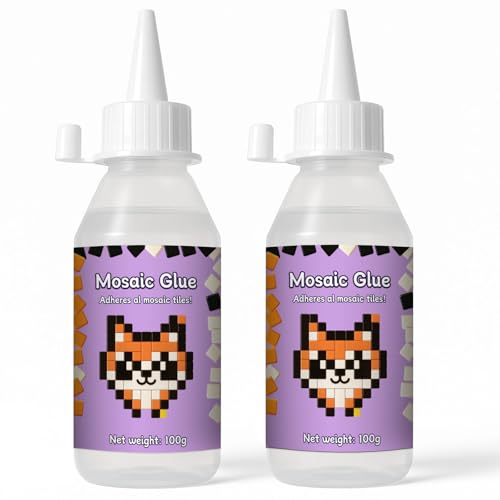
1. 1DFAUL 200g Mosaic Tile Glue Clear
Our pick — 4.5+★ from 150+ verified ratings; the strongest balance of quality and price.
The clear-drying glue that lets you nudge every piece before it locks.
If you work with small mosaic pieces, glass chips, or decorative tile art, the drying window is everything. This 1DFAUL formula stays adjustable for a short time after you set a piece, so you can slide it into line before the bond takes hold. It dries to a clear finish in about 2 hours and fully cures in 24 hours, which keeps your color work visible instead of hidden behind a milky haze.
The makeup here is built for craft and mosaic work rather than a whole floor. Waterproof and UV resistant, it holds outdoor mosaics against rain and direct sun. It cures to a permanent, impact-resistant bond that resists peeling and cracking when the base shifts. It is odorless and non-toxic, which matters when you are working at a table indoors for a few hours.
What wins people over most is the adhesiveness — it grips firmly but still releases cleanly enough to reposition and adjust. As one buyer put it, you can move pieces around after you put them down, and it stays easy to clean up. Just know that a little goes a long way, so use it sparingly; too much and it gets tacky over time and starts to gum up the nozzle.
What Earns It The Top Spot
- Clear, non-yellowing dry finish keeps mosaic colors visible.
- Adjustable for a short window — reposition pieces before the bond sets.
- Waterproof and UV resistant for outdoor and sun-exposed projects.
- Odorless and non-toxic for indoor table work.
Where It Needs Care
- Not built for large flooring jobs — this is craft and mosaic sized.
- Over-applying makes it tacky over time and gums the nozzle.
- Cure time shifts with room temperature, so watch the weather.
Grab This For: Mosaic artists, crafters, and DIY wall-art makers who need a clear, repositionable bond on glass, ceramic, or mixed materials.
The Turnoff: It is a detail glue, not a floor-laying formula, so a full-room installation is out of its range.
2. The Original Fix-A-Floor Squeezy Repair Adhesive
A squeezy tube that revives hollow, creaky tiles without pulling the floor.
This is the tool for the tile that sounds hollow when you knock on it. You drill a small hole, inject the adhesive into the void, and weight the tile while it cures. The tube is 300 grams with a precision tip, so you can work into tiny gaps without hauling out a caulk gun. The formula is a low-viscosity liquid that self-levels before it cures, so it spreads into the empty space under the tile instead of pooling in one spot.
The material is a vinyl acetate copolymer with elastomeric properties, which means it stays slightly flexible once set. That flexibility is why the maker says it can be used over under-floor heating systems. It cures in 24 hours to a permanent bond that will not dry out or crack. The maker notes it is not recommended for floating floors, so check your floor type before you drill.
The part people love is how simple the squeeze tube makes the job — as buyers report, it sits easier than the caulk-gun version with almost no spillage. One owner cleaned the joints and saturated them until no more product would absorb, weighted the tiles 24 hours, and came back to rock-solid, no replacement needed. The honest catch is consistency and leakage: it is thinner than some expect and can seep up through a damaged crack, though that wipes off before it hardens.
The Repair Case For It
- Drill-and-fill tube reaches voids without removing the tile.
- Self-levels before curing to fill hollow spots evenly.
- Elastomeric formula is flexible enough for under-floor heating.
- Precision tip adds no tools and minimal cleanup.
What To Watch
- Thinner than some buyers expect, so it can seep through damaged cracks.
- Needs a full 24 hours to cure before you walk on it.
- Not for floating floors, per the maker.
- A small tube suits small-to-medium repairs, not a whole room.
Reach For This If: You have a few noisy, hollow, or lifting tiles and want to fix them in place without ripping anything up.
Look Elsewhere If: Your floor is floating, or you are covering a large area that needs a full-spread adhesive.
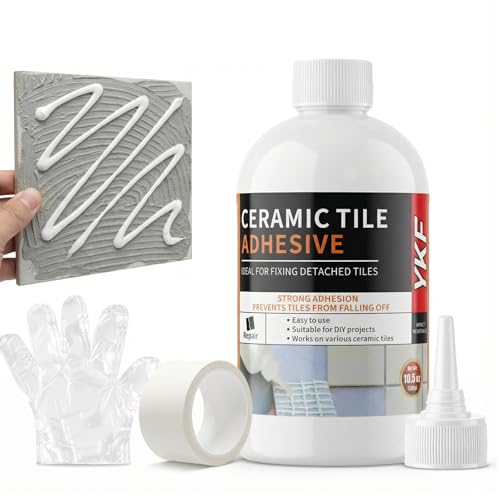
3. YKF Heavy Duty Tile Adhesive & Repair Glue Kit
The non-sag grip that holds a tile to the wall while it sets.
Ceiling and wall tiles are a different beast from floor tiles, because gravity is working against you the whole time. This YKF formula uses a “Non-Sag” consistency that holds firm on vertical surfaces instead of sliding down while you line it up. It grabs in 3 to 5 minutes with a press-and-hold, so you are not propping a tile in place for an hour. The kit ships with a precision nozzle and a pair of protective gloves.
The professional-grade acrylic polymer blend cures tough but slightly flexible, so it takes daily foot traffic without cracking. It is water resistant and stable between 40°F and 104°F, which suits humid bathrooms and kitchen backsplashes. The maker notes it is fine for shower surrounds but not for submerged spots like a swimming pool. It is a water-based product, so use it above 41°F and thaw it fully if it froze in shipping.
What owners mention most is that it simply works — it holds on poor surfaces and the consistency is neither too thick nor too runny, so tiles do not shift while drying. The one thing to know is that it dries yellow, so keep it from oozing out the sides or it can discolor the tile edge. A reviewer who reattached tiles in a fountain reported the fix still holding a month later.
Why It Lands The Value Slot
- Non-sag formula stays put on walls and ceilings.
- Grabs in 3 to 5 minutes, so the tile stops moving fast.
- Water resistant for bathrooms and backsplashes.
- Includes nozzle and gloves right in the kit.
Good To Know
- Dries yellow, so avoid over-applying near visible edges.
- Water-based — do not use below 41°F or after freezing.
- Not intended for submerged use like a pool.
Best Fit: Anyone fixing wall, backsplash, or ceiling tiles who needs the glue to stay put against gravity.
Skip If: Your tile is going underwater, or you want a clear-drying result on a visible edge.
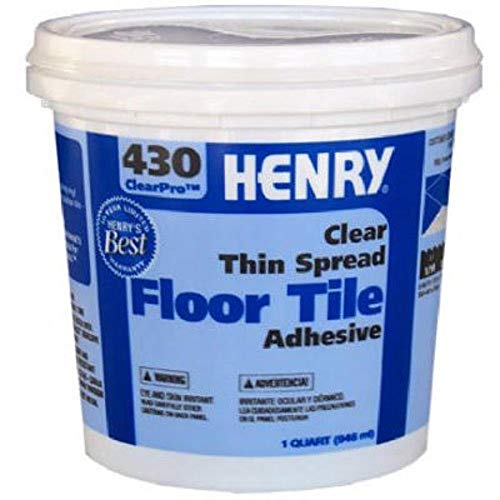
4. Henry W.W. 12097 QT #430 Tile Adhesive
An old-school pail glue for vinyl composition and asphalt tile.
This is the traditional route for vinyl composition tile and asphalt flooring — the kind of job where you spread the adhesive from a pail rather than squeeze it from a tube. It comes as a 2.2-pound quantity in a small pail, and it is a liquid formula made for vinyl composition and asphalt surfaces. The beige color and liquid form make it easy to spread and see where you have already covered.
Henry is a name that shows up constantly in flooring work, and this quart size suits small repairs and touch-ups where a full bucket would go to waste. It is made in the United States and sold as a single pail. Because the data on this product is limited, the most useful thing to know is simply who it is built for: vinyl composition and asphalt tile, not glass mosaics or flexible plank flooring.
The honest note here is that drying time is the recurring gripe — some buyers find it takes a long while to set. It is best treated as a slow, deliberate cure rather than a fast grab, so give it the time and do not rush foot traffic onto it. If you need speed, the faster-drying repair and tape options above are a better match.
Who It Suits: A straightforward pail adhesive for vinyl composition and asphalt tile, in a small size that makes sense for repair jobs instead of full installs.
Made For: Traditional vinyl composition and asphalt tile work where a pail formula is what you want.
Think Twice If: You need a fast set or you are working with mosaic, glass, or flexible plank flooring.
5. FloorBond Heavy Duty Carpet and Vinyl Tape

Zero cure time, zero mess — peel, press, and the floor is down.
If you want peel and stick flooring installed the same afternoon with no open glue and no drying window, this is the shortcut. FloorBond is a double-sided acrylic tape rather than a liquid, so there is nothing to spread, nothing to cure, and nothing to clean up. Each roll runs 50 feet and is 1.89 inches wide, which covers a wide path for larger projects. You peel the backing, press the tape down, and set your tile or carpet on top.
The bond is pressure-sensitive and permanent — the maker rates the bond for over 30 years and builds it for permanent installs, not rugs or temporary use. It is weatherproof and waterproof, so it handles basements, garages, patios, and outdoor areas where humidity and heat would wreck an ordinary tape. It is engineered to bond flexible flooring to wood, concrete, or tile substrates.
What people rave about is the adhesion — it sticks hard, and owners specifically call out how well it holds to a concrete garage floor. It is a favorite for peel and stick tile jobs and even lifting LVP into place. If anything, plan your layout carefully first, because this is a permanent stick, not a repositionable one.
What Makes It Fast
- No curing time — install the same day you tape.
- Double-sided acrylic bond holds carpet tiles, vinyl, rubber gym tiles, and artificial grass.
- Weatherproof and waterproof for garages and patios.
- 50-foot by 1.89-inch roll covers a wide path.
The Fine Print
- Permanent hold — not repositionable once pressed.
- Not intended for rugs or temporary flooring.
- Needs a clean, dry substrate for the strongest grip.
Choose This When: You want a fast, tool-free peel and stick installation on carpet tile, vinyl, or rubber gym flooring.
Not Your Match If: You like to reposition tiles as you go, since this bond is meant to stay put permanently.
6. Henry W.W. H336 Bond Enhancer

The primer that makes peel and stick tiles actually want to stay.
This is not an adhesive in the traditional sense — it is a liquid latex primer you roll or brush on before laying peel and stick flooring. On its own, a tile’s sticky backing often cannot grip a dusty concrete slab or smooth subfloor. The H336 lays down a slightly waxy layer that gives the tile something to bite into. It dries in 3 hours, covers 100 square feet per the spec, and is a matte finish. It is a 32-fluid-ounce bottle and is rated waterproof and indoor.
Owners describe it as having a watery, milk-like consistency that goes further than expected. It works on both vinyl tile and plank flooring, and one retired grandmother laid six-inch peel and stick vinyl boards alone in a day. The typical routine is two coats: one that dries around four hours and a second around three, then tile while the surface has just enough tack. As one buyer summed it up: it “goes further than you think.”
The trade-off is the smell. It is a strong odor that fades quickly but demands an open window during application. One three-star note found it did not seal the edges down even with a roller, so it is a prep layer, not a corner fixer — the tile itself still has to press fully into the adhesive sides.
The Prep Payoff: Two coats turn a slick or dusty subfloor into a surface grabby enough that peel and stick tiles stay put for good.
Buy This To: Prime a subfloor before a peel and stick installation, especially over concrete or existing vinyl.
Know First: It smells strong while wet, so ventilate the room and let each coat fully dry before tiling.
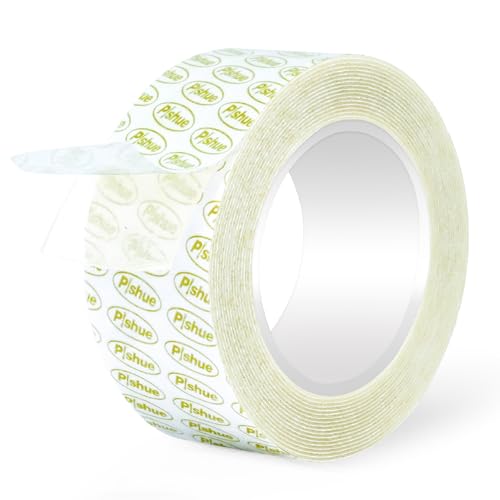
7. Pishue Removable Nano Tape
A clear, removable tape for the light jobs glue would ruin.
Nano tape is the quiet workhorse of small stick-down jobs — wall art, decals, hooks, posters, rugs, and craft pieces. This Pishue roll runs 16.5 feet and carries a listed load capacity of up to 6 pounds based on a one-inch by one-inch sample, so it holds small anchors rather than heavy shelving. It is a clear acrylic tape with a 0.04-millimeter thickness, so it stays out of sight behind whatever you mount.
The design leans on damage-free removal: pull the top of the tape straight down toward the floor and it releases without leaving holes, marks, or residue. It is water resistant, so humid bathrooms and kitchens do not defeat it, and it holds up outdoors too. To get the full grip, the maker says to hold it for 30 seconds after pressing to fully activate the adhesive.
The strong suit is how hard it holds for a removable tape — customers note it kept a towel rack on the wall through shower humidity and heat, outlasting a well-known brand that failed twice. A caveat worth knowing: on painted walls it can be so sticky it lifts paint or plaster on removal, so keep it on solid surfaces or paint you are willing to touch up. Cleaning the surface with rubbing alcohol first makes the difference.
Where It Shines
- Clear acrylic stays invisible behind mounted items.
- Removable by pulling straight down, with no holes or residue.
- Water resistant for bathrooms, kitchens, and outdoor use.
- 16.5-foot roll lasts through many small projects.
Keep In Mind
- Up to 6 lbs per square-inch sample, so it is for light loads.
- Can lift paint or plaster off painted walls when removed.
- Needs a clean, dry surface and a 30-second press to grip fully.
Perfect For: Renters and crafters who need a removable, invisible hold for decor, hooks, and light mounting.
Wrong Tool If: You are hanging something heavy, or mounting to freshly painted walls you cannot afford to mark.
8. À LA MAISON Instant Grab Adhesive (4-Pack)

Instant grab for ceiling tiles and panels that refuse to stay up.
Ceiling work is where most adhesives fall down — literally. This À LA MAISON formula is built for ceiling tile, wall panel, and crown molding jobs, and the whole point is the grab: it bonds fast so you are not holding a panel overhead while it sets. It applies with a standard caulking gun and comes as a four-pack of tubes weighing 4.4 pounds total. It is white, paintable, and designed to handle heat and water.
The compatible materials are wide — wood, drywall, tile, metal, ceramic, and concrete — and it works both indoors and out. It cures in 24 hours and is rated self-leveling. Note that you do need a caulking gun to apply it; the product does not come with one, which is a step some buyers overlook until they open the box.
What owners talk about most is that quick grab — the panels stay up immediately, so you do not have to hold them for long. One buyer glued PVC panels to a bathroom ceiling and said the panels were not coming down. Another put foam tiles over a popcorn ceiling and found it easy to use and holding well. The honest trade-off: adhesiveness is the split point in feedback — many find it holds beautifully while a few report it did not stick for them, and results track closely with how well the surface was prepped and whether a caulk gun was used properly.
Built For Overhead Jobs
- Fast grab holds ceiling tiles and panels up while they set.
- Bonds wood, drywall, tile, metal, ceramic, and concrete.
- Water and heat resistant for indoor and outdoor use.
- Paintable for a finished look; self-leveling formula.
Watch These Points
- Requires a caulking gun, which is not included.
- Adhesiveness is split in feedback — results depend on surface prep.
- 4.4-pound four-pack is more than a small fix needs.
Pick This For: Ceiling tile, PVC panel, and crown molding projects where you need the piece to grip instantly and stay.
Plan Ahead If: You do not own a caulking gun, or you are only fixing one small edge rather than a whole surface.
9. ROBERTS Universal Resilient Flooring Adhesive

A one-gallon bucket sized for laying vinyl plank across a whole room.
When the job is a full floor rather than a single tile, you need a real spread adhesive, and this is that product. ROBERTS makes a one-gallon, off-white, acrylic latex formula that is solvent-free and pressure-sensitive, so it goes down with high initial strength. It is built for luxury vinyl tile, luxury vinyl plank, vinyl composition tile, vinyl sheet goods, and vinyl-backed carpet tile. The pail weighs 8.4 pounds.
The substrate list is the practical part: it bonds to properly prepared concrete, flooring-grade APA rated plywood, steel, marble, terrazzo, and existing well-bonded vinyl tile, though not self-stick tile. It also handles radiant heated subfloors as long as the surface temperature does not exceed 85 degrees Fahrenheit. Microban protection fights stain growth that degrades the adhesive over time. It can be used in indoor residential and commercial settings.
Owners describe a long working time — you can trowel it, wait for it to go tacky, and lay vinyl in small sections over several days. It dries clear, so your chalk lines stay visible while you work. One buyer laid LVP in a trailer in sections and used kettlebells as weights instead of a roller, and was happy with the result. The recurring notes are practical: a pail can leak in shipping, and once it dries it is nearly impossible to remove, so clean spills and tools with water while it is still wet.
Why It Wins On Big Jobs: A gallon of pressure-sensitive adhesive with a long working time lets you set vinyl plank across an entire room without rushing.
Handle With Purpose: It sets to a strong, clear hold, so mask your edges and keep a wet rag handy — cleanup is easy only before it cures.
Built For: Homeowners laying LVT, LVP, or vinyl-backed carpet tile across a full floor who want a pro-style spread adhesive.
Steer Clear If: You only need to fix one loose tile, or your subfloor is self-stick tile, which this formula does not bond to.
Know the Specs
Full Cure Time
Full cure time is how long the adhesive takes to reach its final locked bond after you apply it. A 24-hour cure is common in repair and craft formulas, meaning the tile grabs quickly but should not face full foot traffic until the next day. Temperature changes this — a cold room slows the cure, a warm one speeds it. The 1DFAUL glue dries clear in about 2 hours and fully cures in 24 hours, while the FloorBond tape has no cure time at all because it sticks on contact.
Container and Form
Container type decides how you apply the product and how big a job it handles. A bottle with a precision tip suits small repairs and mosaic work, a tube or caulking-gun cartridge suits ceilings and panel jobs, a roll of tape covers fast tool-free installs, and a pail or can is sized for spreading across a whole floor. The ROBERTS adhesive arrives as a 1-gallon can, while the Pishue nano tape is a 16.5-foot roll — two very different tools for two very different jobs.
Compatible Materials
Compatible material tells you what surface the adhesive will actually bond to, which is the first thing to check before buying. Some formulas are made for vinyl composition and asphalt, others for ceramic, porcelain, stone, marble, or metal, and craft glues are built for glass and mixed mosaic pieces. Match this list to your subfloor and tile: a formula made for vinyl composition tile may not grip a dusty concrete slab, and a mosaic glue is not meant to cover a room.
Grab Speed Versus Working Time
These two work in opposite directions and it helps to know which one your project needs. Grab speed is how fast the adhesive holds the tile still — the YKF formula grabs in 3 to 5 minutes with a press-and-hold, and the À LA MAISON ceiling adhesive grabs instantly so you do not have to hold panels overhead. Working time is how long you can adjust before it sets — the ROBERTS flooring adhesive gives you a long, tacky window so you can lay vinyl in small sections.
Common Questions
Do I need a primer before laying peel and stick tiles?
How long before I can walk on tiles after using tile adhesive?
Can I use double sided tape instead of glue for peel and stick flooring?
What is the difference between a repair adhesive and a flooring adhesive?
Will tile adhesive work on a bathroom wall or backsplash?
How much adhesive do I need for a box of carpet tiles?
Can I use mosaic glue to stick tiles to a wall?
Does tile adhesive dry clear or leave a color?
Is tile adhesive safe to use indoors?
Can I use tile adhesive over under floor heating?
The Bottom Line
For most small repairs and craft work, the adhesive for peel and stick tiles winner is the 1DFAUL 200g Mosaic Tile Glue because it dries clear, stays adjustable for a moment so you can line pieces up, and resists water and UV light. If your problem is a hollow, creaky floor tile, grab the Fix-A-Floor Squeezy Repair Adhesive and fix it in place without pulling the tile. And for priming a whole subfloor before a peel and stick install, the Henry H336 Bond Enhancer is the prep step that makes the difference. For a full-room vinyl plank lay, the ROBERTS Universal Flooring Adhesive is the one spread-and-go pick. Whichever you choose, prep the surface first — a clean, primed floor does more for staying power than any single glue.
How we choose
We do not accept paid placement. Every pick is matched to a real buyer and a real use-case; we do not hands-on test units.
Sources
Specifications: manufacturer listings and product documentation. Review insights: verified customer reviews, as of October 2026. Pricing: not shown on this page (it changes often); check the current price via the retailer link.
As an Amazon Associate, My Heart Lives Here earns from qualifying purchases. This does not affect which products we feature.